10-Day Chile Itinerary
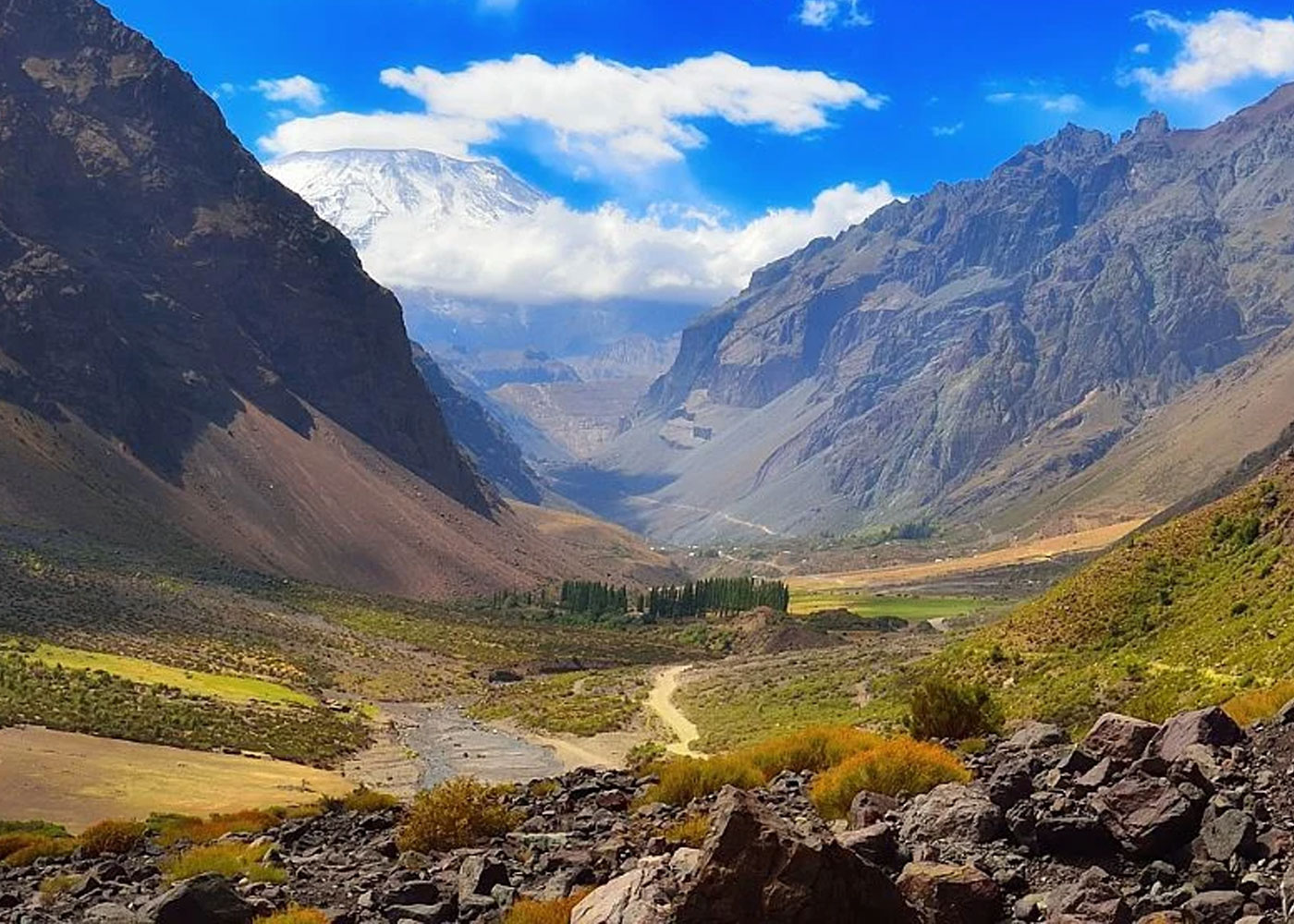
A compact first itinerary between city, coast and desert, with relatively simple transfers and enough time to settle into the country's pace.
Santiago, Valparaíso and Atacama →

From Santiago to the Atacama Desert, from Chilean Patagonia to Rapa Nui: a complete guide to help you decide when to go, what to see, how many days you need, and how to build a tailor-made trip to Chile.
Travel local, live responsibly — no filters, no intermediaries

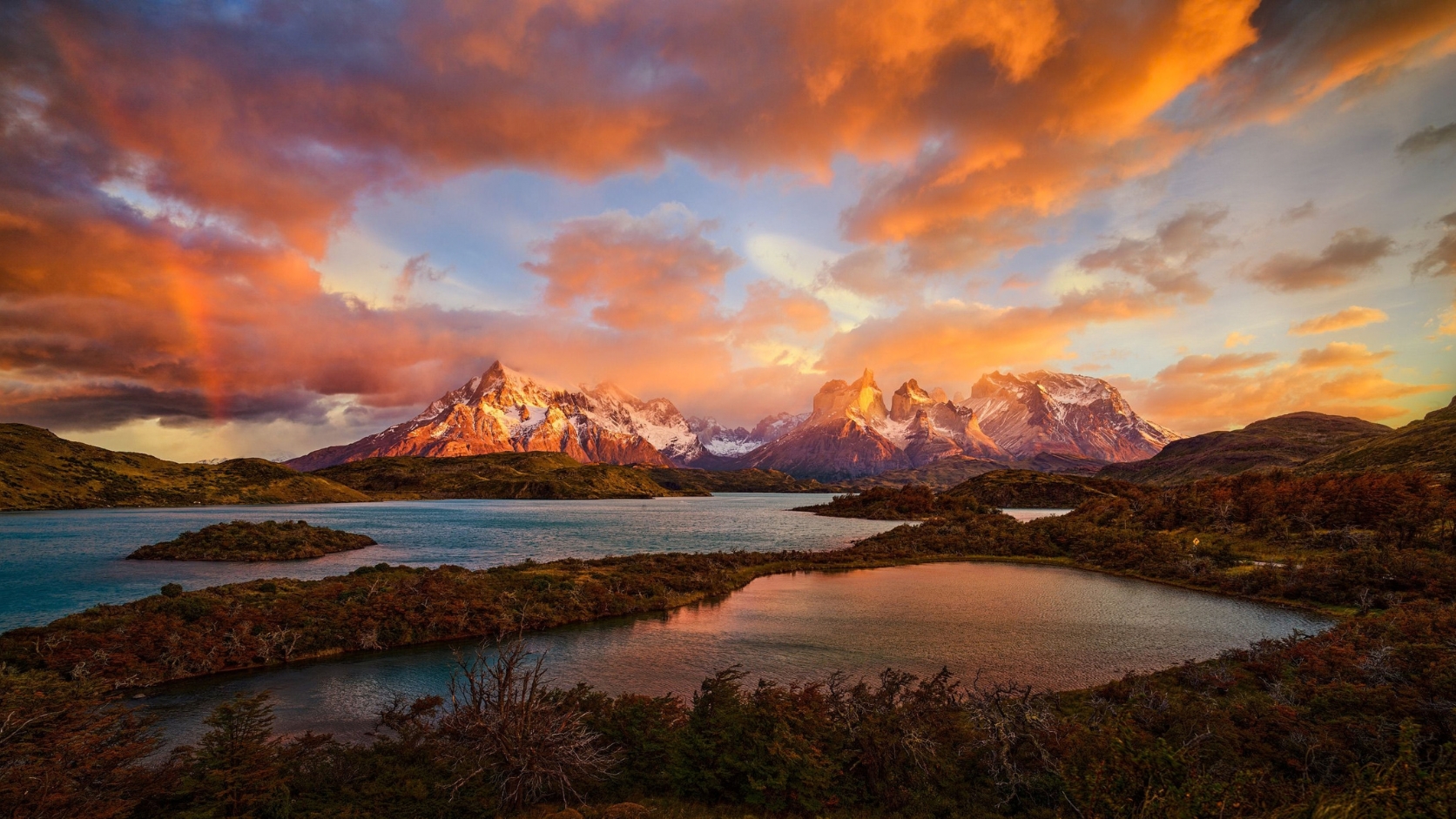
A trip to Chile works when it connects landscapes, culture and logistics. The country stretches over 4,000 kilometers: desert, Pacific coast, the Andes, colorful cities, vineyards, volcanoes, glaciers and islands coexist along an extremely long stretch of land, which is exactly why the distances and changes in altitude or climate make it important to choose a few areas and give them the right amount of time.
This page is a general guide: it helps you find your way among destinations, seasons, costs and itineraries, while the detailed pages dive deeper into each topic.
Learn more about what to see in Chile →Chile isn't best experienced by stacking too many stops. The best choice comes from the days you have available, the season, your interests and the pace you want.
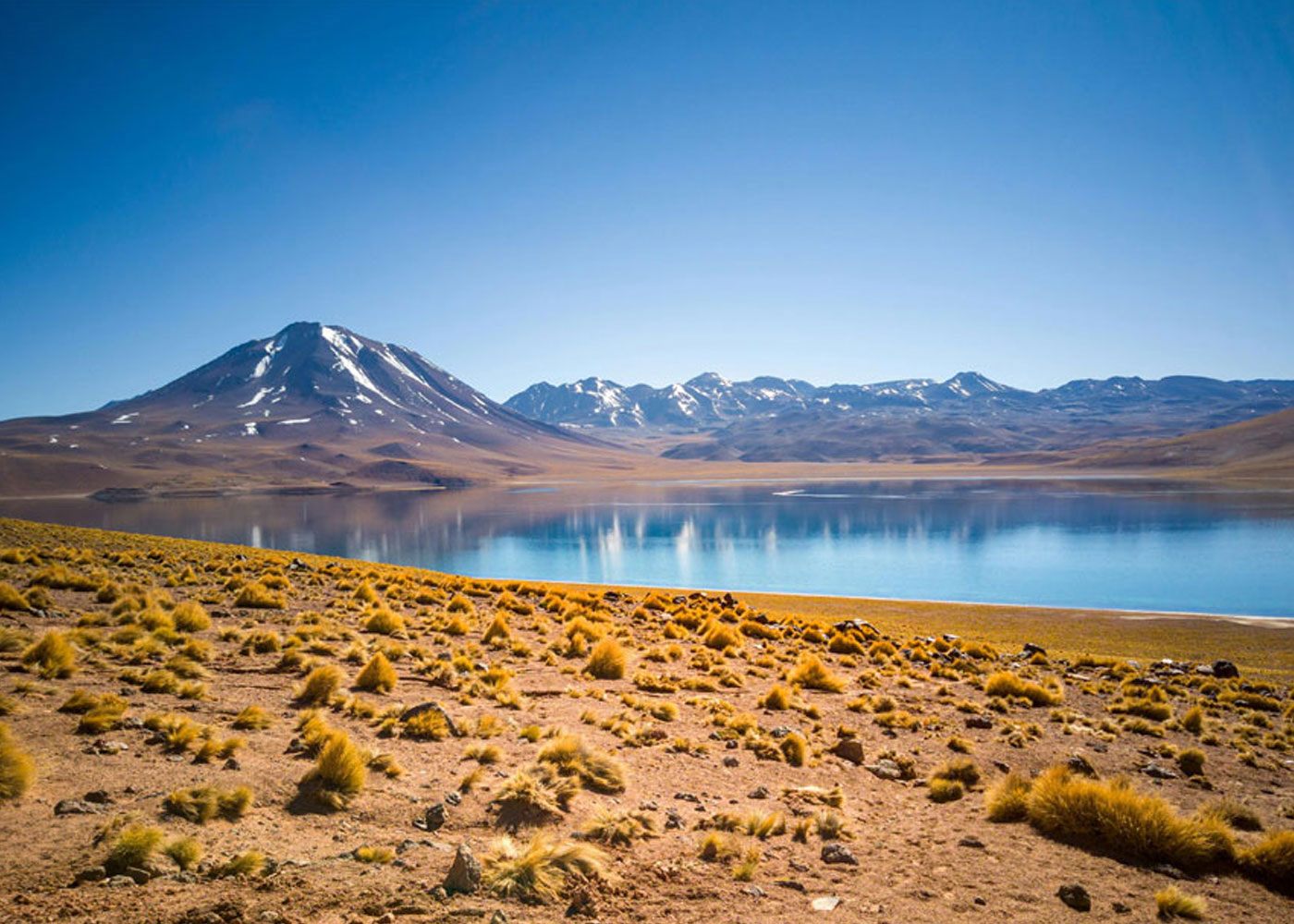
A compact first itinerary between city, coast and desert, with relatively simple transfers and enough time to settle into the country's pace.
Santiago, Valparaíso and Atacama →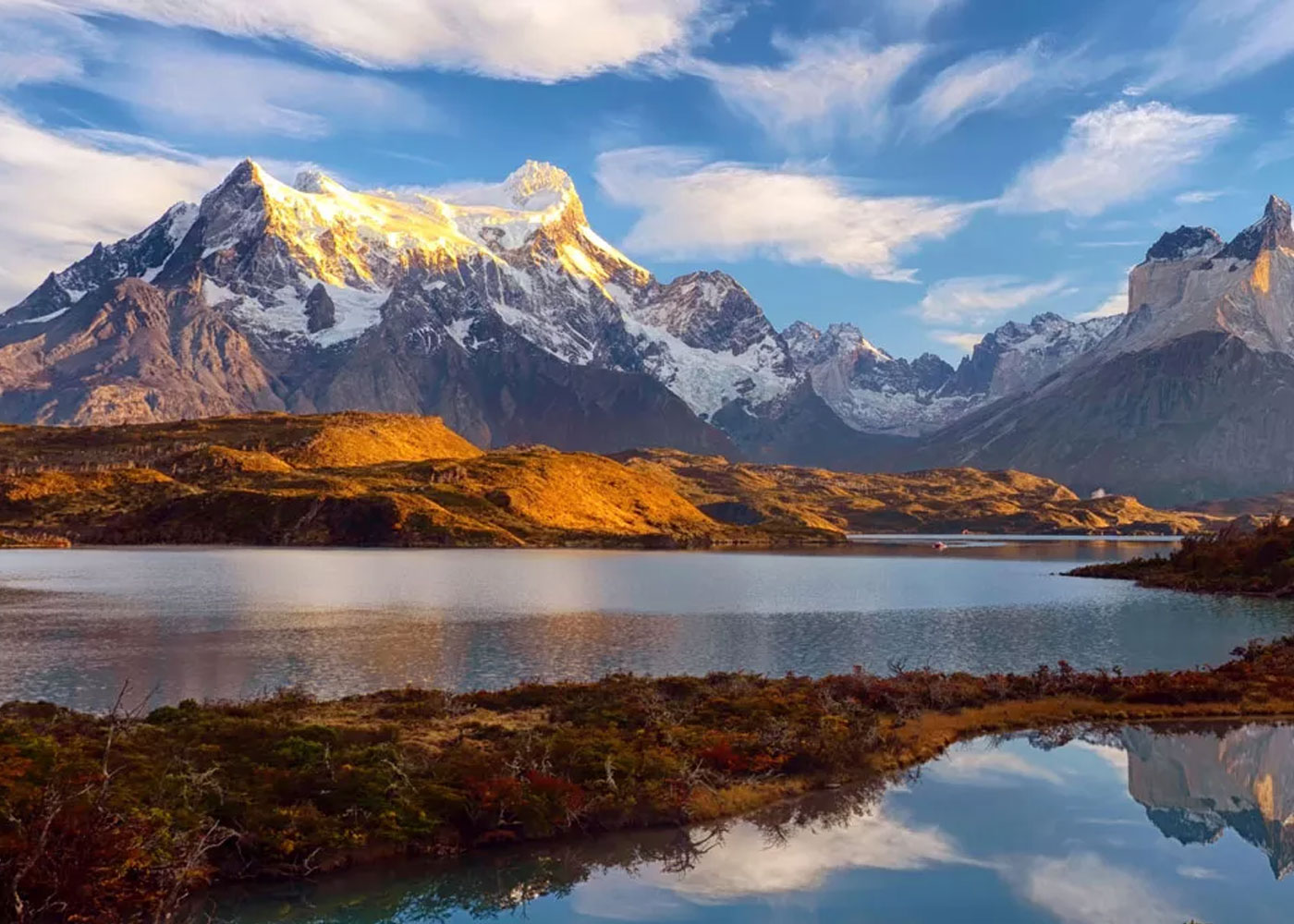
Two very different regions for a more complete trip, to be connected carefully around flights, altitude and seasonality.
Atacama and Chilean Patagonia →
With more days you can add a third region without turning the trip into a sequence of transfers.
Add Rapa Nui, the Lake District or the Carretera Austral →Use this table as a first compass: each region has a distinct identity, a best season and a different level of logistical complexity.
Chile spans desert, mountains, central valleys, lakes, islands and Patagonia, so conditions vary enormously across the country. Patagonia and the south are easiest between October and March; Santiago, Valparaíso and the central region are very pleasant in spring and autumn; Atacama and the north can be visited year-round, with colder nights in winter.
For a first trip, October, November, March and April are often months worth considering carefully. The final choice depends on the regions included and the planned activities.
Read the month-by-month guide →
Southern spring: great for Santiago, the wine valleys, Atacama and the first trips heading south.
High season for Chilean Patagonia, trekking, Torres del Paine and Chiloé.
Scenic autumn, fewer crowds and good photo opportunities.
Ideal for the north, Santiago and snow on the Andes; less suited to classic Chilean Patagonia.
The most important regions to consider. Each destination has a dedicated page with itineraries, practical tips and the best time to visit.

The country's gateway, a logistical base and a city to experience through historic neighborhoods, markets, museums and the Andes in the background.
What to see in Santiago →
Colorful houses, murals, stairways and historic funiculars on the Pacific: one of Chile's most recognizable cities.
Valparaíso guide →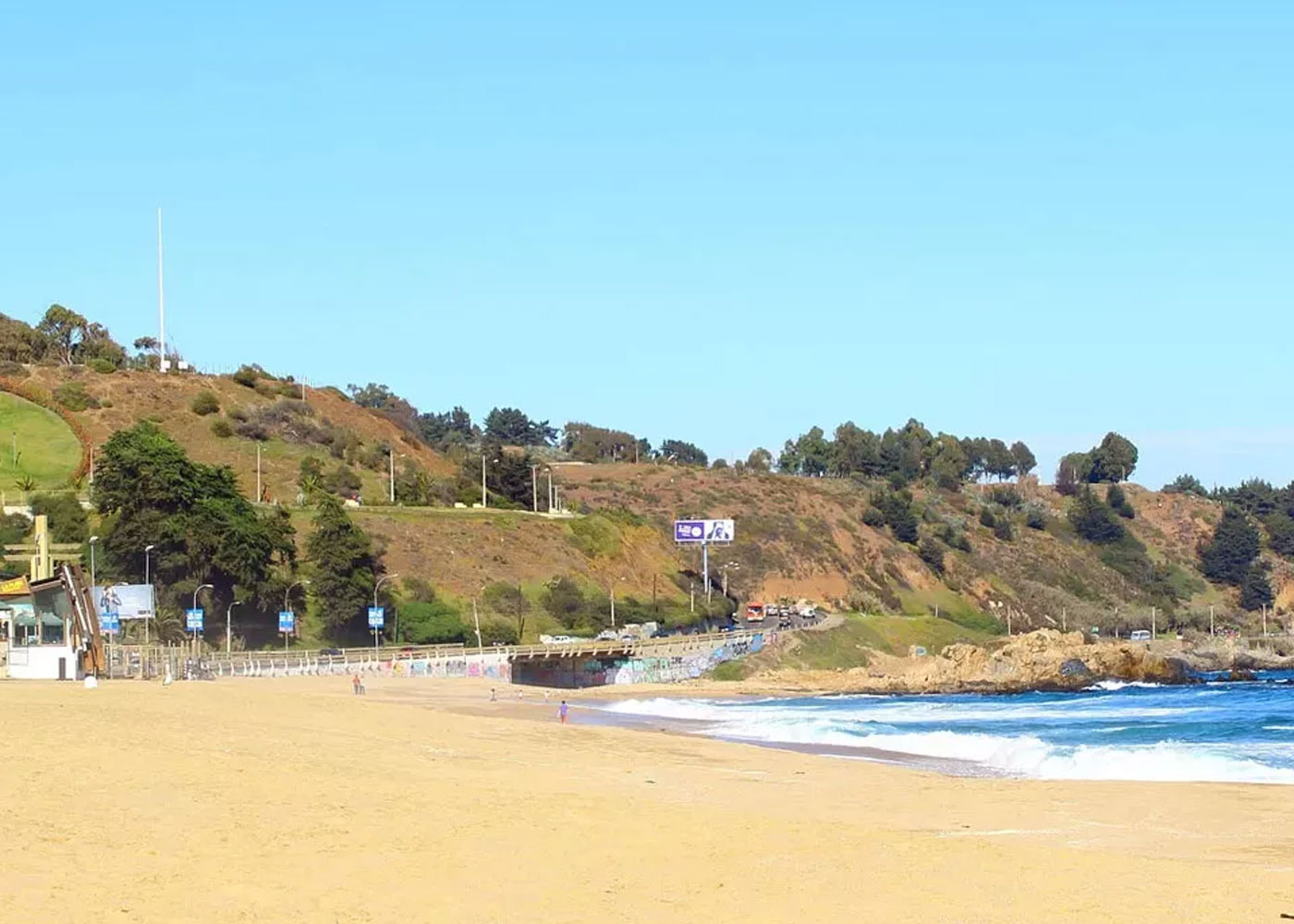
Beaches and a seaside pace just minutes from Valparaíso: the ideal complement to a coastal stop.
Viña del Mar guide →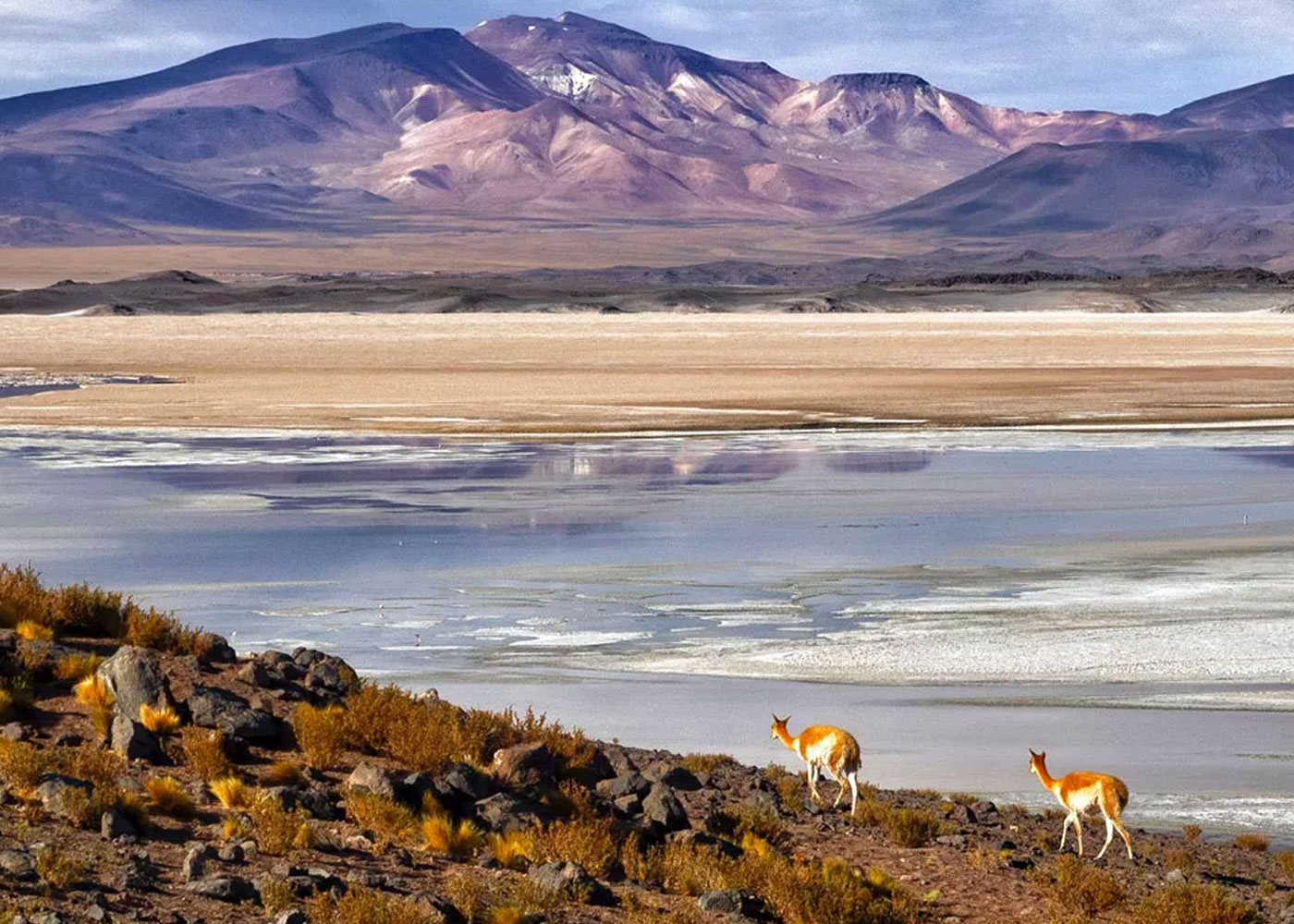
Valle de la Luna, the Tatio geysers, altiplano lagoons and star-filled skies. An iconic stop, best experienced at a gradual pace.
Atacama Desert guide →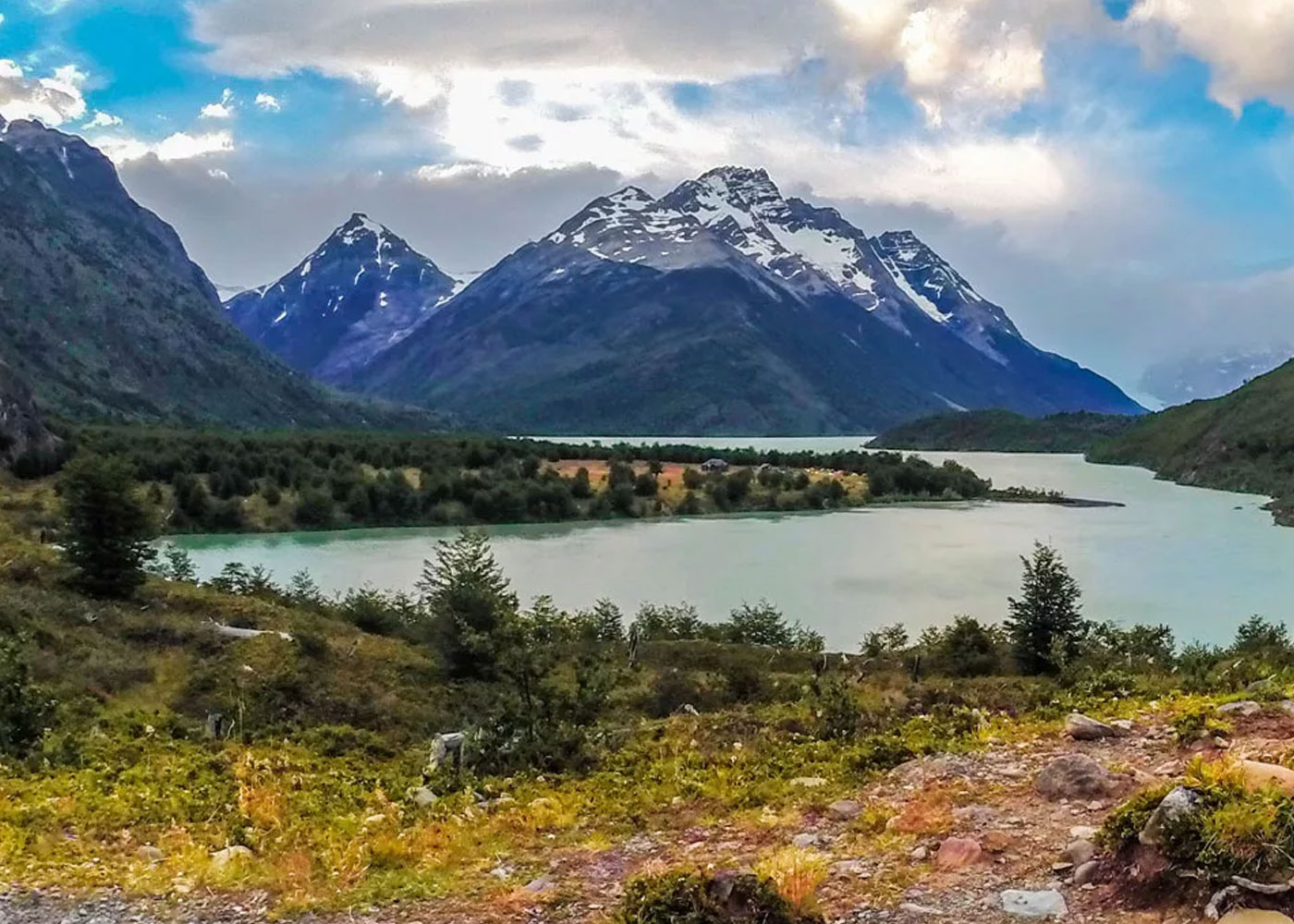
The heart of Chilean Patagonia: trekking, glaciers, turquoise lakes and memorable landscapes.
Torres del Paine guide →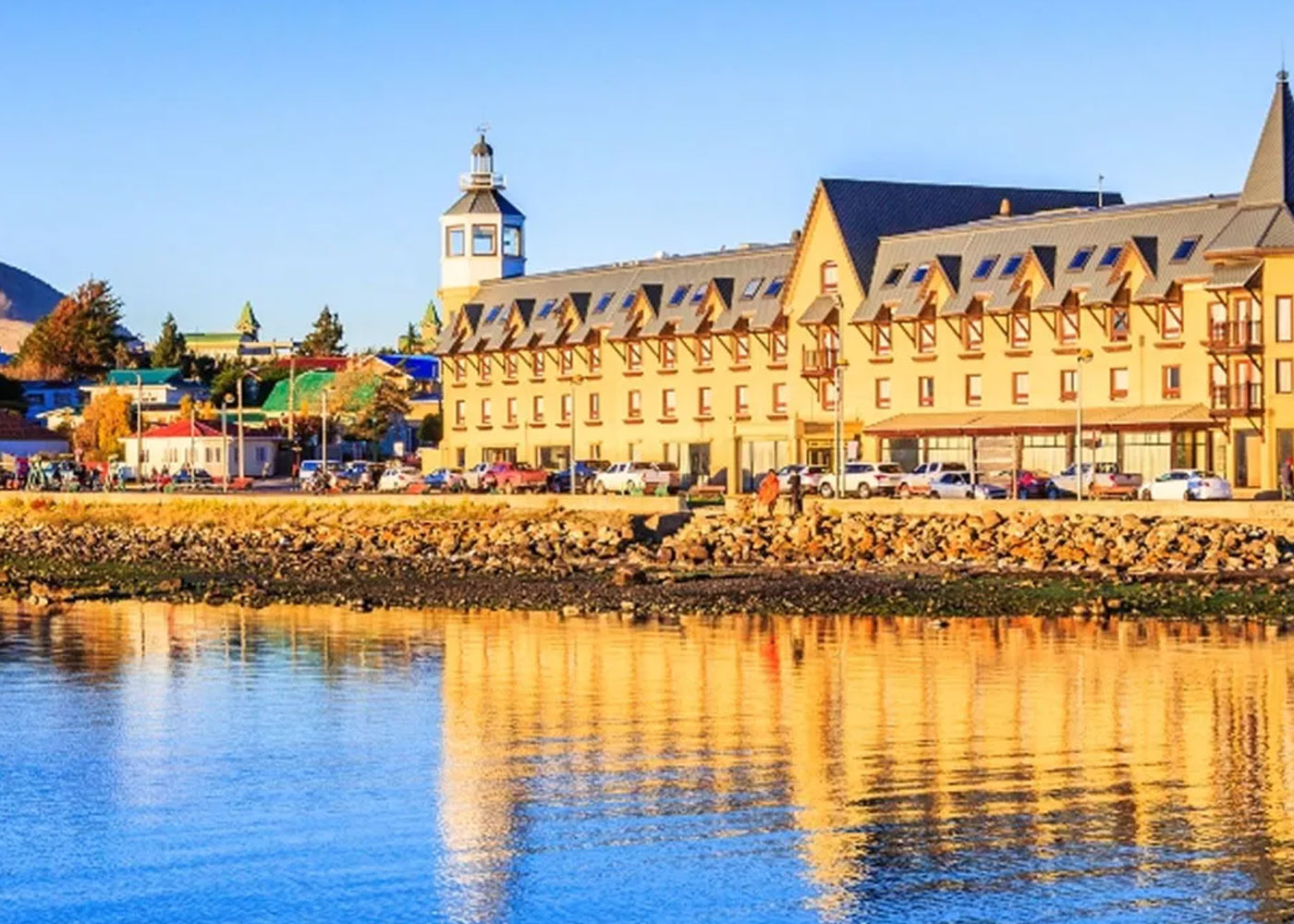
The base for exploring Torres del Paine, and a starting point for Patagonian boat trips.
Puerto Natales guide →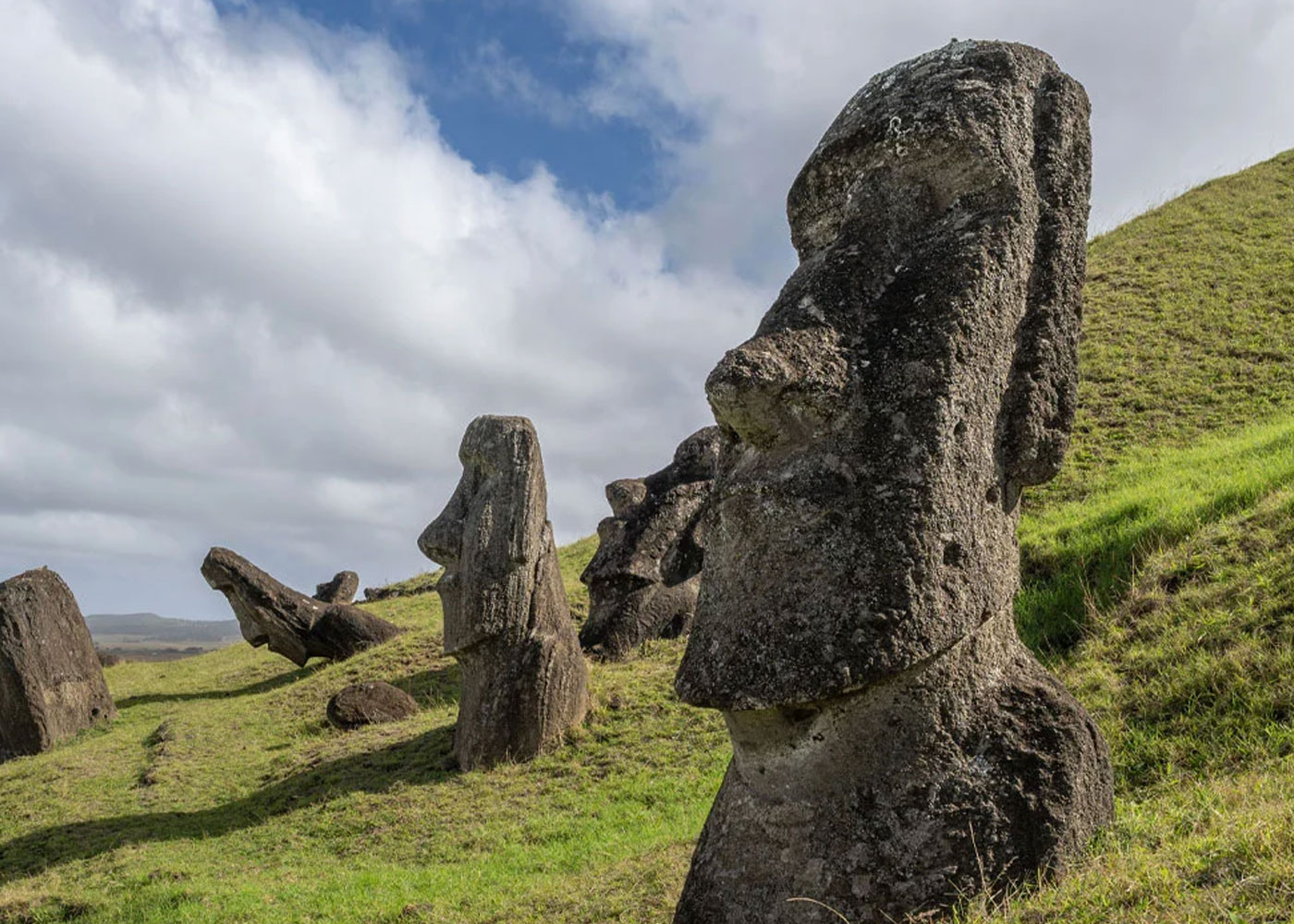
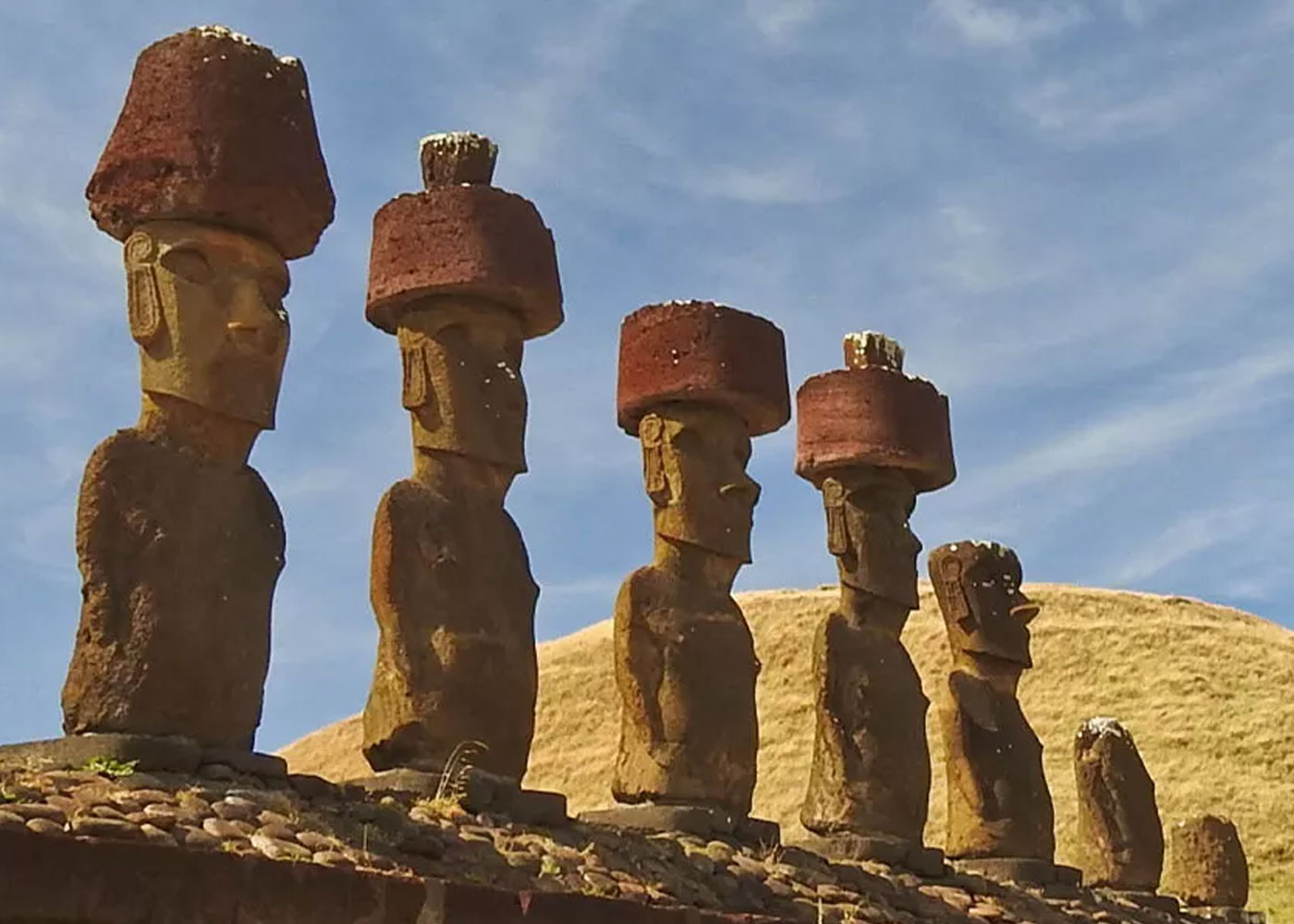
Moai, volcanoes and Polynesian culture: a special stop that requires dedicated flights and planning.
Rapa Nui guide →
Volcanoes, lakes and German architecture: the gateway to Chile's Lake District.
Puerto Varas guide →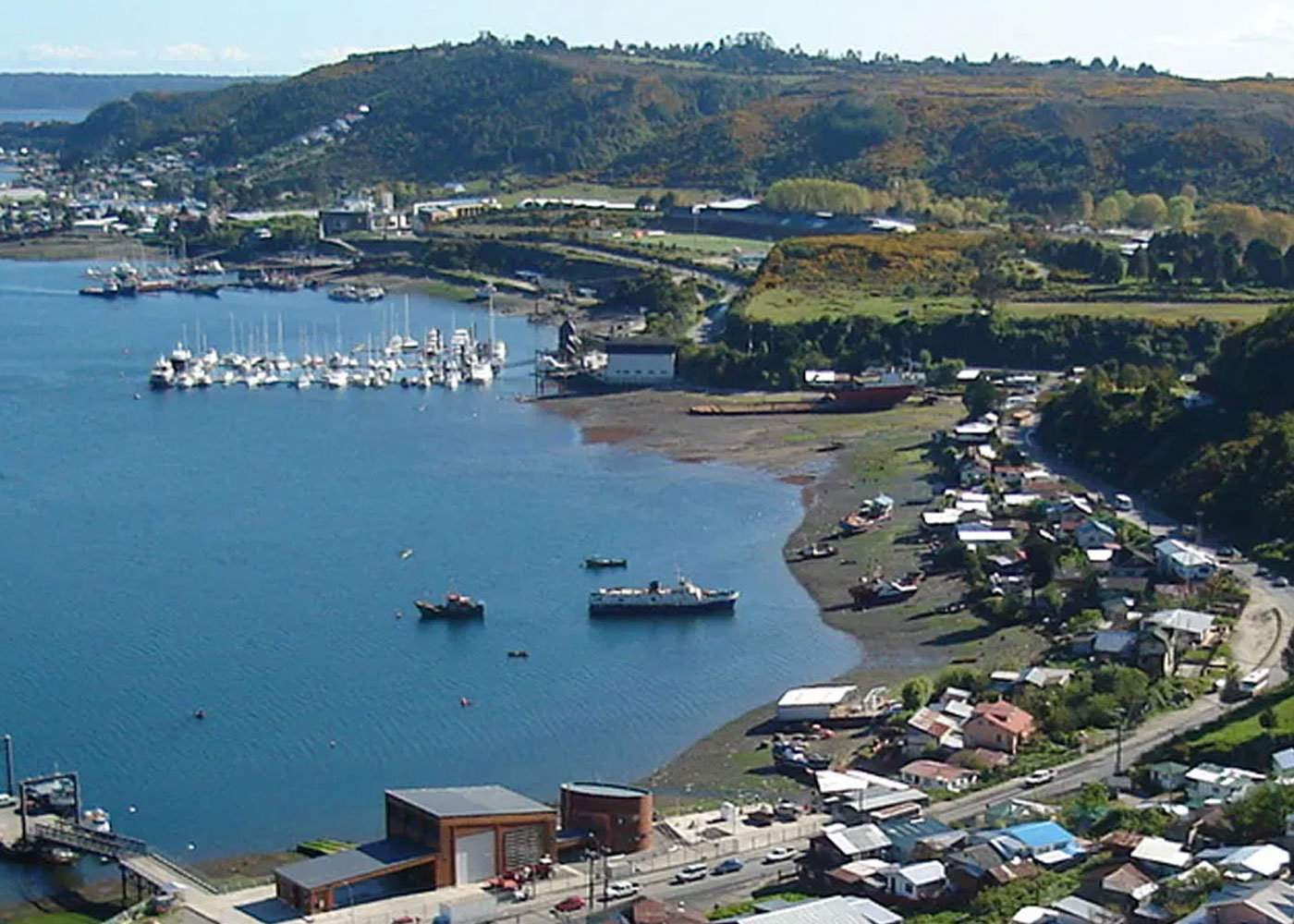
A port and crossroads between the Lake District and Chilean Patagonia.
Puerto Montt guide →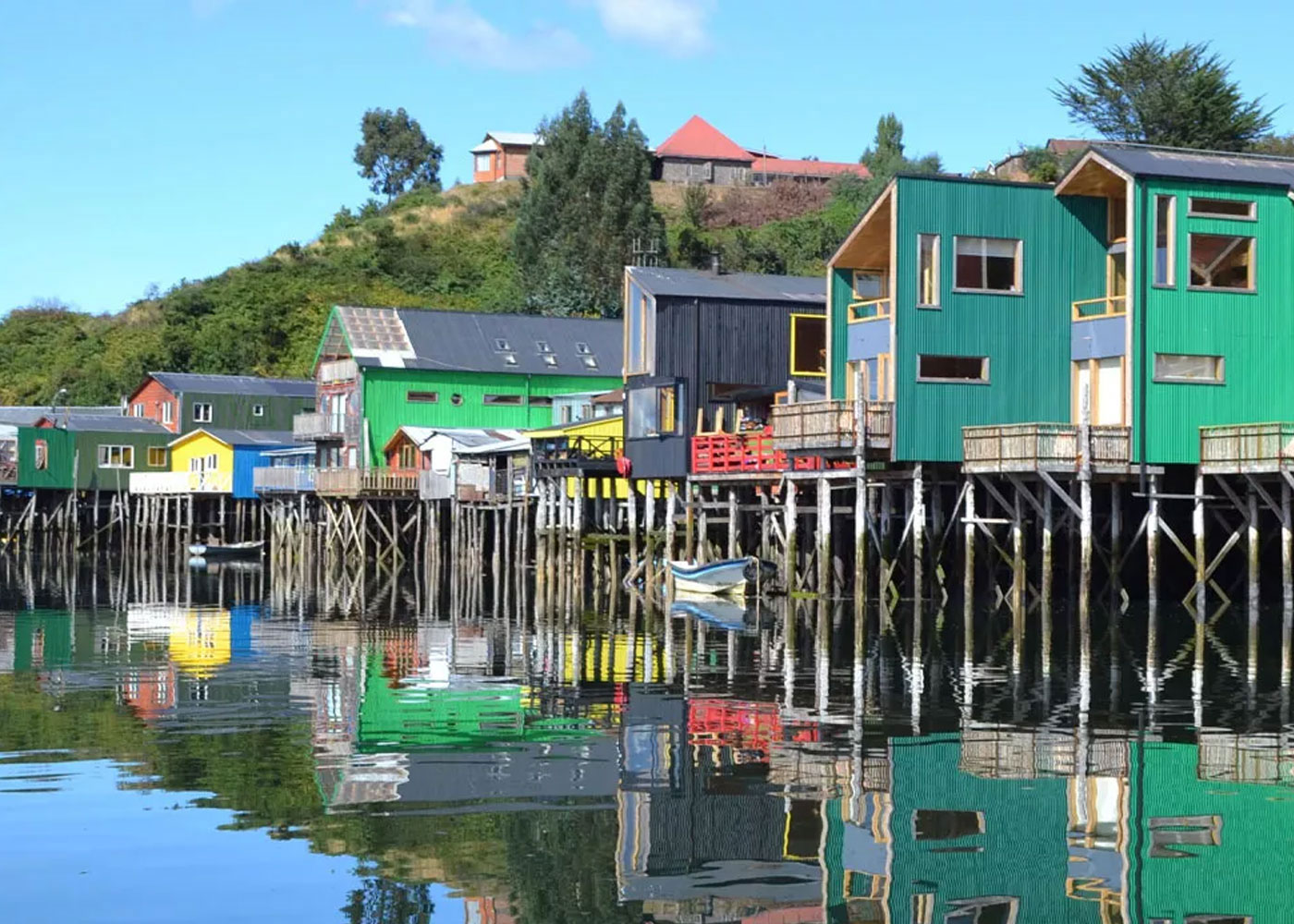
Stilt houses, markets and a completely different face of the country, with UNESCO World Heritage wooden churches.
Chiloé guide →
An on-the-road journey through a lesser-known Patagonia, among fjords, glaciers and pristine forests.
Carretera Austral guide →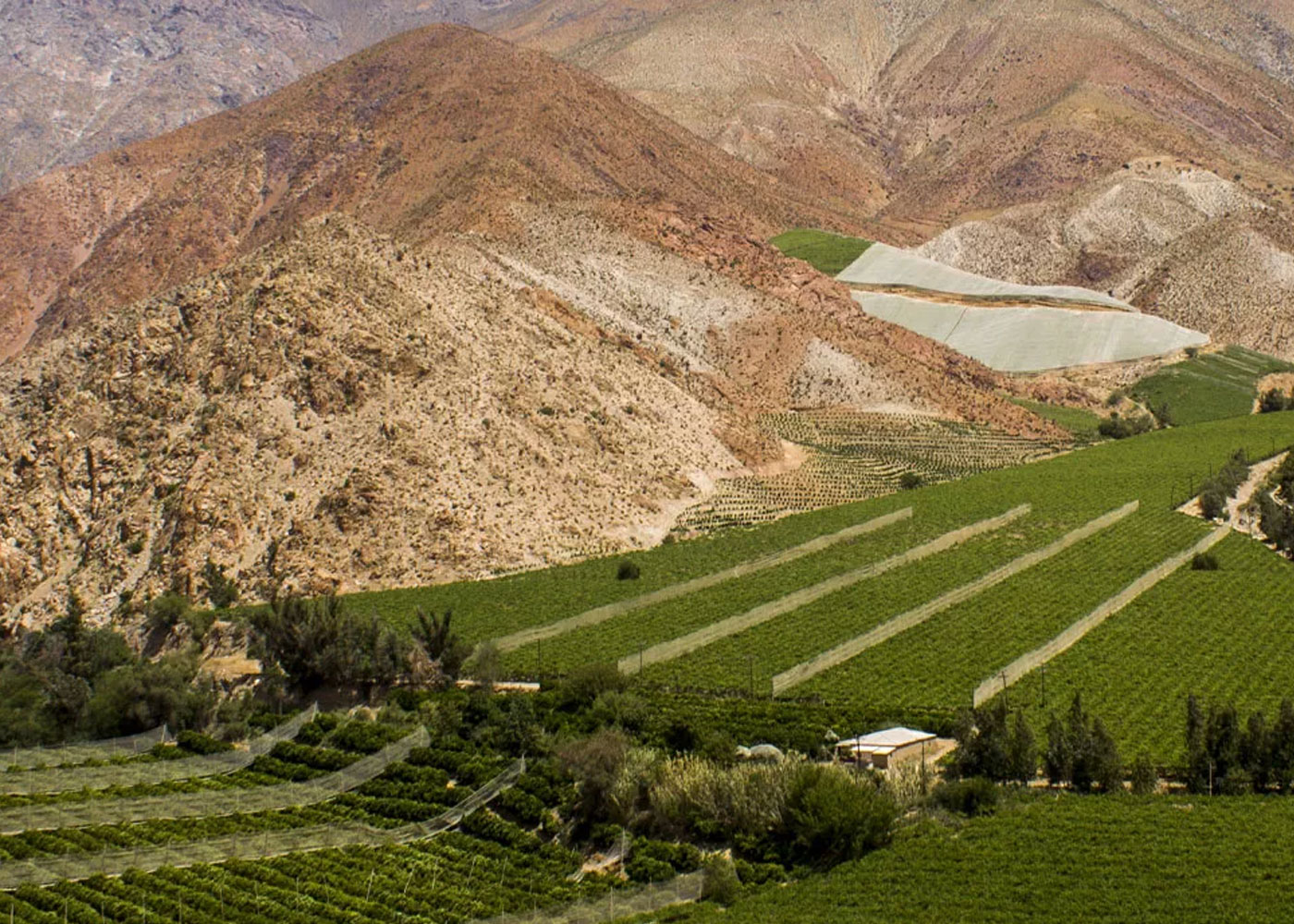
Maipo, Casablanca and Colchagua: wineries, cuisine and views of the Andes for tastings and boutique stays.
Wine valleys guide →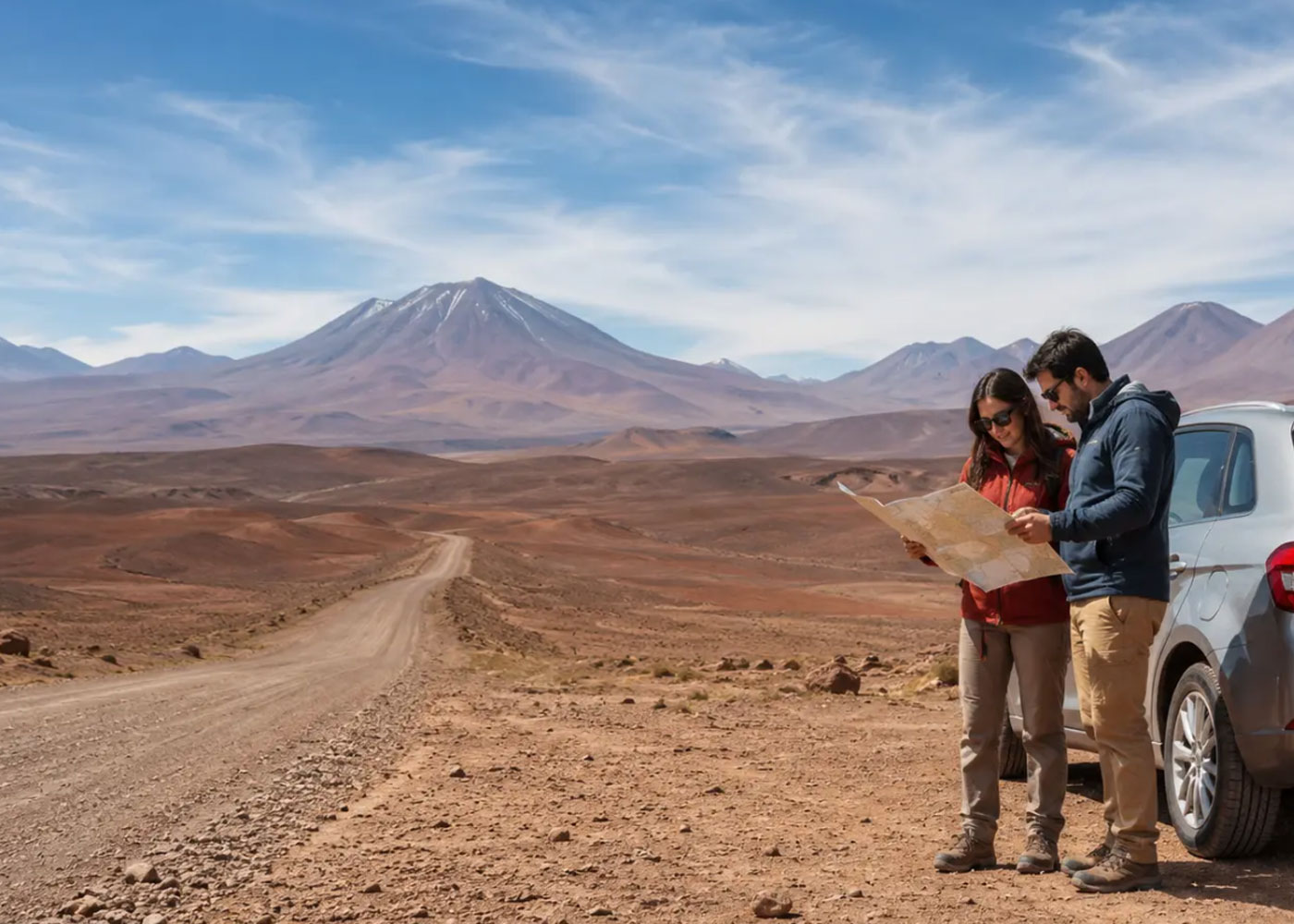
Logistics vary a lot from region to region. Between Santiago, Atacama, Chilean Patagonia and Rapa Nui, domestic flights are almost always needed: Santiago-Calama connects to Atacama, Santiago-Punta Arenas to Patagonia, and Rapa Nui requires a dedicated route.
Rather than adding up kilometers, it's better to think in terms of real door-to-door times: connections, check-in, ground transfers and possible weather margins.
The suggestions below are starting points to adapt to season, budget, flights and personal interests.

An introductory itinerary with fewer areas and controlled transfers.
Discover our offerings →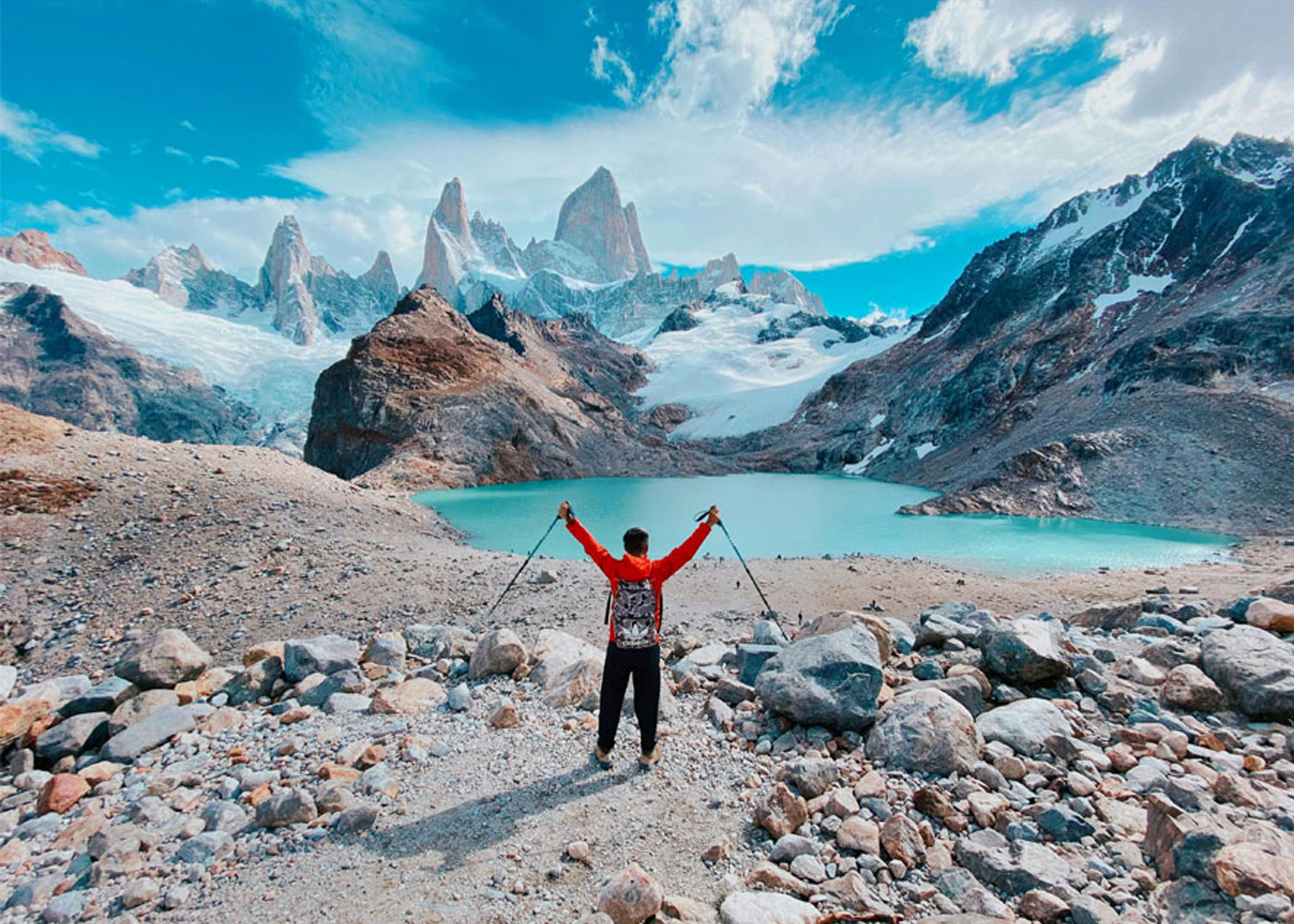
Two very different regions, with more room for nature experiences.
Discover our offerings →
A deeper journey, with room for a third region without rushing the itinerary.
Discover our offerings →Send us your dates, the number of days and the regions you're interested in. We'll help you understand what to keep, what to cut and how to make the trip flow better.
Request a travel consultationCompared to other South American destinations, Chile can require a fairly high budget: the big factors are the huge distances, domestic flights, remote areas like Patagonia and Rapa Nui, lodges and guided activities.
To compare different itineraries, it helps to separate fixed costs, logistics and activities: a simpler schedule can turn out to be better even without being the cheapest option overall.
Learn more about the cost of a trip to Chile →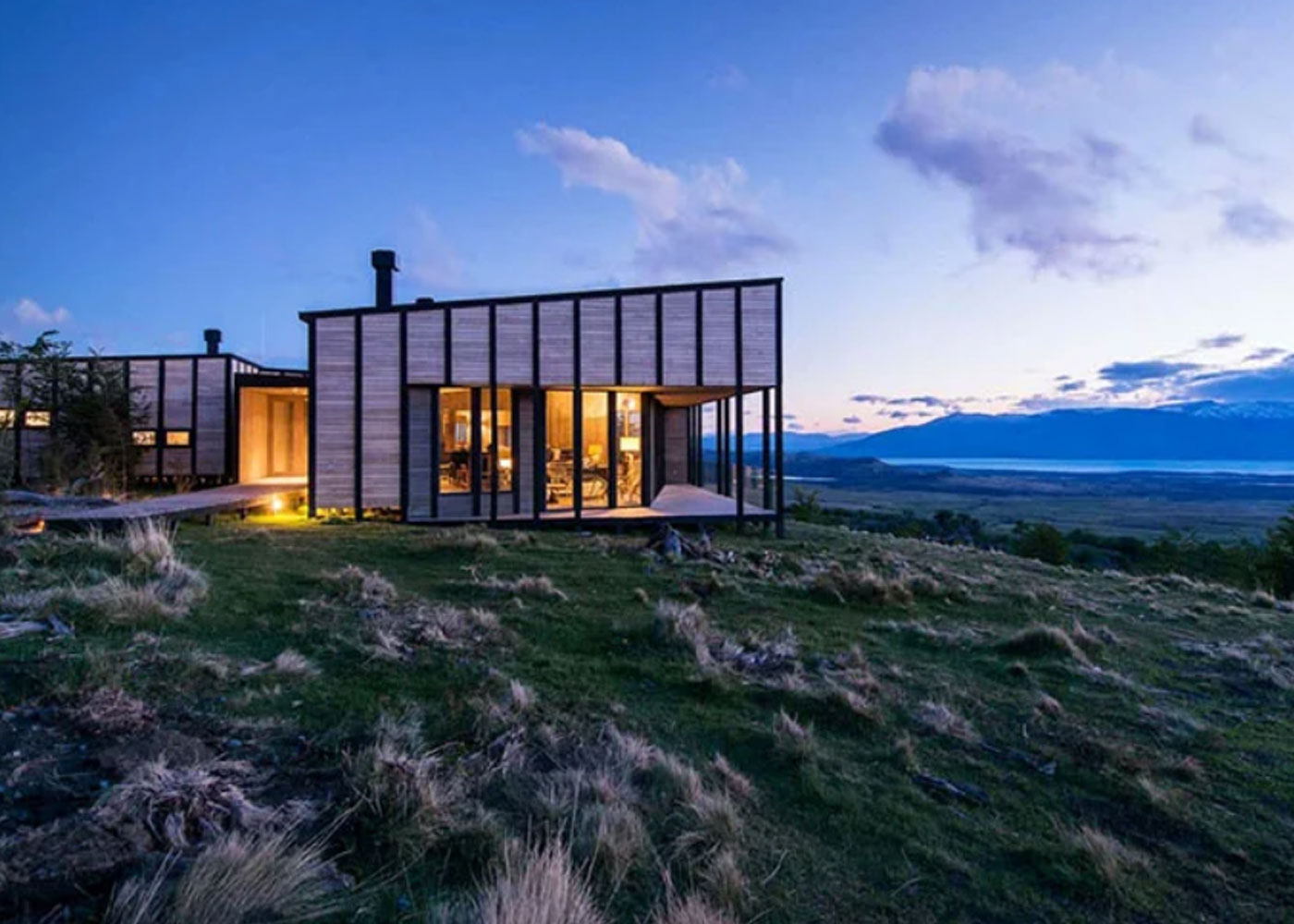

Self-guided travel works well with few stops, simple connections and enough time to handle bookings and unexpected events. Chile has good infrastructure and many domestic flight connections.
A tailor-made organized itinerary is more useful when Patagonia, Rapa Nui, the Carretera Austral, many transfers or activities requiring guides and advance bookings come into play.
Compare self-guided and organized travel →The most common mistakes come from overly packed itineraries, underestimated transfer times and not paying enough attention to season, altitude or local conditions.
Fewer well-experienced areas are better than many places linked by constant transfers.
A small margin helps when flights, roads or outdoor activities depend on the day's weather.
Atacama reaches high altitudes; in Patagonia the challenge is fast-changing, windy weather.
Domestic flights, lodges, entrance tickets and guides can have limited availability during the best periods.
Before every trip, check entry requirements, documents, any registrations, park rules and the operating conditions of activities on up-to-date official sources. Rapa Nui in particular follows additional entry procedures compared to travel on the mainland.
Protected areas, archaeological sites or remote regions may require bookings, authorized guides or specific procedures: check them separately for each stop.
The same destination can become a romantic trip, a photography trip, a nature trip, an active trip or a slow one. The difference lies in the planning.

Desert lodges, Patagonia, wine valleys and Rapa Nui: handpicked properties and well-paced days.
Honeymoon ideas →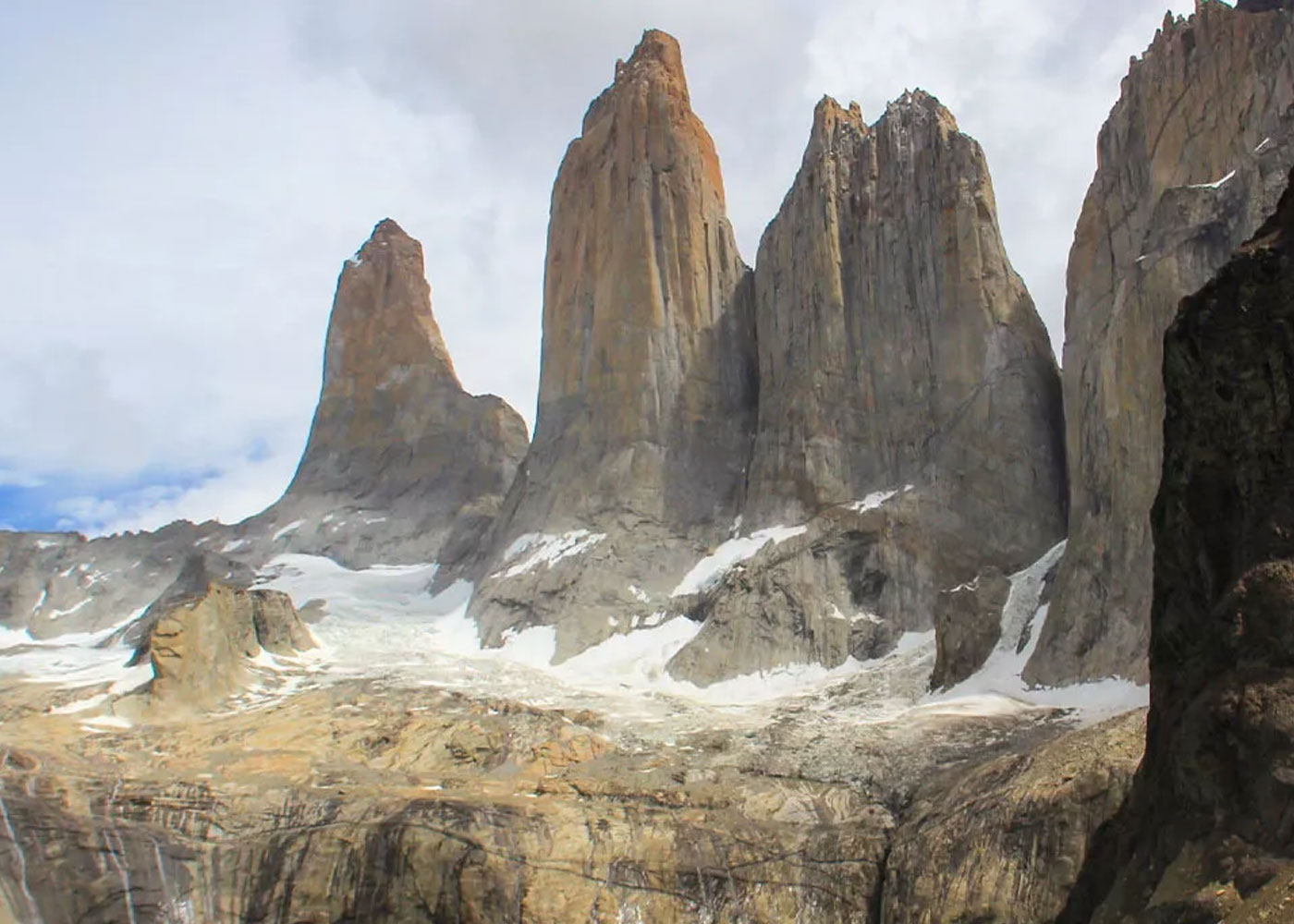
Torres del Paine, volcanoes and trails to choose based on your fitness level and the season.
Trekking in Chile →
Atacama, Patagonia, Rapa Nui and Valparaíso for those traveling with a camera.
Photography trip →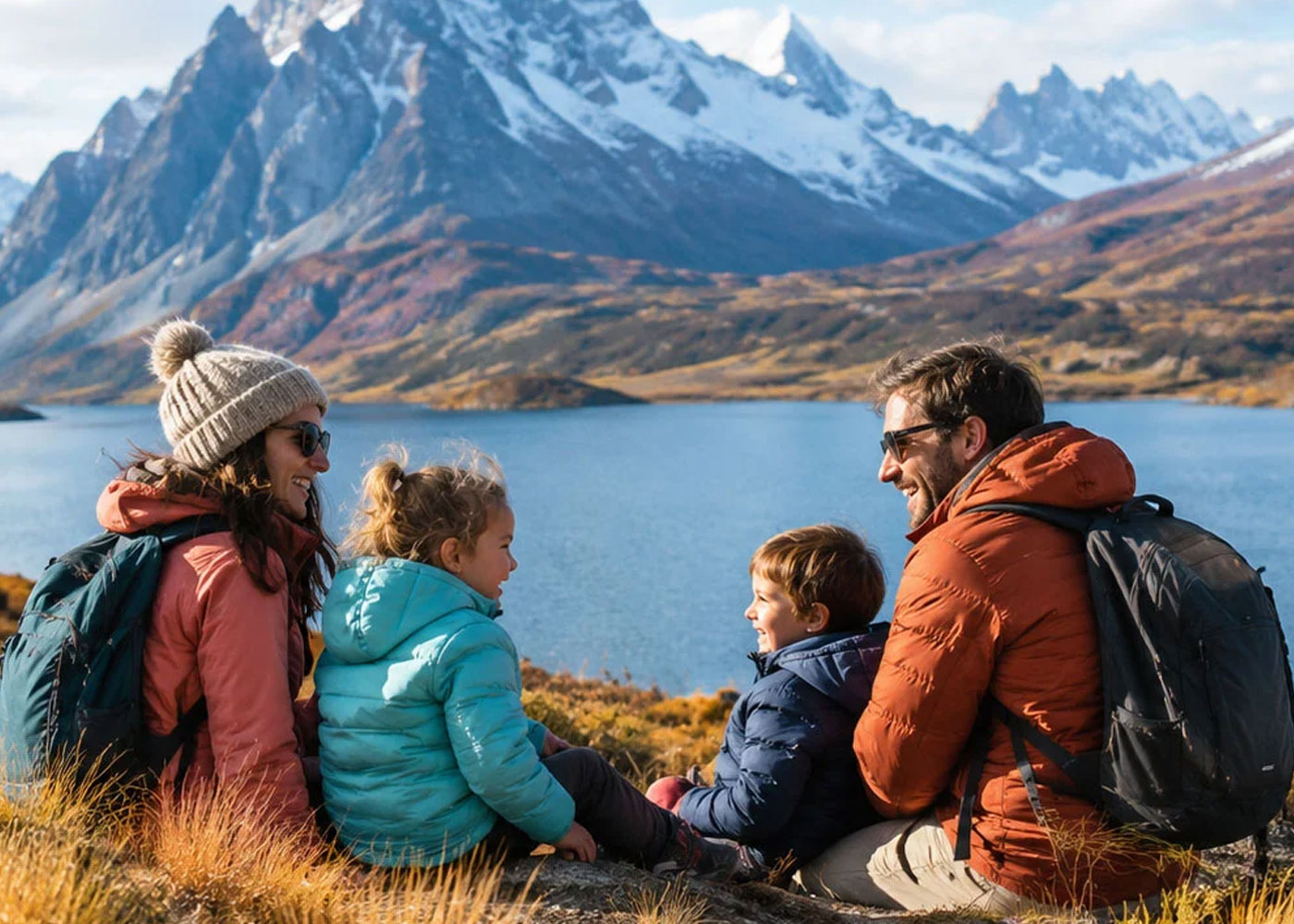
Gentler pace, calibrated transfers and activities suited to children's ages.
Chile with kids →
Desert lodges, wine resorts, private guides and handpicked experiences with smooth logistics.
Luxury travel →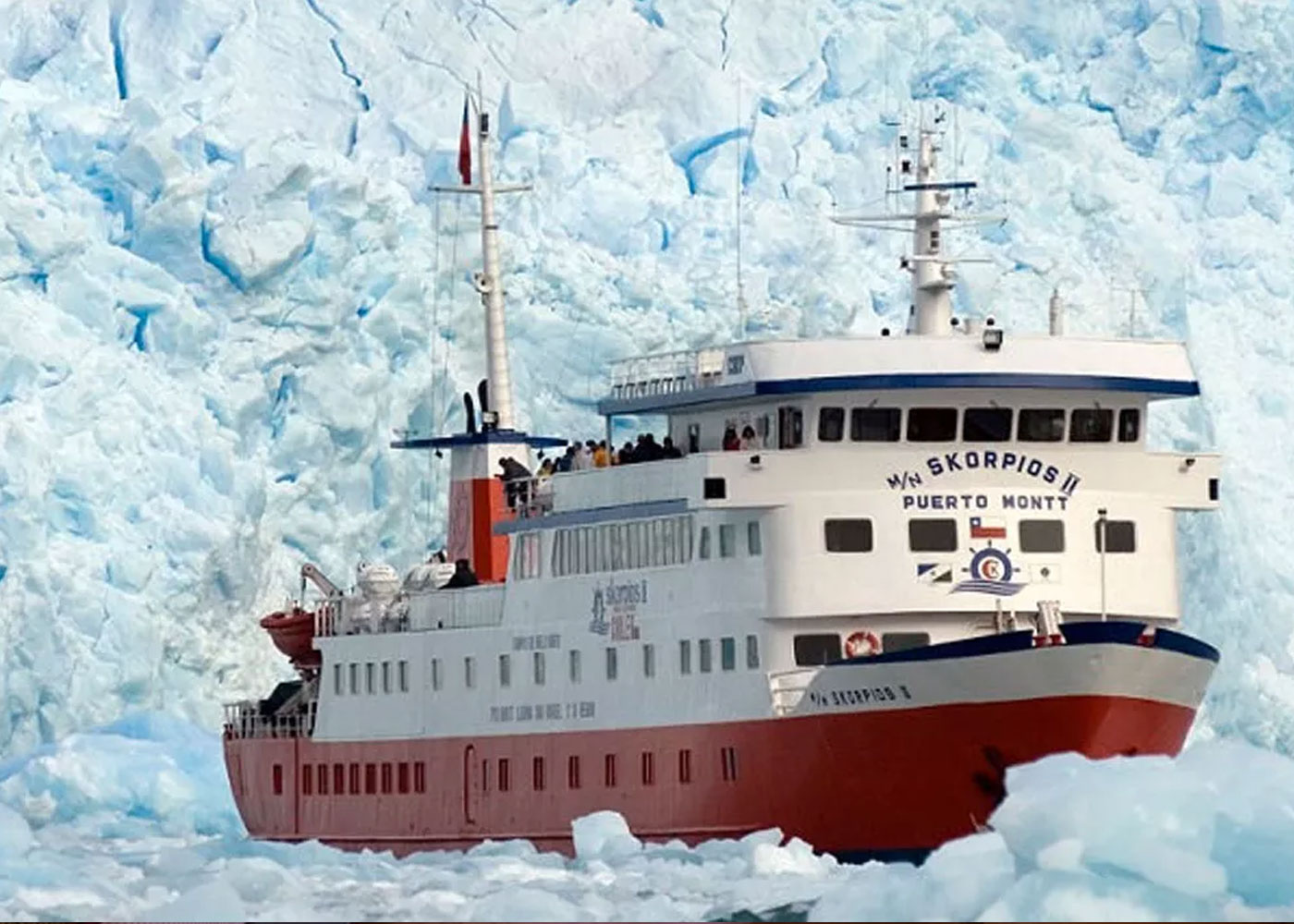
Punta Arenas and Puerto Natales are the main departure points for sailing through southern fjords and channels.
Discover our cruises →
In cities like Santiago and Valparaíso, take normal precautions with valuables and evening travel. In remote areas, the main considerations are weather, distances, connectivity and access to services.
Save your insurance contacts and up-to-date local emergency numbers. In Atacama and the Andean highlands, altitude requires gradual acclimatization.
Read the safety guide →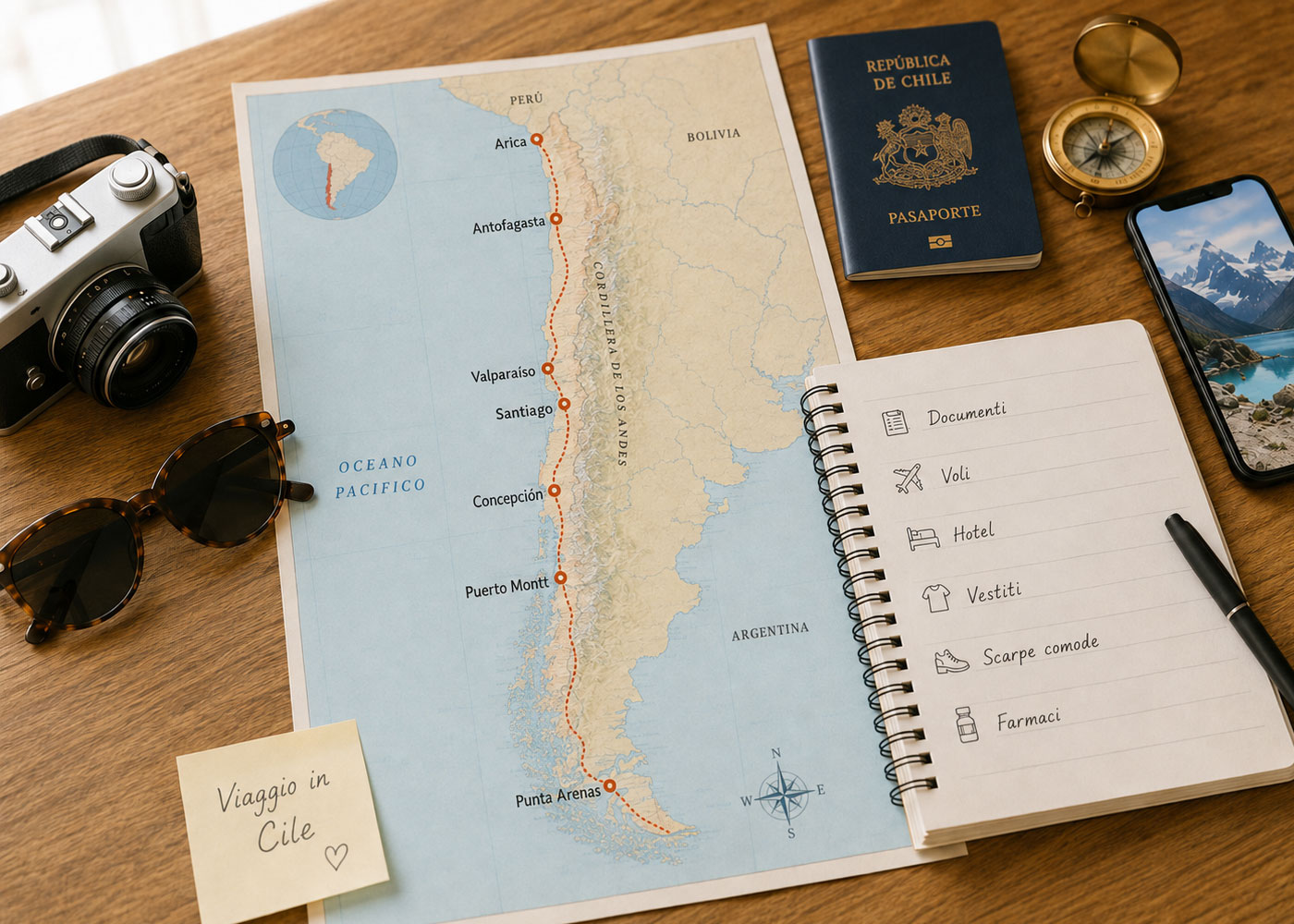
Tell us when you want to leave, how many days you have available, what kind of experience you're looking for and which places attract you most. We'll help you turn your initial idea into a concrete, realistic and memorable itinerary.
Request a personalized quoteFor a well-balanced first trip to Chile, it's generally best to have at least 10–15 days, enough time to connect two major regions like Santiago, the Atacama Desert or Chilean Patagonia without rushing. With 18–20 days or more, you can add a third stop, such as Rapa Nui or the Lake District, without turning the itinerary into a continuous sequence of transfers. In general, for a tailor-made trip to Chile, it's better to focus on a few well-experienced areas rather than a long list of stops, given the country's huge distances.
The best time to go to Chile depends a lot on the region: the country stretches over 4,000 kilometers, from the Atacama Desert to Tierra del Fuego. Chilean Patagonia is easiest to visit between October and March (southern spring-summer), when days are longer and more stable; Santiago, Valparaíso and the wine valleys are very pleasant in spring and autumn, with mild temperatures and fewer crowds; Atacama and Rapa Nui can be visited year-round, while winter (June-August) is ideal for winter sports in the Andes, but not recommended for classic Patagonia.
Yes, if it's a priority for your trip and you have enough days. Rapa Nui adds an oceanic, Polynesian dimension very different from the rest of the itinerary, but it requires a dedicated flight and specific planning: it's best to plan at least three full nights to enjoy it properly without rushing the visit, also considering the different time zone compared to the mainland.
Yes: a honeymoon in Chile works very well when the couple is looking for an authentic experience rather than a standard package. The Atacama Desert, Chilean Patagonia and the wine valleys let you combine spectacular landscapes, boutique lodges and hotels, and days with a more relaxed pace than a classic itinerary. We build tailor-made honeymoon itineraries by choosing handpicked properties and adding experiential moments (tastings, light treks, scenic dinners) that match the season and length of the trip.
Yes, a trip to Chile with children is absolutely feasible with an itinerary calibrated for age, transfers and climate. For a first family experience, convenient bases like Santiago, Valparaíso and the Lake District are useful, offering good services, outdoor activities and manageable travel times. The more demanding areas, such as high-altitude Atacama or the more remote parts of Patagonia, should be introduced gradually and only at a pace suited to younger children.
It depends on the type of itinerary. Self-guided travel in Chile is suited to simple schedules, with few areas and direct connections, and to those who have time to handle bookings and unexpected events on their own. A tailor-made organized trip becomes more worthwhile when remote areas, many domestic transfers, high altitudes or activities requiring authorized guides and advance bookings come into play (Patagonia, Rapa Nui, demanding treks). In these cases, a local operator helps reduce dead time and logistical risk.
The cost of a trip to Chile varies a lot depending on international and domestic flights, hotel category, number of regions visited, private services and included excursions. Remote areas and lodges with limited availability (Patagonia, Rapa Nui) affect the overall budget more than large cities. For a realistic quote, it's always best to start from a concrete itinerary — dates, days, regions and travel style — rather than a generic daily average, which can be misleading.
Yes: a combined Chile and Argentina trip, for example between Chilean Patagonia and Argentine Patagonia, or a route that adds Bolivia with the Uyuni Salt Flat starting from San Pedro de Atacama, is often a very sensible choice thanks to the connections between the countries. The combination should be planned around real flight or transfer times, not just proximity on the map: some routes require layovers or longer travel than they first appear.
Practical guides to help you choose when to go, what to see, and how to build the itinerary that's right for you.
No filters, no intermediaries — with local operators in Lima, Cusco and Arequipa