10-day trip to Colombia
A first, compact itinerary between iconic cities and landscapes, with relatively simple transfers and enough time to settle into the country's rhythm.
Bogotá, Cartagena and Tatacoa →

From Bogotá to the Tatacoa Desert, from Tayrona Park and the Sierra Nevada to San Andrés and Providencia: a complete guide to understanding when to go, what to see, how many days you need and how to build a tailor-made trip to Colombia.
Travel local, live responsibly — no filters, no intermediaries

A trip to Colombia works when it connects landscapes, culture and logistics. From Bogotá to the Tatacoa Desert, from Tayrona Park and the Sierra Nevada to San Andrés and Providencia, the distances and changes in altitude or climate make it important to choose a few areas and give each the right amount of time.
This page is a general guide: it helps you find your way between destinations, seasons, costs and itineraries, while the detail pages go deeper into each individual topic.
Learn more about what to see in Colombia →Colombia isn't seen well by piling up too many stops. The best choice comes from the days available, the season, your interests and the pace you want.
A first, compact itinerary between iconic cities and landscapes, with relatively simple transfers and enough time to settle into the country's rhythm.
Bogotá, Cartagena and Tatacoa →
Two very different regions for a more complete trip, to be connected carefully around flights, roads, altitude and seasonality.
Tatacoa and Tayrona Park and the Sierra Nevada →
With more days you can add a third area without turning the trip into a sequence of transfers.
Add San Andrés, Guatapé or the Coffee Region →Use this table as an initial compass: each area has a distinct identity, a best season and a different logistical complexity.
Colombia is tropical and its climate depends above all on altitude and region. In many Andean and Caribbean areas, the driest periods fall between December and March and, partly, between July and August. April–May and October–November tend to be rainier.
For a first trip, January, February, July and August are often months worth weighing carefully. The final choice depends on the regions included and the activities planned.
Read the month-by-month guide →
Great for Bogotá, Tatacoa, Cartagena and first departures south.
High season for Tayrona Park and the Sierra Nevada, trekking, lake areas and the Coffee Region.
Scenic shoulder season, fewer crowds and good photography opportunities.
Ideal for the north, Bogotá and selective activities; less suited to a classic Tayrona Park visit.
The most important macro-areas to consider. Each destination has a dedicated page with itineraries, practical tips and the best time to visit.
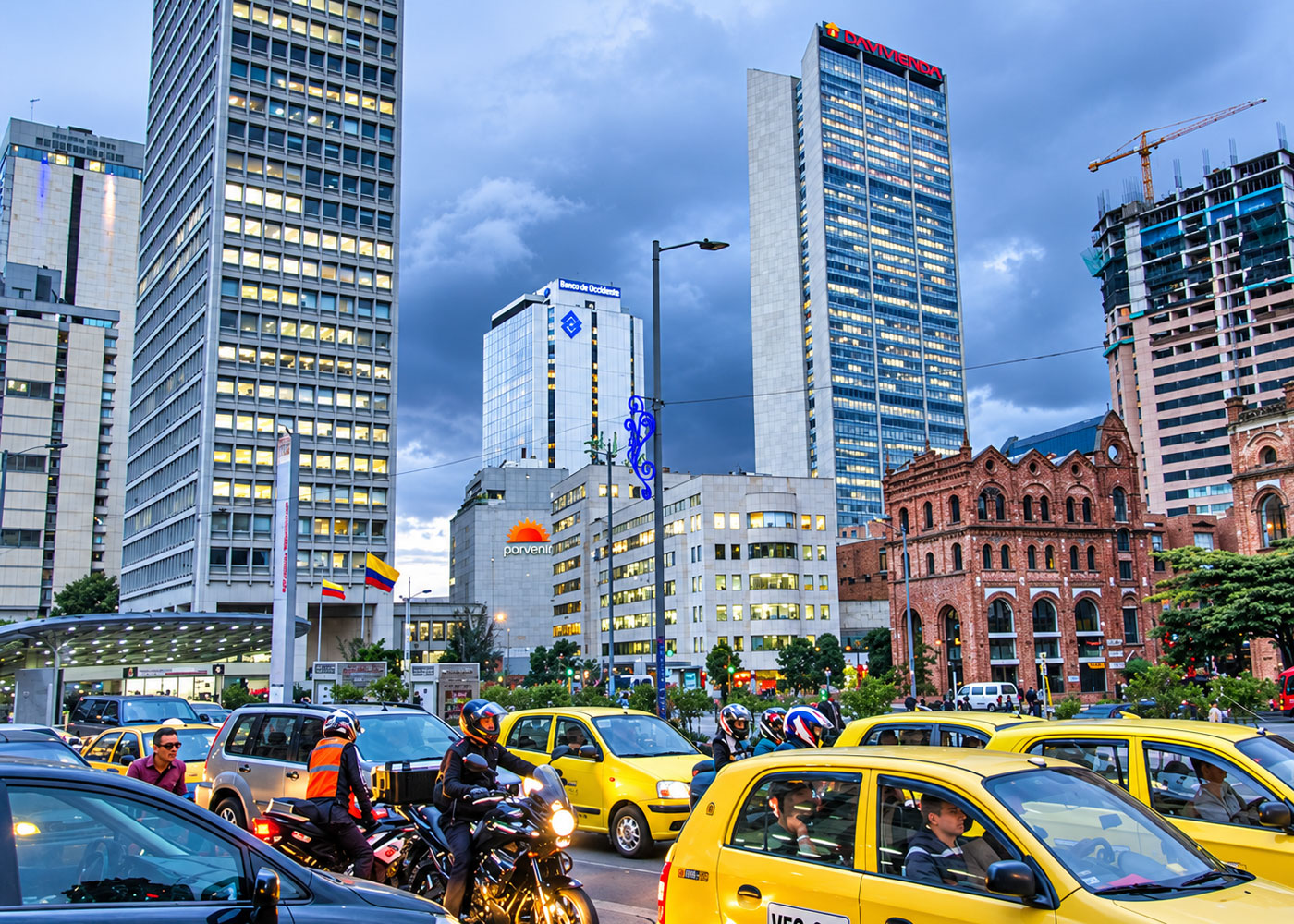
The country's gateway, a logistical base and a city to experience between culture and gastronomy.
Guide to Bogotá →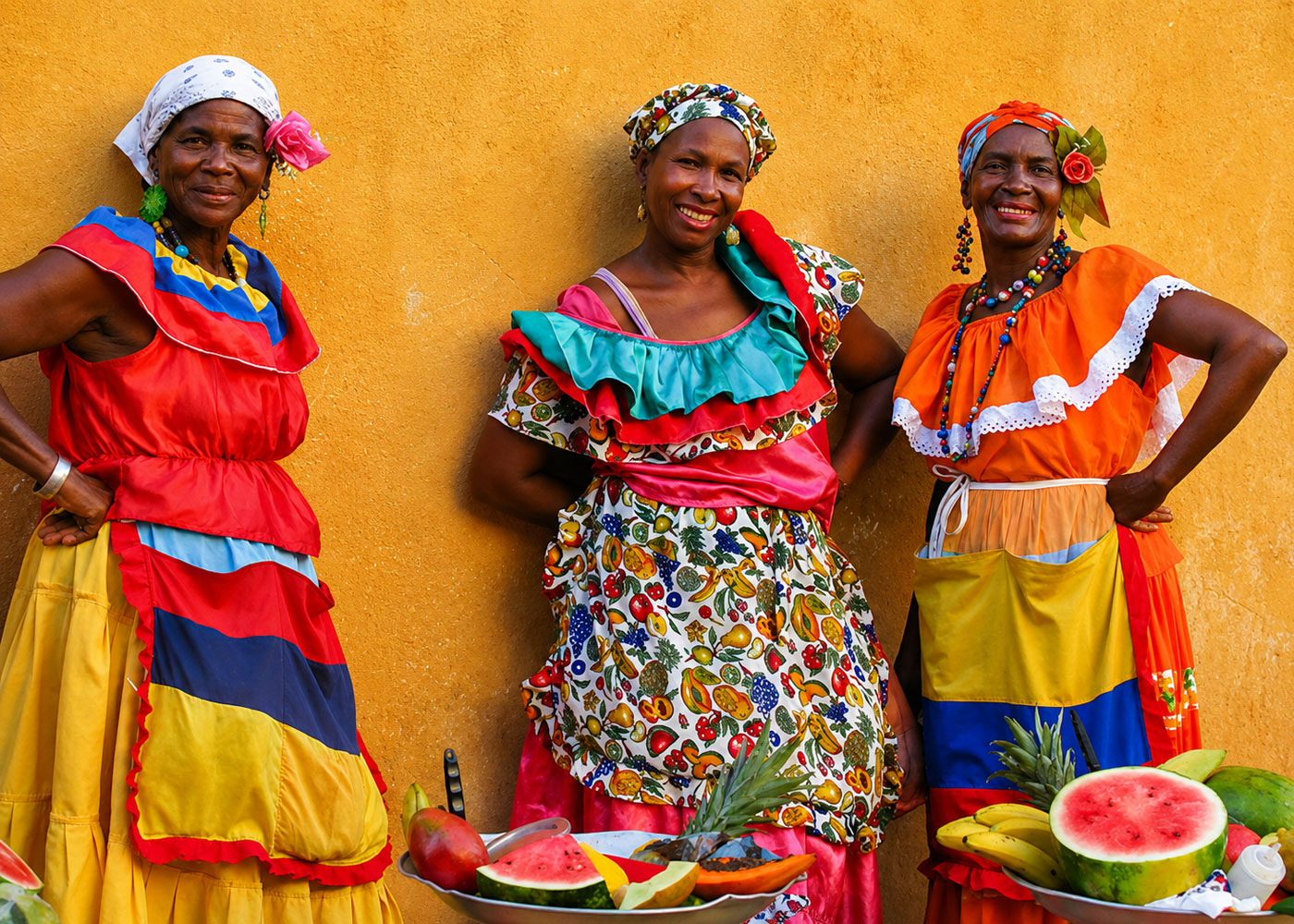
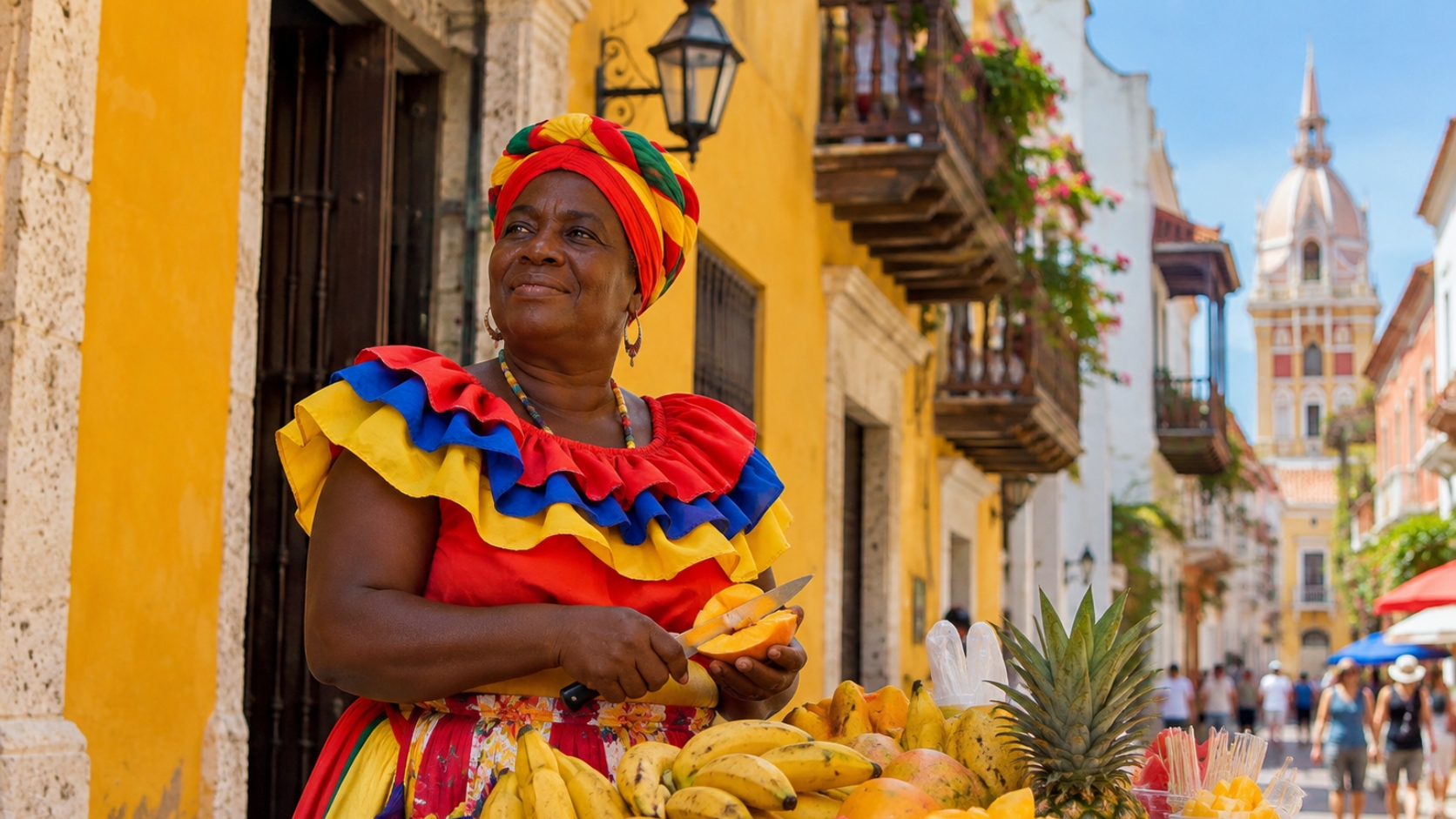
A second urban stop with history, architecture and a different pace from Bogotá.
Guide to Cartagena →
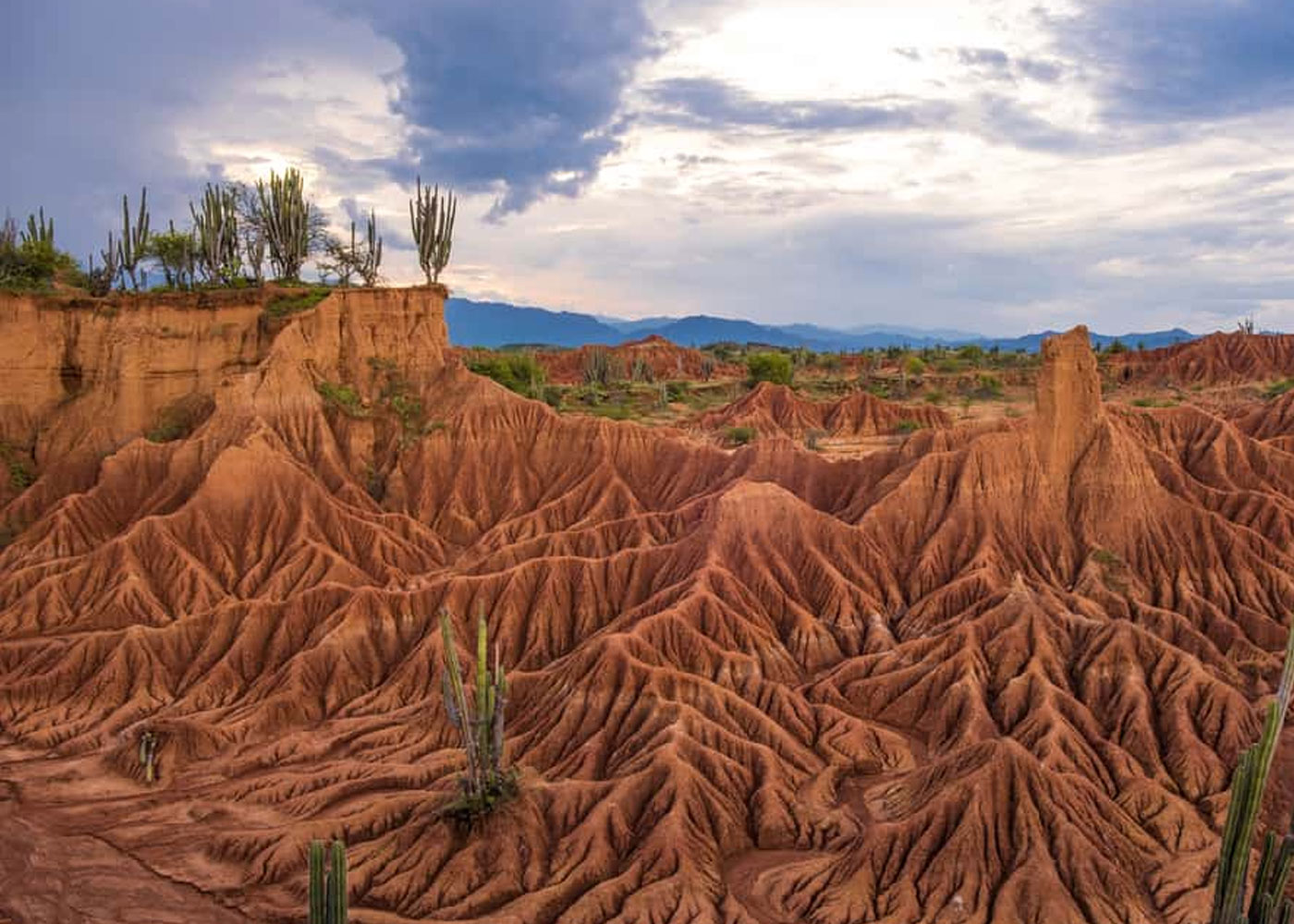
One of the country's strongest landscape areas, to organize carefully around timing, altitude, weather and distances.
Guide to Tatacoa →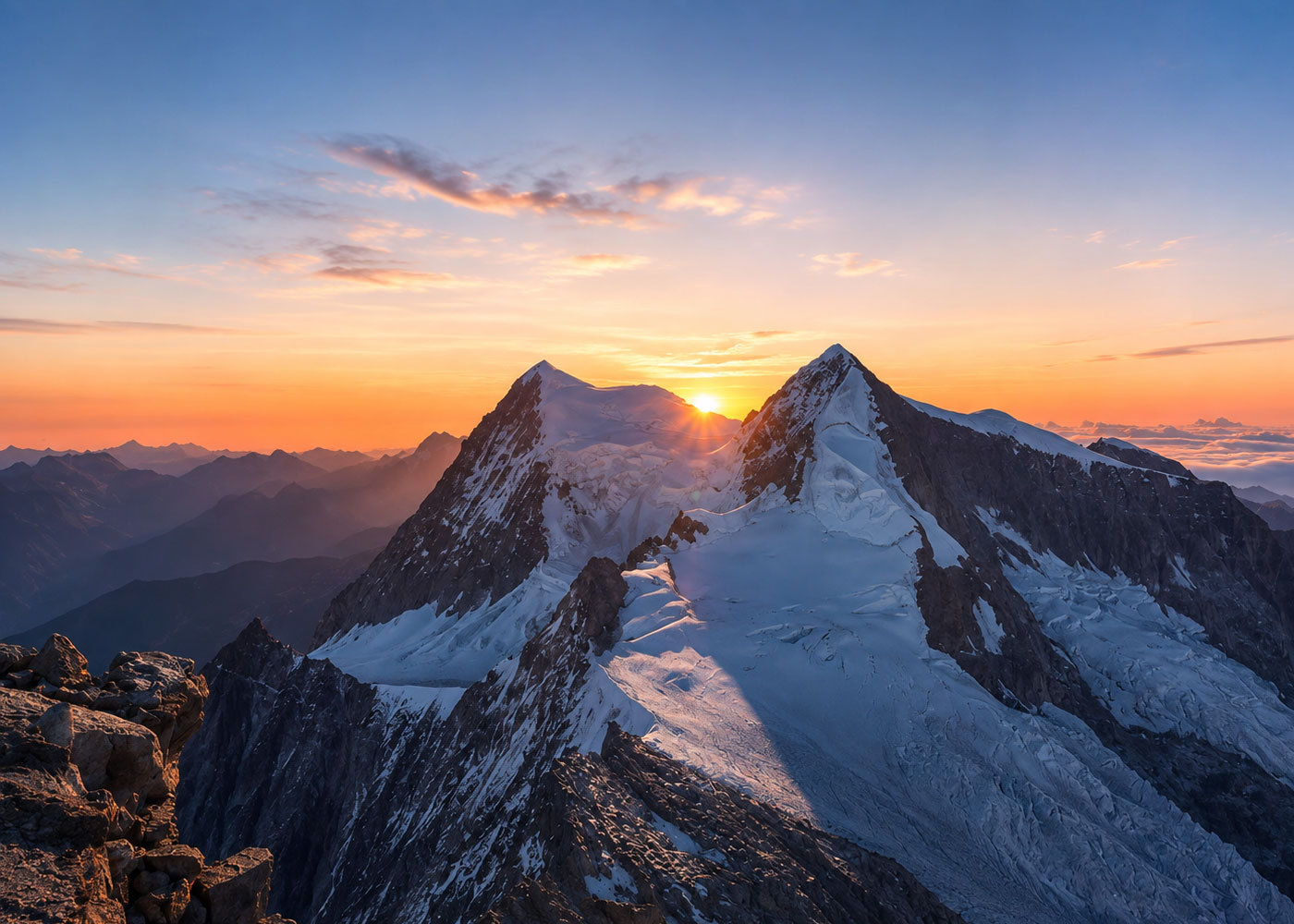
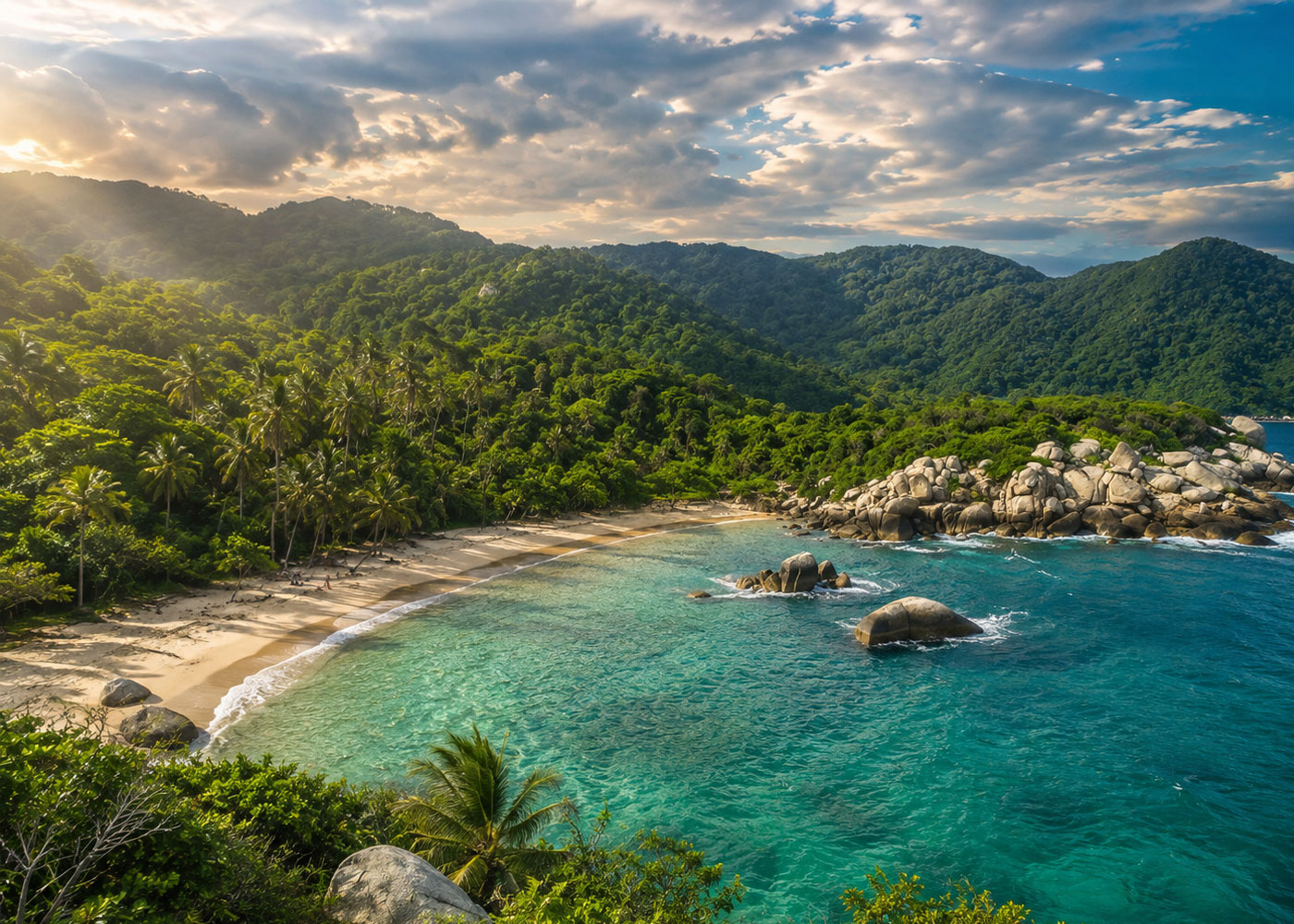
The area to consider for nature, trekking and vast landscapes, choosing activities that match the season and your fitness level.
Guide to the Sierra Nevada →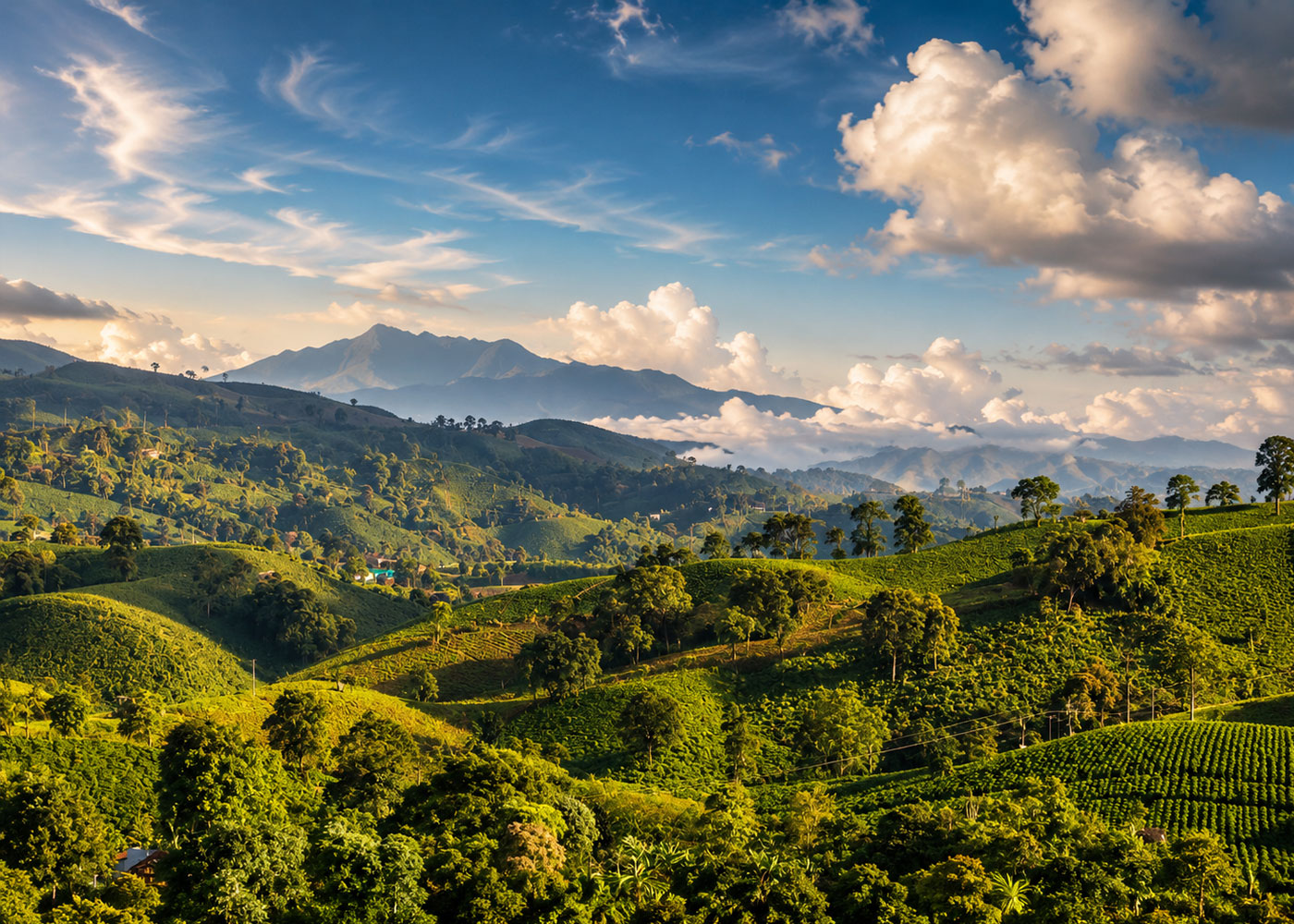
An ideal area for those who love road-trip itineraries, small towns and a less standardized trip.
Guide to the Coffee Region →
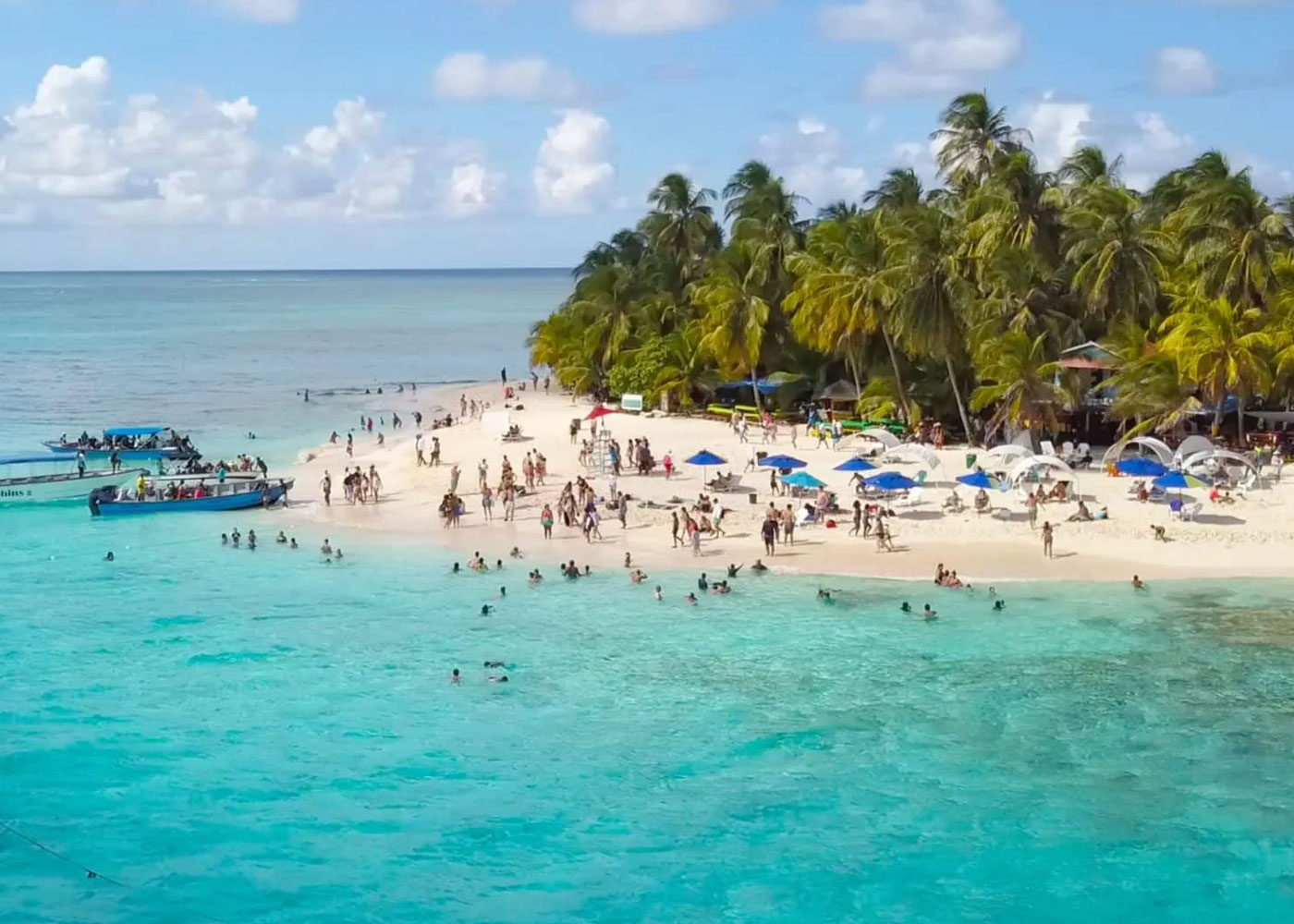
A special stop for adding culture, nature and geographic isolation to a more classic itinerary.
Guide to San Andrés →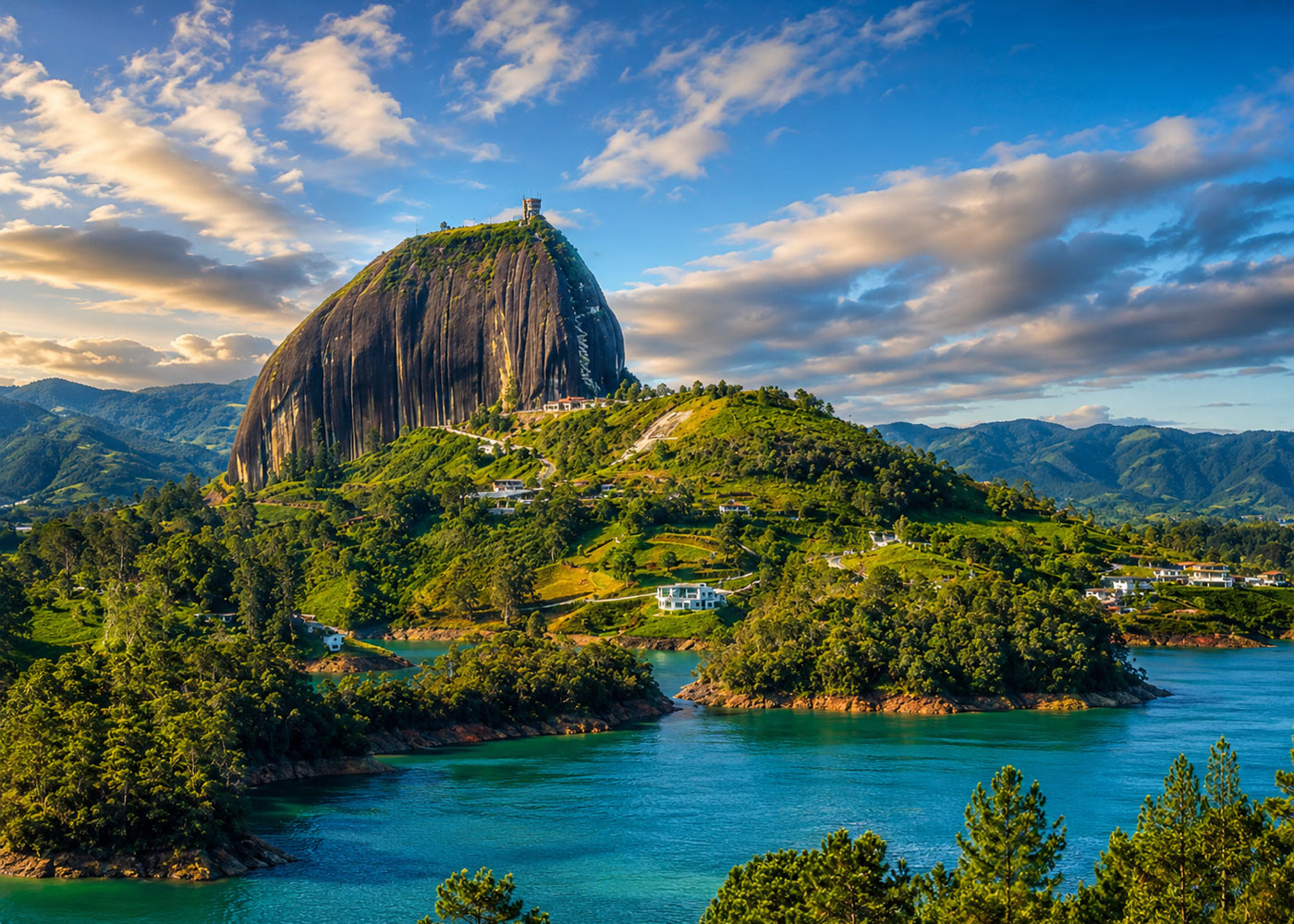
An area suited to a slower pace, outdoor activities and multi-night stays.
Guide to Guatapé →
An extension for a complete change of setting and a deeper look at a tropical side of the country.
Guide to the Colombian Amazon →
The right stop for adding tastings, gastronomy and relaxing stays to the trip.
Guide to Boyacá →
Logistics vary a lot from region to region. Between Bogotá, Tatacoa, Tayrona Park and the Sierra Nevada, and San Andrés and Providencia, you may need flights, long-distance buses or private transfers.
Rather than adding up kilometers, it's better to think in terms of real door-to-door time: connections, check-in, ground transfers and possible weather margins.
The proposals below are templates to adapt to season, budget, flights and personal interests.

An introductory itinerary with few areas and controlled transfers.
Discover our proposals →
Two very different macro-regions, with more room for nature-based experiences.
Discover our proposals →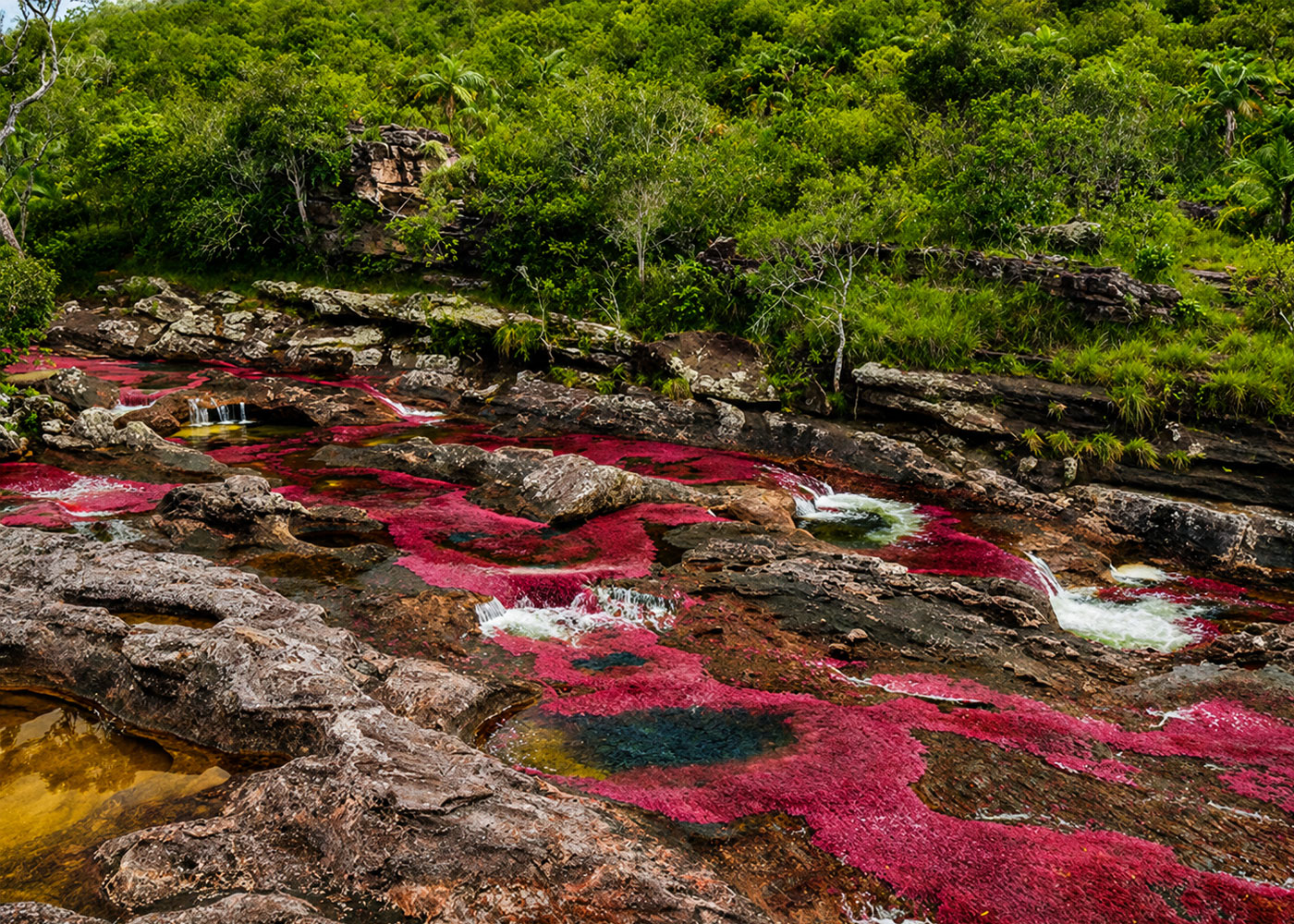
A deeper trip, with room for a third area without compressing the program.
Discover our proposals →Send us your dates, the number of days and the areas that interest you. We'll help you figure out what to keep, what to cut and how to make the trip flow better.
Request a travel consultationThe budget depends above all on international and domestic flights, hotel category, number of areas, private services and excursions. Remote areas and lodges with limited availability affect the cost more than the main cities do.
To compare different itineraries, it's useful to separate fixed costs, logistics and activities: a simpler program can turn out better even without being the cheapest option overall.
Learn more about the cost of a trip to Colombia →

Self-guided travel works well with few stops, simple connections and enough time to handle bookings and unexpected situations.
A tailor-made organized itinerary becomes more useful when high altitudes, remote areas, many transfers or activities requiring guides and advance bookings come into play.
Compare self-guided and organized travel →The most frequent mistakes come from overly dense itineraries, underestimated transfer times and too little attention to season, altitude or local conditions.
Fewer, well-experienced areas beat many places linked by constant transfers.
A small margin helps when flights, roads or outdoor activities depend on the day's weather.
Bogotá and some Andean areas sit at altitude, but the main issue is climatic variety: you move quickly from cool highlands to hot, humid tropical zones.
Flights, lodges, entry tickets and guides can have limited availability during the best periods.
Before every departure, check entry requirements, documents, any registrations, park rules and the operating conditions of activities against official, up-to-date sources.
For protected areas, archaeological sites or remote regions, bookings, authorized guides or specific procedures may be required: check these separately for each stop.

The same destination can become a romantic, photographic, nature-focused, active or slow trip. The difference lies in the planning.

Handpicked properties, Boyacá and its high-altitude vineyards, nature and well-paced days.
Honeymoon ideas →
The Sierra Nevada de Santa Marta, parks and trails to choose based on fitness level and season.
Trekking in Colombia →
Tatacoa, Tayrona Park and the Sierra Nevada, cities and landscapes for those traveling with a camera.
Photography trip →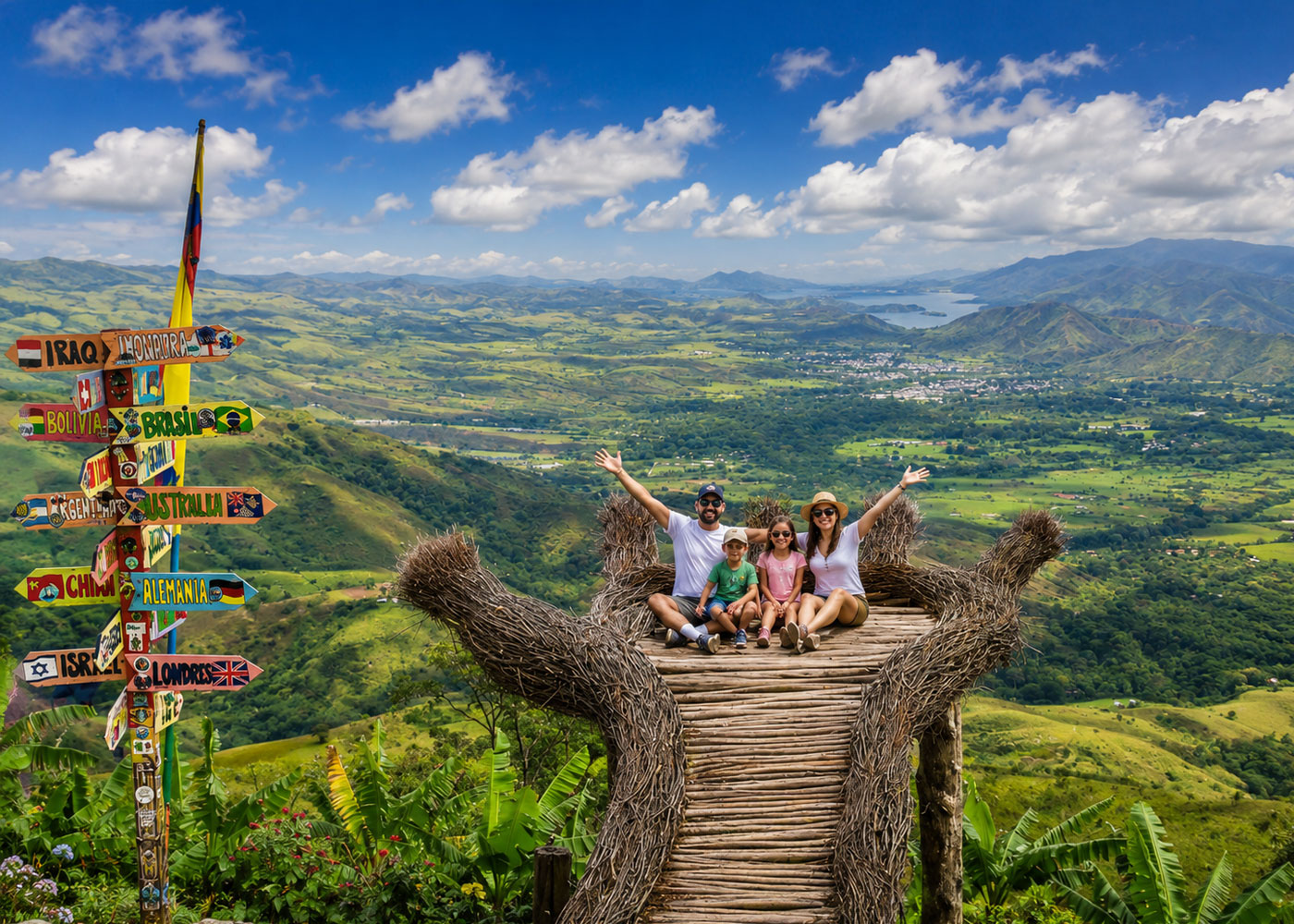
A gentler pace, calibrated transfers and activities suited to children's ages.
Colombia with kids →
Boutique hotels, lodges, private guides and curated experiences with smooth logistics.
Luxury travel →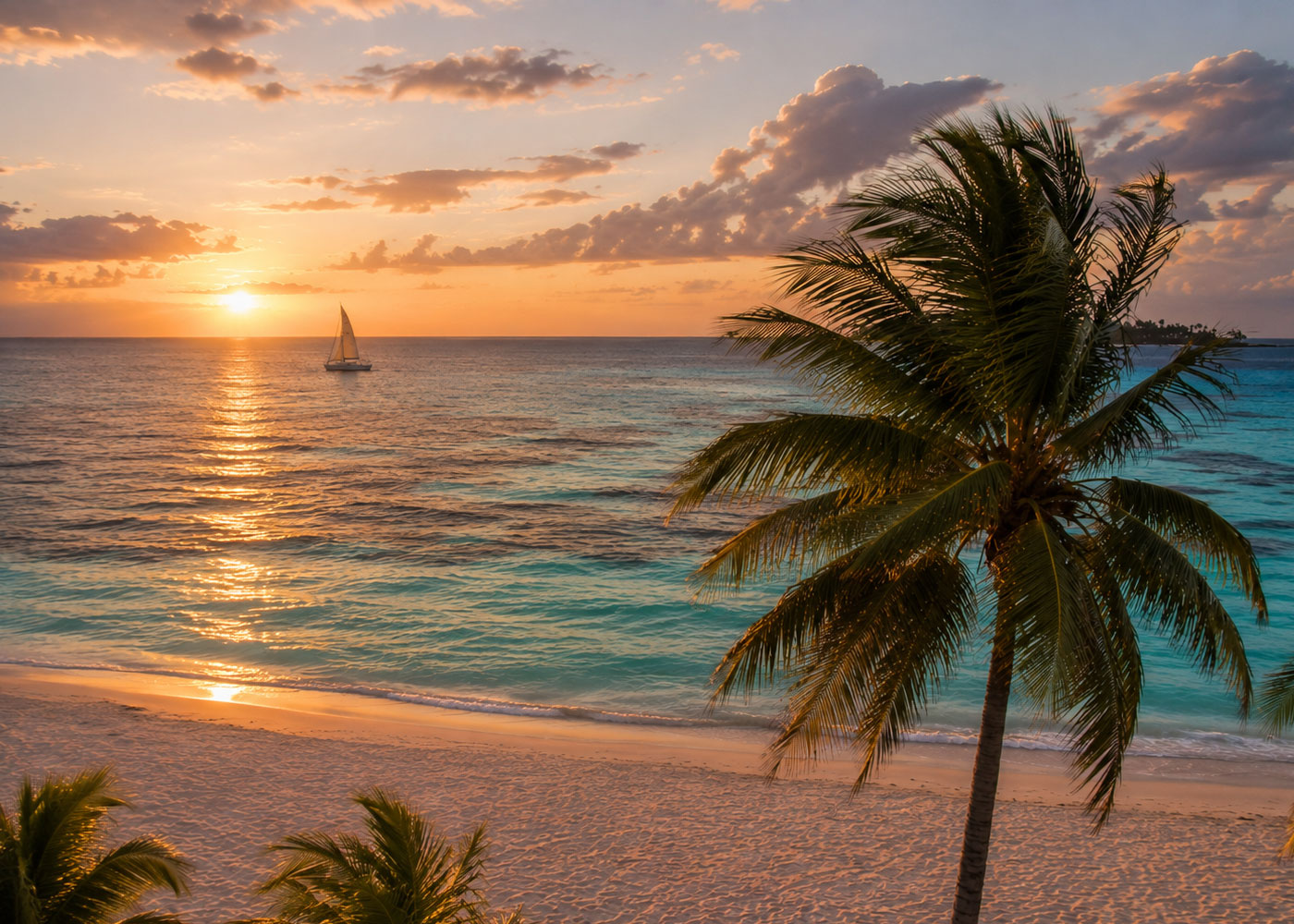
The Caribbean, archipelagos, Amazon rivers and river itineraries on the Magdalena, as an extension of a land-based trip.
Discover the boat trips →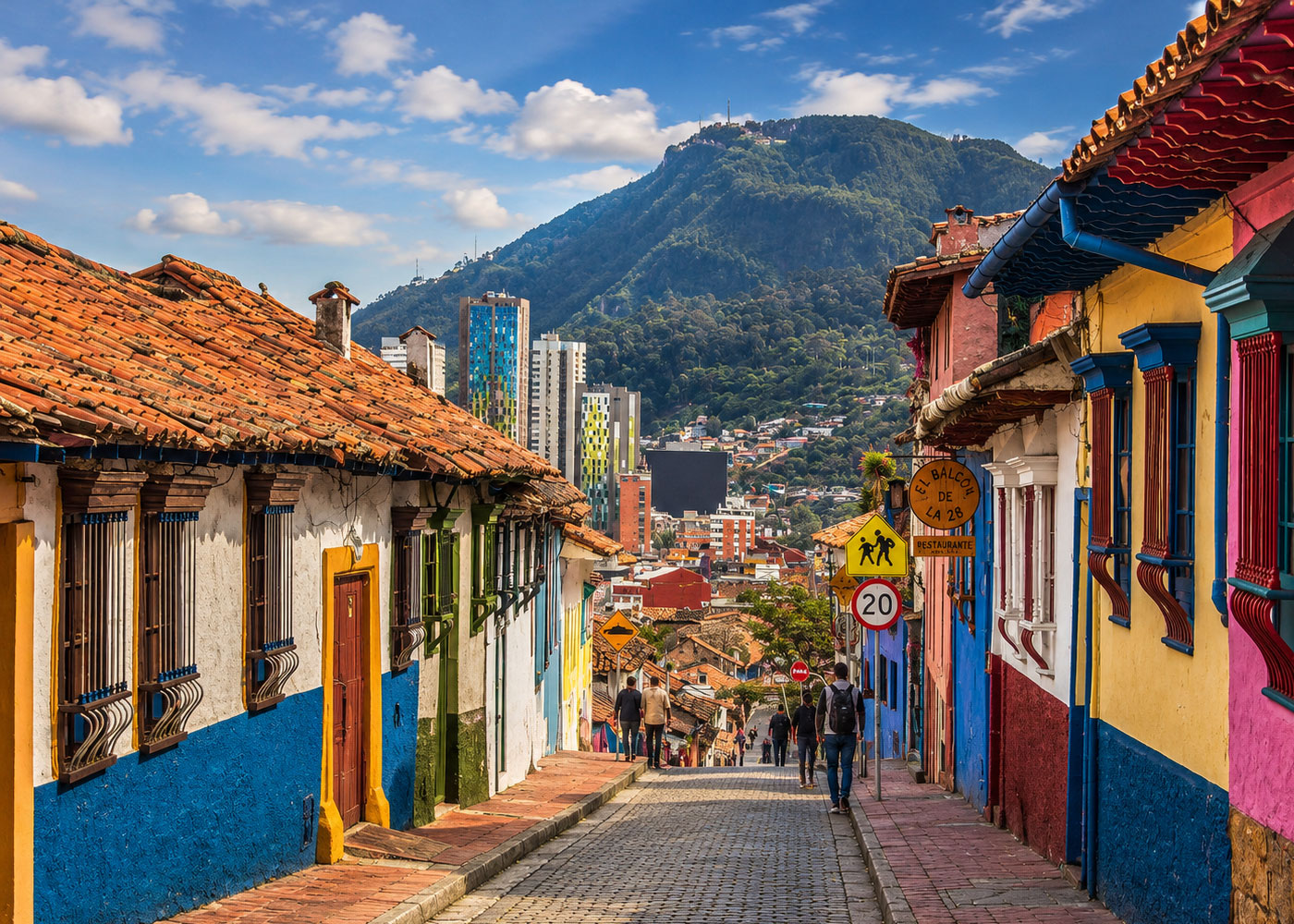
In cities like Bogotá and Cartagena, apply normal precautions with valuables and evening travel. In remote areas the main issues are weather, distances, connectivity and access to services.
Bogotá and some Andean areas sit at altitude, but the main issue is climatic variety: you move quickly from cool highlands to hot, humid tropical zones. Before leaving, check official updates and save local emergency numbers.
Read the safety guide →
Tell us when you want to travel, how many days you have, what kind of experience you're looking for and which places attract you most. We'll help you turn the initial idea into a concrete, realistic and memorable itinerary.
Request a personalized quoteFor a well-balanced first trip to Colombia, it's generally best to have at least 10–15 days, enough time to connect two macro-areas like Bogotá, Tatacoa or Tayrona Park and the Sierra Nevada without rushing. With 18–20 days or more you can add a third stop, such as San Andrés and Providencia or Guatapé and Antioquia, without turning the itinerary into a continuous sequence of transfers.
The best time to go to Colombia depends a lot on the region: Colombia is tropical and its climate depends above all on altitude and region. In many Andean and Caribbean areas, the driest periods fall between December and March and, partly, between July and August. April–May and October–November tend to be rainier, with frequent afternoon downpours.
Yes: a honeymoon in Colombia works very well when the couple is looking for an authentic experience rather than a standard package. Tatacoa, Tayrona Park and the Sierra Nevada, and Boyacá and its high-altitude vineyards let you combine spectacular landscapes, charming lodges and days with a more relaxed pace than a classic itinerary.
Yes, a trip to Colombia with kids is absolutely doable with an itinerary calibrated to age, transfers and climate. For a first family experience, comfortable bases like Bogotá, Cartagena and Guatapé and Antioquia are useful, offering good services and manageable travel times. More demanding areas, like Tatacoa or Tayrona Park and the Sierra Nevada, should be introduced gradually.
It depends on the type of itinerary. Self-guided travel in Colombia suits simple programs with few areas and direct connections. A tailor-made organized trip becomes more worthwhile when remote areas, many domestic transfers, high altitudes or activities requiring authorized guides and advance bookings come into play (Tayrona Park, San Andrés, demanding treks).
The cost of a trip to Colombia varies a lot based on international and domestic flights, hotel category, number of regions visited, and private services and excursions included. Remote areas and lodges with limited availability (Tayrona Park, San Andrés) affect the overall budget more than the big cities do. For a realistic quote, it's always best to start from a concrete itinerary.
Yes: a combined trip to Colombia and Ecuador, or a route that adds Panama, is often a very sensible choice thanks to the connections between the countries. The combination should be planned around real flight or transfer times, not just geographic proximity on a map.
Practical guides to help you choose when to go, what to see, and how to build the itinerary that's right for you.
No filters, no intermediaries — with local operators in Lima, Cusco and Arequipa