The Lost City of the Incas – think the unimaginable: discover Machu Picchu!



Travel local, live responsibly — no filters, no middlemen
The Lost City of the Incas – think the unimaginable: discover Machu Picchu!
In the Quechua language, Machu Picchu means “Old Peak” and is one of the most important cultural sites in Latin America. Set at 2,430 meters above sea level, it was named one of the New Seven Wonders of the World in 2007 in recognition of its origins. Its architecture is an outstanding example of the use of natural materials, with enormous walls, terraces and ramps that appear carved straight from the surrounding rocky slopes.
The valleys surrounding Machu Picchu have been cultivated for more than 1,000 years and are a unique example of collaboration between people and environment. In fact, the people who live in these valleys today still maintain a lifestyle very similar to that of their Inca ancestors, one largely based on growing potatoes and corn, and raising llamas.
Built as an estate for the Inca emperor Pachacuti (1438–1472), or perhaps as a sacred religious site, the Lost City of the Incas was abandoned a century after it was built – at the time of the Spanish conquest. Machu Picchu was unknown to the Spanish conquistadors and to the outside world. But on July 24, 1911, the course of history changed. During his second exploratory journey into the Urubamba Valley, explorer and professor Hiram Bingham reached the ruins that are now world famous: Machu Picchu and Huayna Picchu. The contribution of the local farmer Melchor Arteaga was crucial in bringing the Sanctuary of Machu Picchu to light.
The discovery captured the attention of the entire world, and in particular that of Yale University and the National Geographic Society. Both institutions helped fund the exploration of the site that Bingham undertook between 1912 and 1915. According to official data from the Peruvian Government's 1916 report, during his various visits Bingham took 74 crates full of bones, mummies, ceramics, textiles, and objects in metal and wood to Yale University.
More recently, Yale University decided to return to Peru some of the thousands of artifacts that Bingham removed from Machu Picchu. Some of these objects were returned in 2010, but disagreements between Yale University and the Peruvian Government continue to this day.
If you're considering a trip to Peru, a tour to Machu Picchu is a must!
Discover our itineraries to the Lost City of the Incas
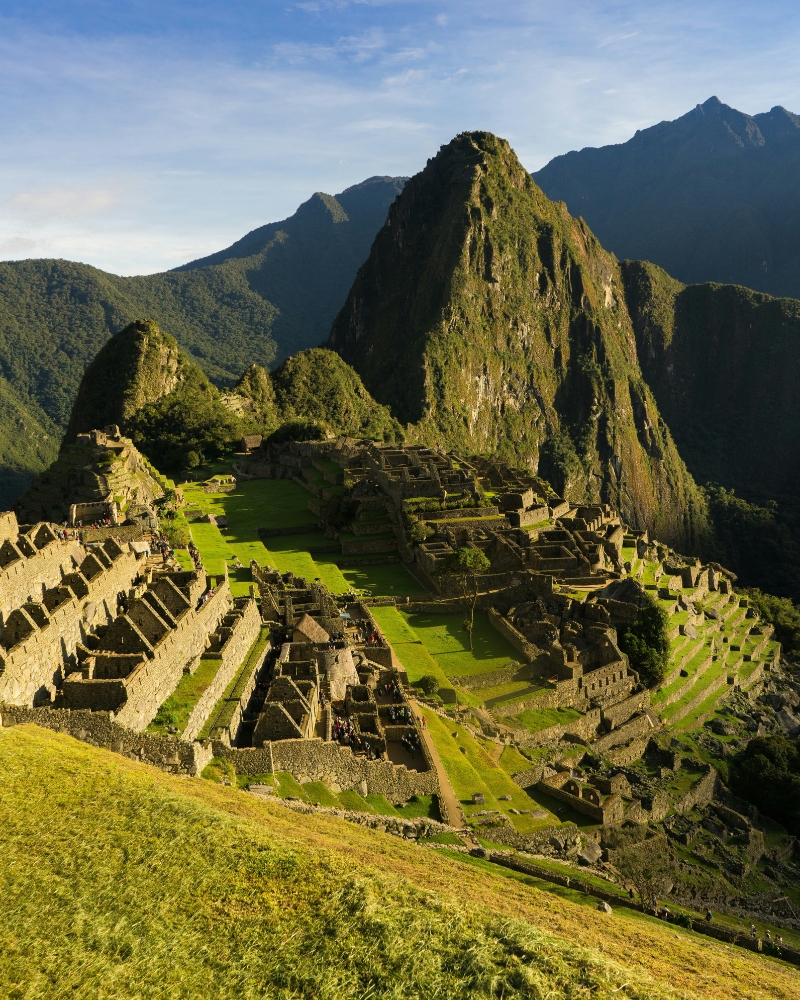
Cusco, the Sacred Valley and Machu Picchu: the timeless classic for discovering the heart of the Inca empire.
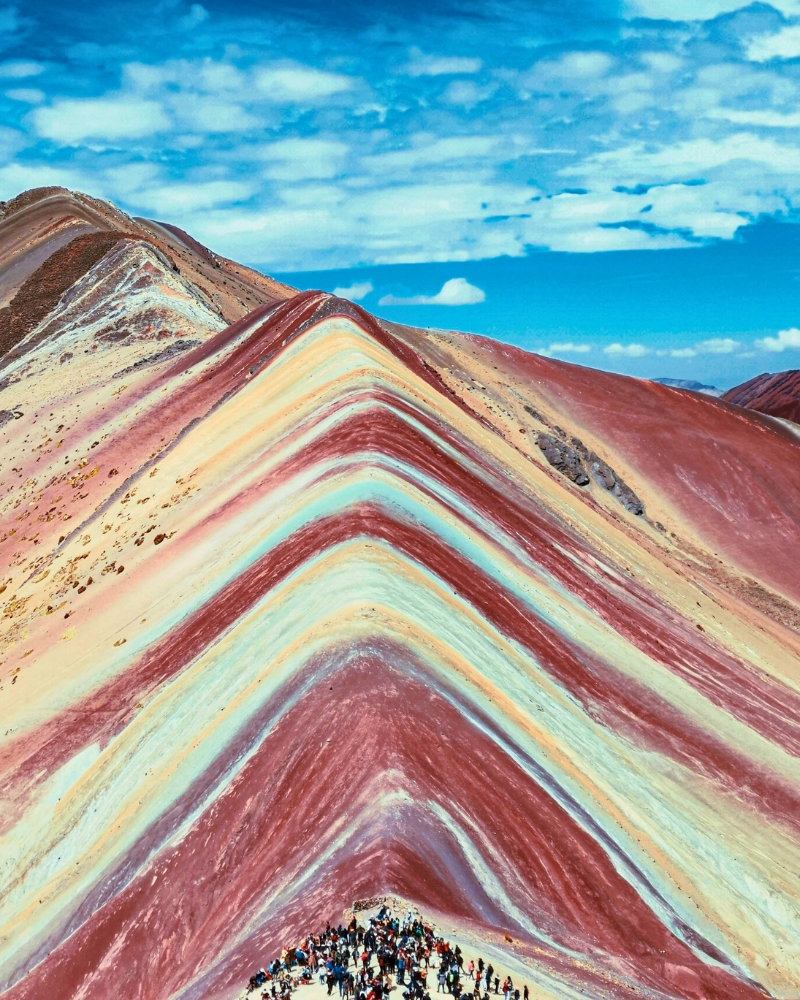
Trekking in the footsteps of the Incas to the Lost City, through breathtaking Andean landscapes.

From the Bolivian salt desert to the Inca ruins: an unforgettable double experience.
No filters, no middlemen — with local operators in Lima, Cusco and Arequipa