The living laboratory of evolution – an archipelago where wildlife is unafraid of humans.


Travel local, live responsibly — no filters, no middlemen
The living laboratory of evolution – an archipelago where wildlife is unafraid of humans.
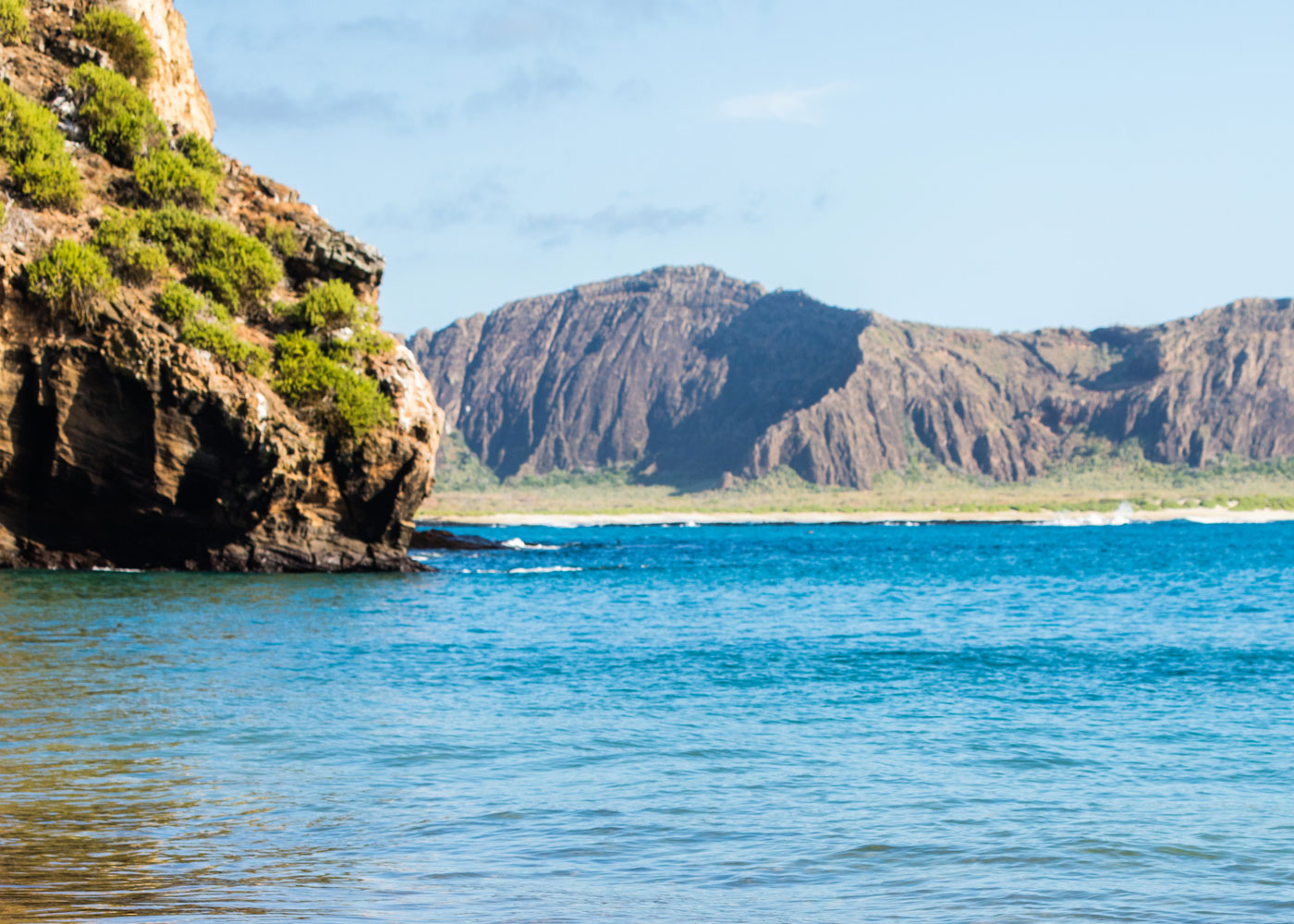
Located about 1,000 km off the Ecuadorian coast, the Galápagos Islands are a volcanic archipelago made up of 13 main islands and dozens of islets. It was here that, in 1835, the naturalist Charles Darwin gathered the observations that would later inspire the theory of evolution by natural selection, published in "On the Origin of Species".
Thanks to their geographic isolation, the Galápagos are home to wildlife found nowhere else on Earth: the giant tortoises that give the archipelago its name, the world's only marine iguanas, blue-footed boobies, sea lions that share the beaches with visitors without any fear, and Galápagos penguins, the only ones living north of the equator.
Declared a UNESCO World Heritage Site in 1978 (among the first sites in the world) and a Biosphere Reserve, 97% of the archipelago's land area is protected, while the surrounding waters form one of the largest marine reserves on the planet. Tourism is carefully regulated to preserve this fragile and extraordinary ecosystem.
Among the most beloved stops are Santa Cruz, home to the Charles Darwin Research Station; Isabela, the largest island in the archipelago with its active volcanoes; San Cristóbal, home to the provincial capital; and Bartolomé, famous for the view over Pinnacle Rock, one of the most photographed landscapes in the Galápagos.
If you're considering a trip to Ecuador, the Galápagos Islands are an unrepeatable natural experience!
No organised tour covers this destination yet: tell us what you'd like to see and we'll build your itinerary together, with no filters and no middlemen.
No filters, no middlemen — with local operators in Lima, Cusco and Arequipa