

Travel local, live responsibly — no filters, no intermediaries
Bolivia is a country that borders Peru and can be visited as a stand-alone destination or combined with a trip to Peru or Chile. Like all our South America tours, Bolivia also offers a range of destinations including La Paz, Copacabana, Potosi, Uyuni, Sucre and Santa Cruz. Our tours to Bolivia include lively cities and natural landscapes of great beauty, including the Uyuni salt flats, Lake Titicaca and many national parks. You'll get a better understanding of the differences between the Quechua, Spanish and Aymara cultures that have shaped Bolivia's rich and fascinating history.

Bolivia is a country of diversity, a vastness and richness available at every turn. Completely landlocked by its neighboring South American countries, Bolivia has managed to carve out its own traditions and cultures. Tour the fascinating and ancient ruins of Tiwanaku, visit the witches' market in La Paz, learn about the mining traditions at Cerro Rico and be amazed by the starkness of the Salar de Uyuni set against the blue sky. Coca tea will be in abundance as you get used to the dizzying altitudes of La Paz and Potosi, two of the highest cities in the world. Welcome to Bolivia!

Our unrivalled Highlights of Bolivia Tour offers an itinerary over hill and vale to discover what this fascinating country has to offer. Nature lovers will enjoy the beauteous landscape and the distinctiveness of the stunning flora and fauna. Historians will marvel at the gems which unfold during the noteworthy city tours of Sucre, Potosi, Santa Cruz and La Paz. Take a step back in time as you delve into the Tiwanaku ruins and acquaint yourself with the traditions of the locals on Isla del Sol. The barrenness of the desert and the allure of the Salar de Uyuni offer a unique experience and provide a snapshot of the complexities which make Bolivia a must-see destination.
Bolivia alternates Andean highlands, the great Uyuni salt desert, and milder valleys: choosing the right time of year mainly depends on what you want to see of the Salar.
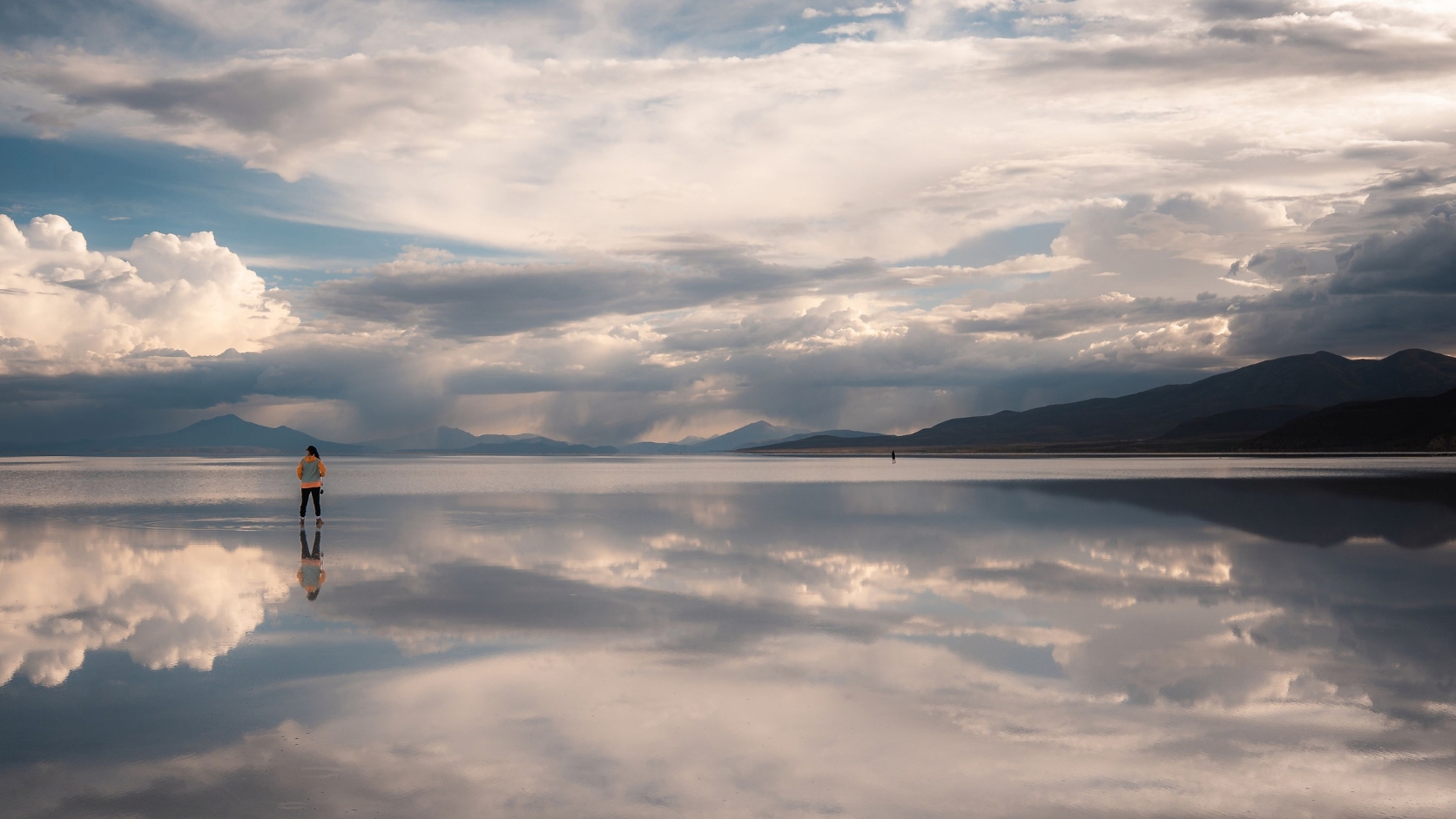
In the dry season, from May to November, the salt flat appears as an immense, compact white expanse, perfect for the classic perspective photos. In the rainy season, between January and April, a thin layer of water turns the Salar into a giant mirror reflecting the sky.
Temperatures at altitude stay cool all year round, with consistently cold nights due to the elevation. The dry season (April-October) offers sunnier, more stable days for visiting the city and its surroundings.
The climate is dry and sunny for most of the year, with cold winters (June-August), especially at night. Spring and autumn are the most balanced times to visit the Cerro Rico mines and Sucre's historic center.
April, May, September and October combine good weather across the country, letting you choose whether to see the dry Salar or take advantage of the first rains for the mirror effect.
To discover La Paz, the Salar de Uyuni and one of the two colonial cities between Sucre and Potosí, we recommend at least 8-10 days, keeping in mind that internal transfers, often by road, take longer than in other countries in the region. With 12-15 days you can comfortably add Lake Titicaca and Copacabana, plus a few extra days to acclimatize to the altitude, particularly useful for those arriving directly in La Paz, which sits above 3,600 meters.
The answer depends on the experience you want. If your goal is the iconic mirror effect, with the sky perfectly reflected on the water, the ideal period is between January and April, when the seasonal rains leave a thin layer of water on the salt flat's surface. If you prefer the classic white, compact landscape, perfect for the famous perspective photos and for moving freely in every direction, it's better to choose the dry season, between May and November, when the ground is more stable and accessible everywhere.
La Paz and much of the Bolivian highlands often exceed 3,600-4,000 meters in altitude, and some viewpoints during transfers toward the Salar de Uyuni reach as high as 4,500-5,000 meters. For this reason we always recommend a couple of days of gradual acclimatization before more demanding activities, drinking plenty of water, avoiding alcohol in the first 24-48 hours, and sipping the traditional coca tea, a widely used local remedy for altitude sickness (soroche). Anyone with heart or respiratory conditions should consult their doctor before departure.
Yes, Bolivia fits very well into broader itineraries. The most natural combination is with Peru, via Lake Titicaca: from Copacabana you can easily reach Puno in a few hours by bus, allowing you to visit the lake's islands from both shores. Equally common is the combination with Chile, through the San Pedro de Atacama border, connecting the Salar de Uyuni to the Atacama Desert on a scenic two- or three-day jeep route across the Andean highlands, through colorful lagoons, geysers and volcanoes.
Contact us to plan your tailor-made trip: we'll be happy to accompany you on this unforgettable adventure.
No filters, no intermediaries — with local operators in Lima, Cusco and Arequipa