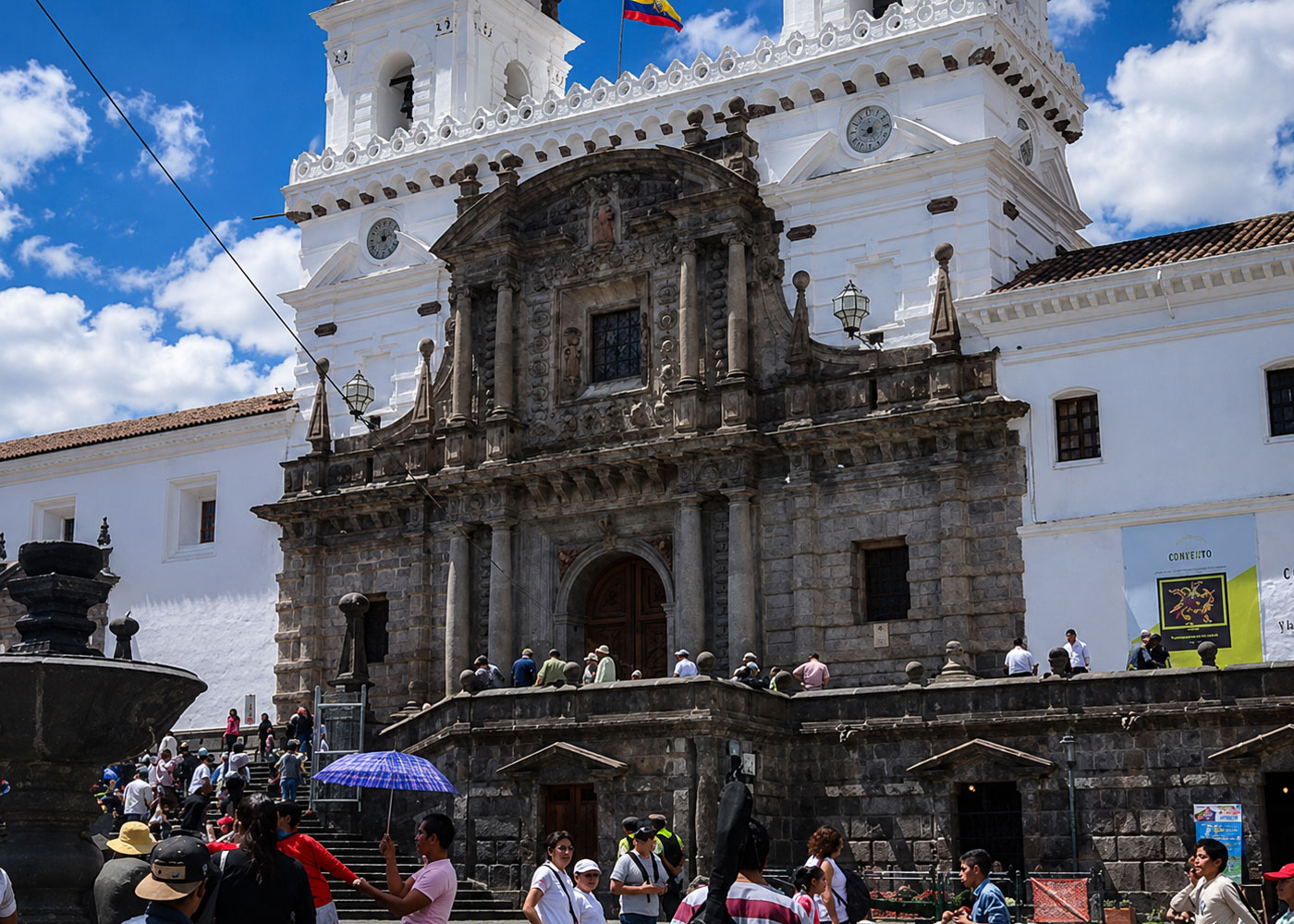
10-Day Ecuador Itinerary
A compact first itinerary between cities and iconic landscapes, with relatively simple transfers and enough time to settle into the country's rhythm.
Quito, Cuenca and the Avenue of the Volcanoes →

From Quito to the Avenue of the Volcanoes, from the Ecuadorian Amazon to the Galápagos Islands: a complete guide to understanding when to go, what to see, how many days you need and how to build a tailor-made trip to Ecuador.
Travel local, live responsibly — no filters, no middlemen

A trip to Ecuador works when it brings together landscape, culture and logistics. From Quito to the Avenue of the Volcanoes, from the Ecuadorian Amazon to the Galápagos Islands, the distances and changes in altitude or climate make it important to choose a few areas and dedicate the right amount of time to each.
This page is a general guide: it helps you get your bearings among destinations, seasons, costs and itineraries, while the detail pages go deeper into each topic.
Learn More About What to See in Ecuador →Ecuador isn't best visited by piling on too many stops. The best choice comes from the days available, the season, your interests and your desired pace.
A compact first itinerary between cities and iconic landscapes, with relatively simple transfers and enough time to settle into the country's rhythm.
Quito, Cuenca and the Avenue of the Volcanoes →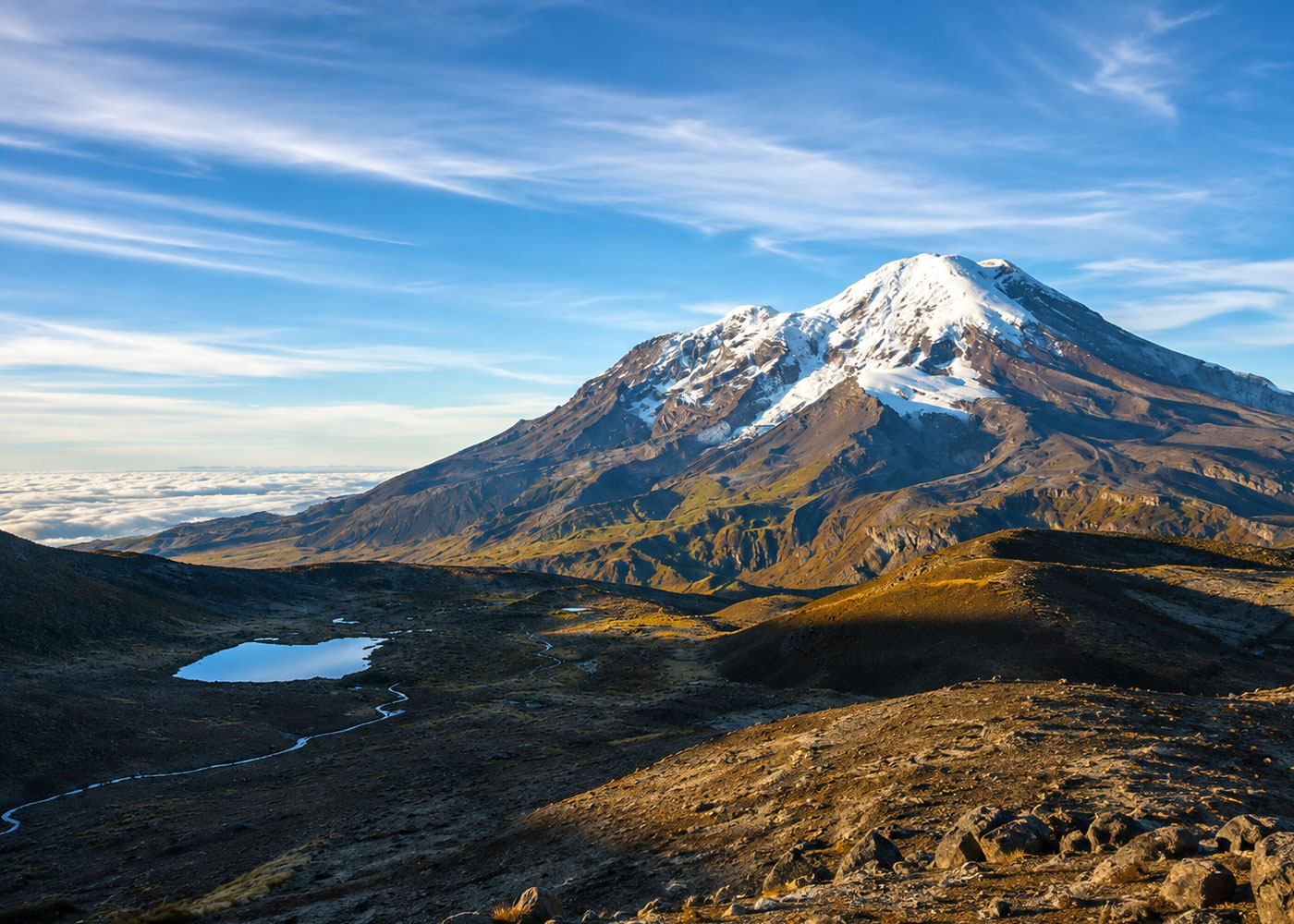
Two very different regions for a more complete trip, to be connected carefully with attention to flights, roads, altitude and seasonality.
The Avenue of the Volcanoes and the Ecuadorian Amazon →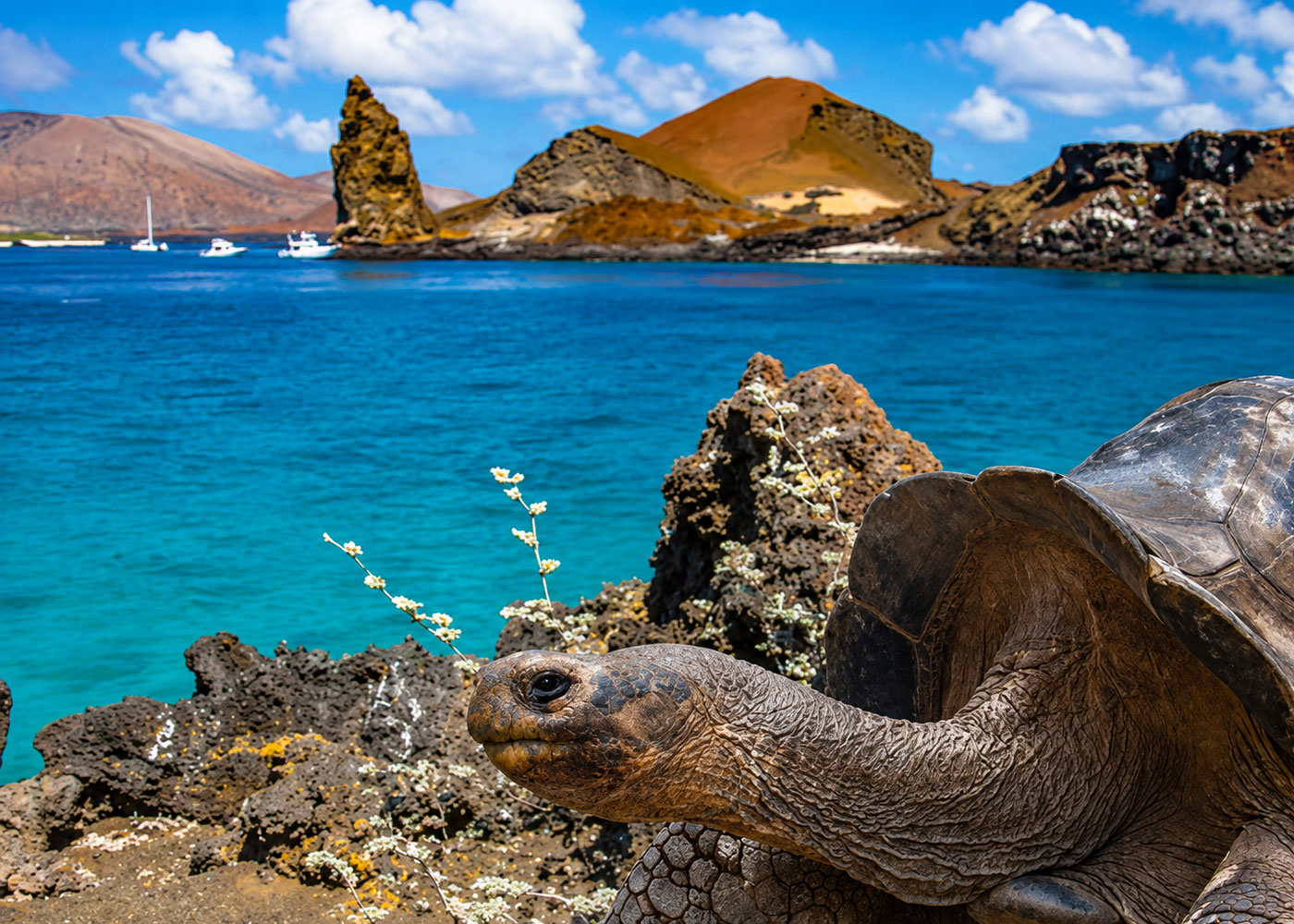
With more days you can add a third area without turning the trip into a sequence of transfers.
Add the Galápagos, Otavalo or Mindo →Use this table as an initial compass: each area has its own identity, a best season and a different level of logistical complexity.

Ecuador can be visited all year round, but climate and rainfall vary between the Andes, the Amazon, the coast and the Galápagos. In the Sierra, June–September tends to be drier; in the Galápagos, January–May is warmer, while June–December is cooler and drier.
For a first trip, June, July, September and December are often months worth considering carefully. The final choice depends on the regions included and the planned activities.
Read the Month-by-Month Guide →
Excellent for Quito, the Avenue of the Volcanoes, Cuenca and first departures south.
High season for the Ecuadorian Amazon, trekking, lakes, and Mindo and the cloud forest.
A scenic transition season, fewer crowds and good photography opportunities.
Ideal for the north, Quito and select activities; less suited to the classic Ecuadorian Amazon.
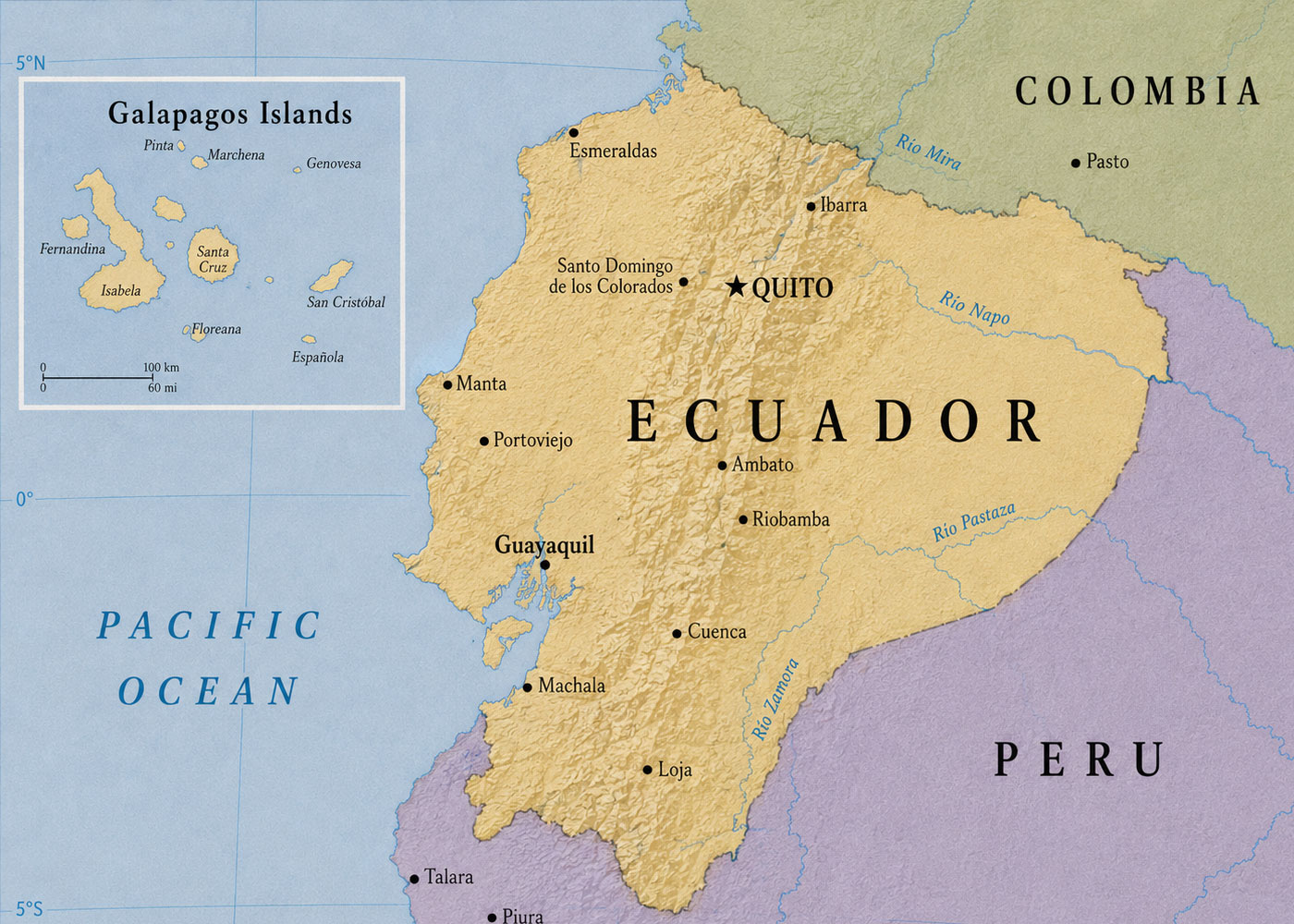
The most important macro-areas to consider. Each destination has a dedicated page with itineraries, practical tips and the best time to visit.
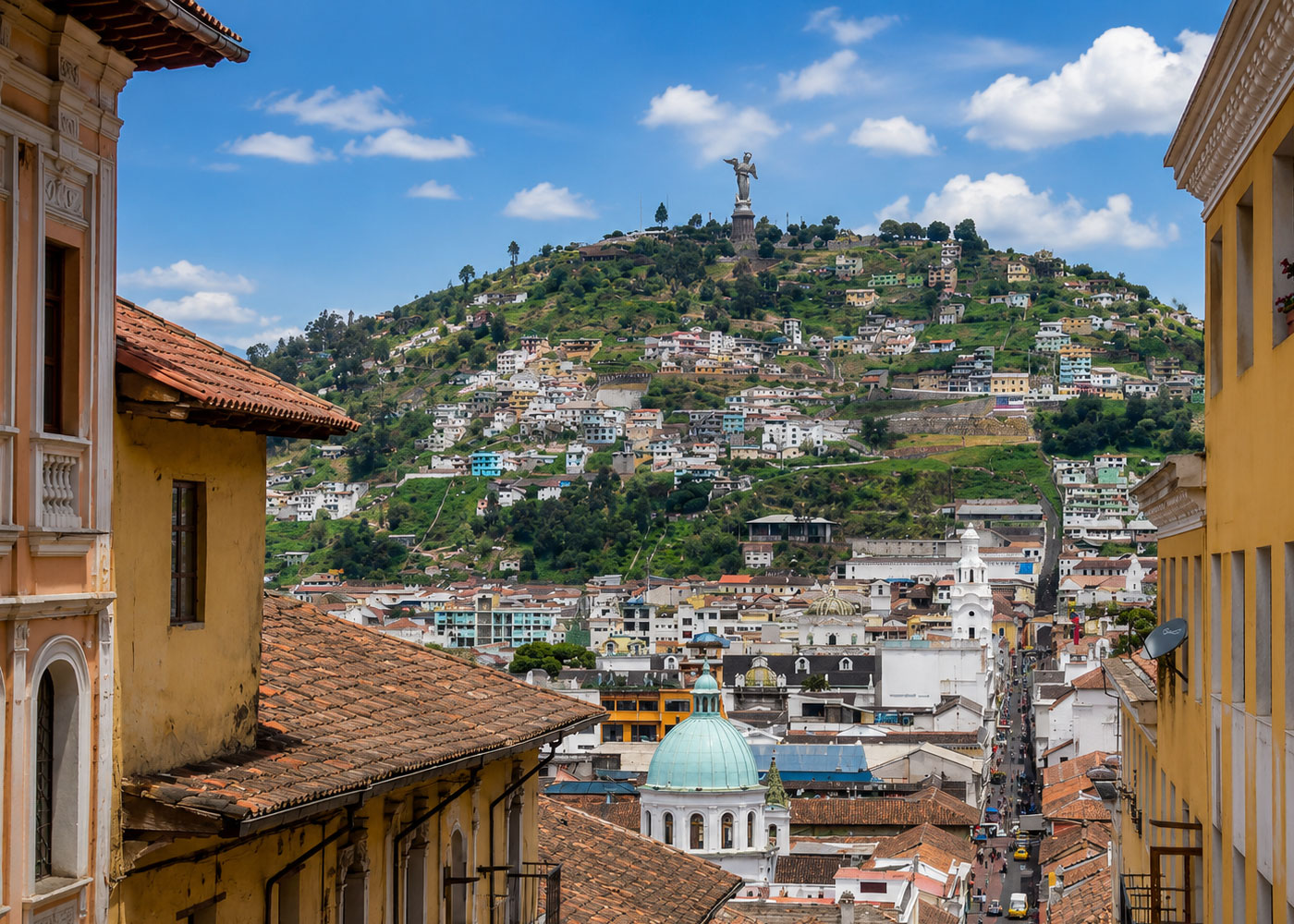
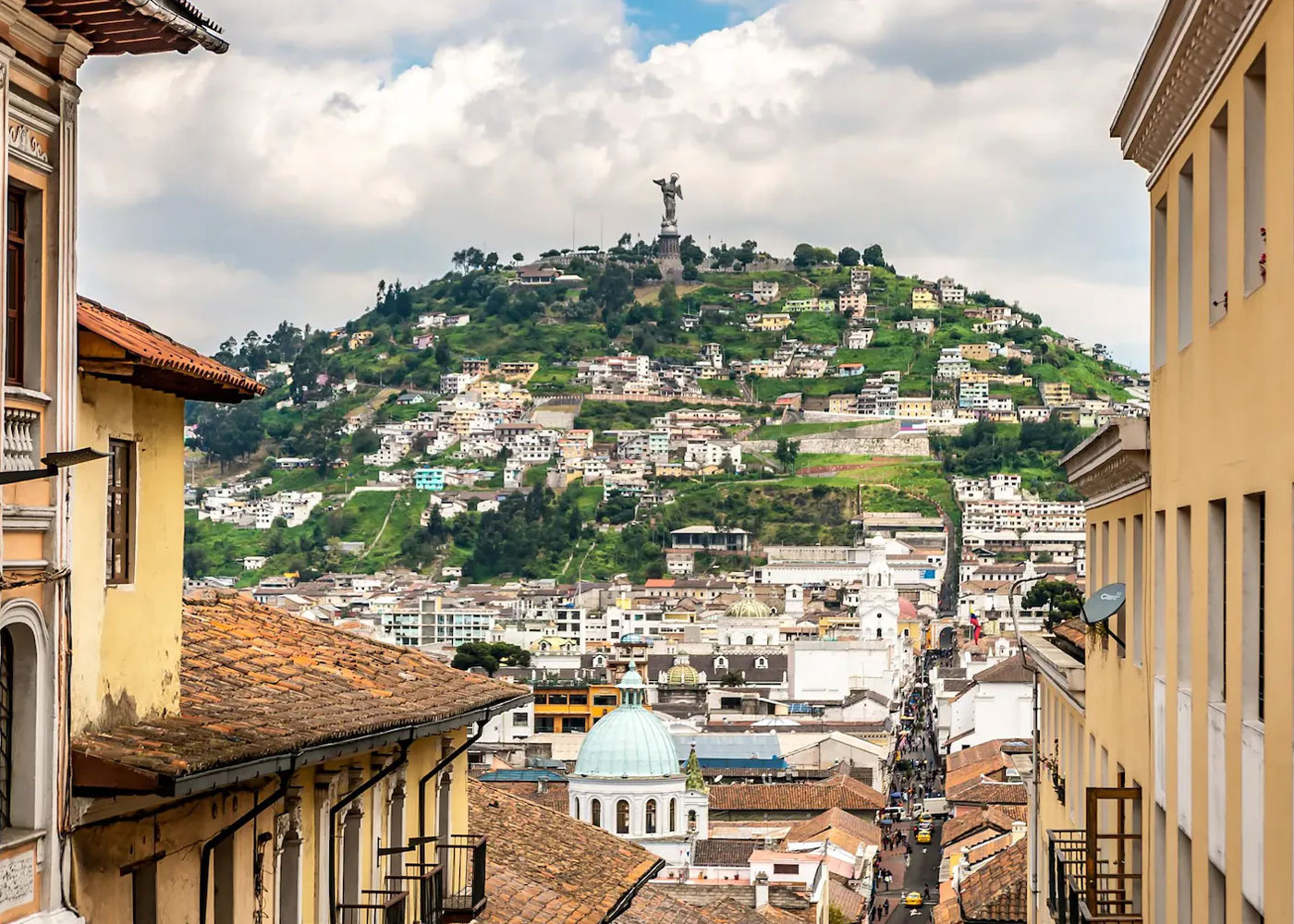
The country's gateway, a logistical base and a city to experience through Andean culture and cuisine.
Guida a Quito →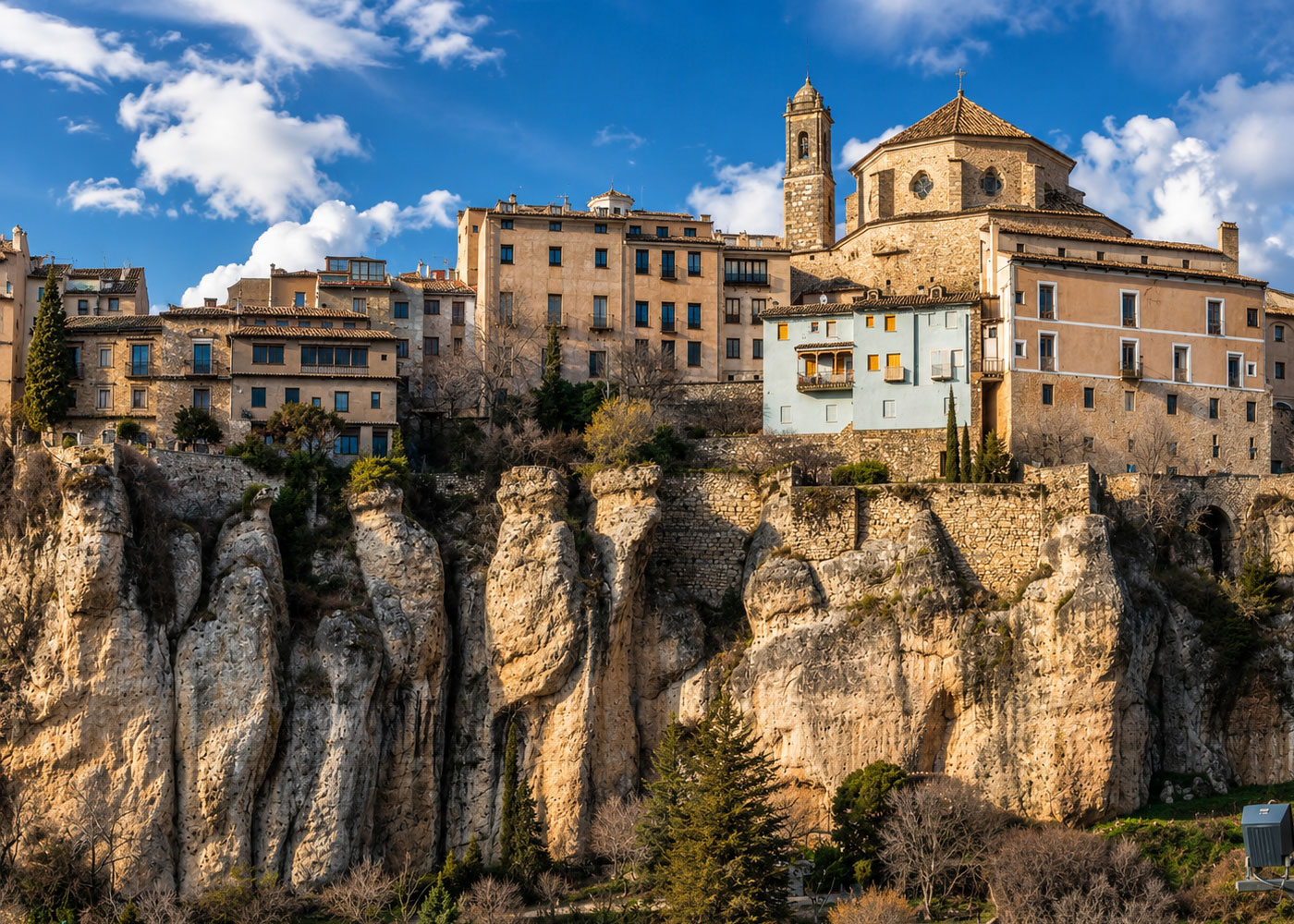
A second urban stop with history, architecture and a different pace than Quito.
Guida a Cuenca →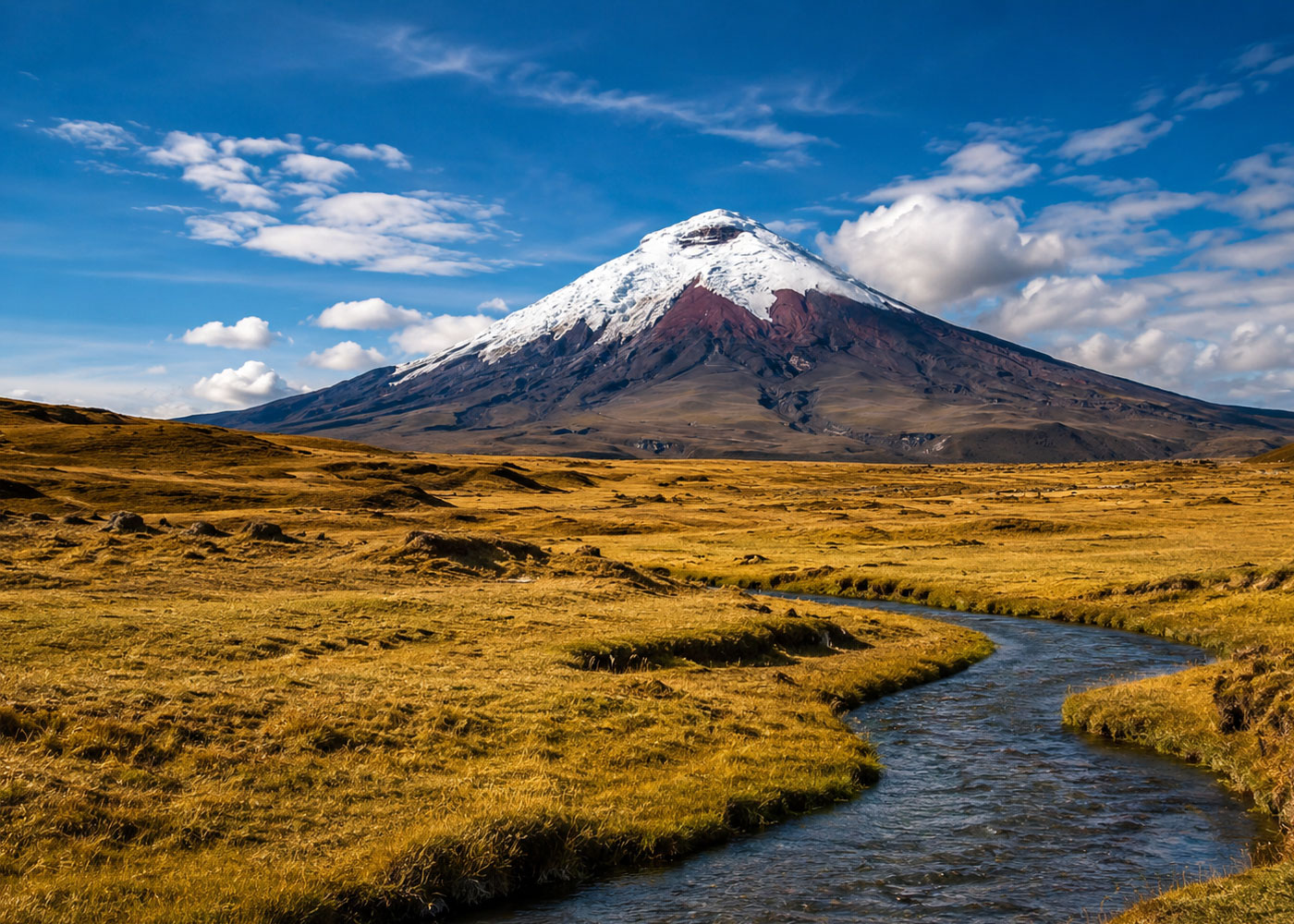
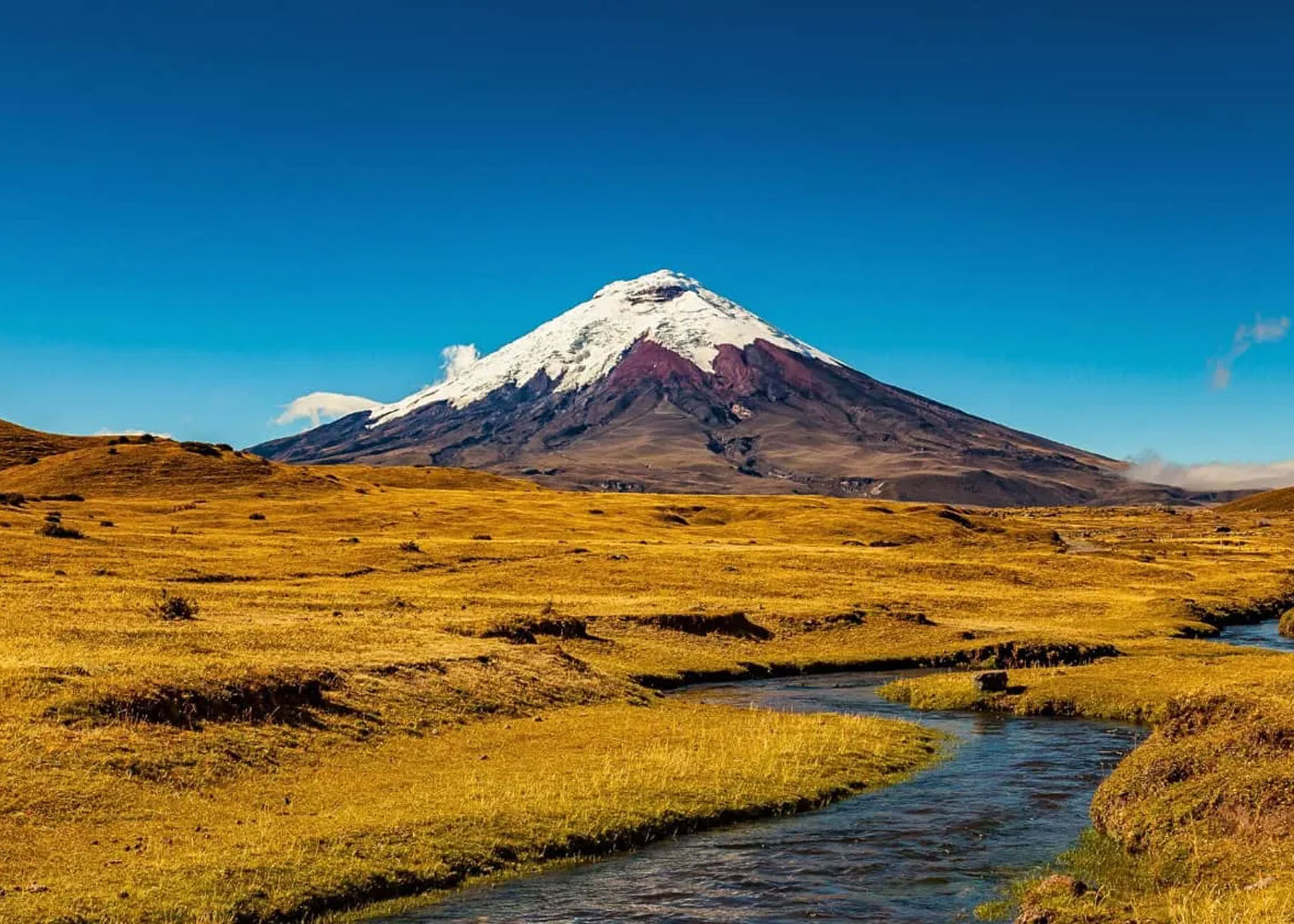
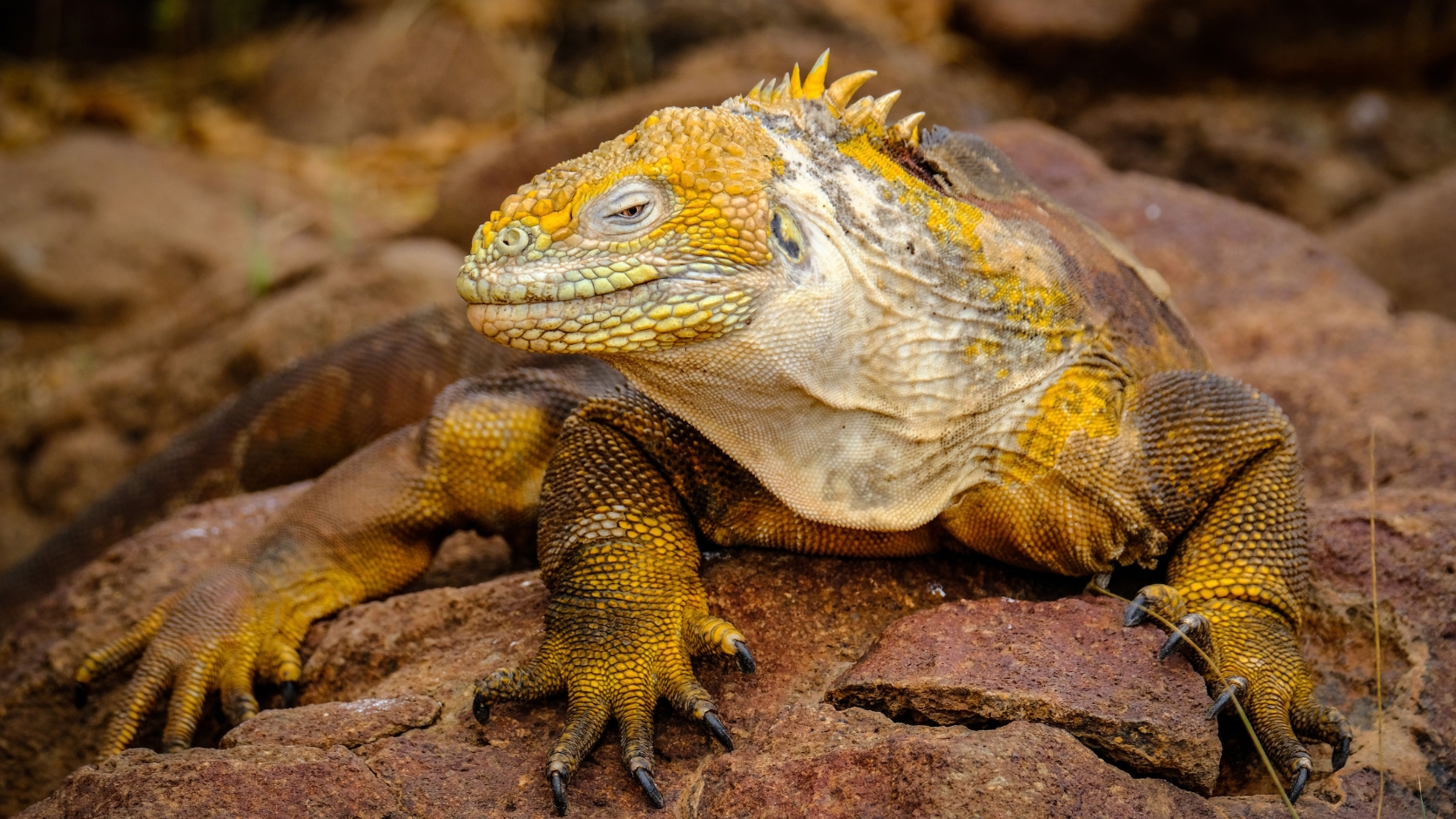
One of the country's most striking scenic areas, to be organized with attention to timing, altitude, weather and distances.
Guide to the Avenue of the Volcanoes →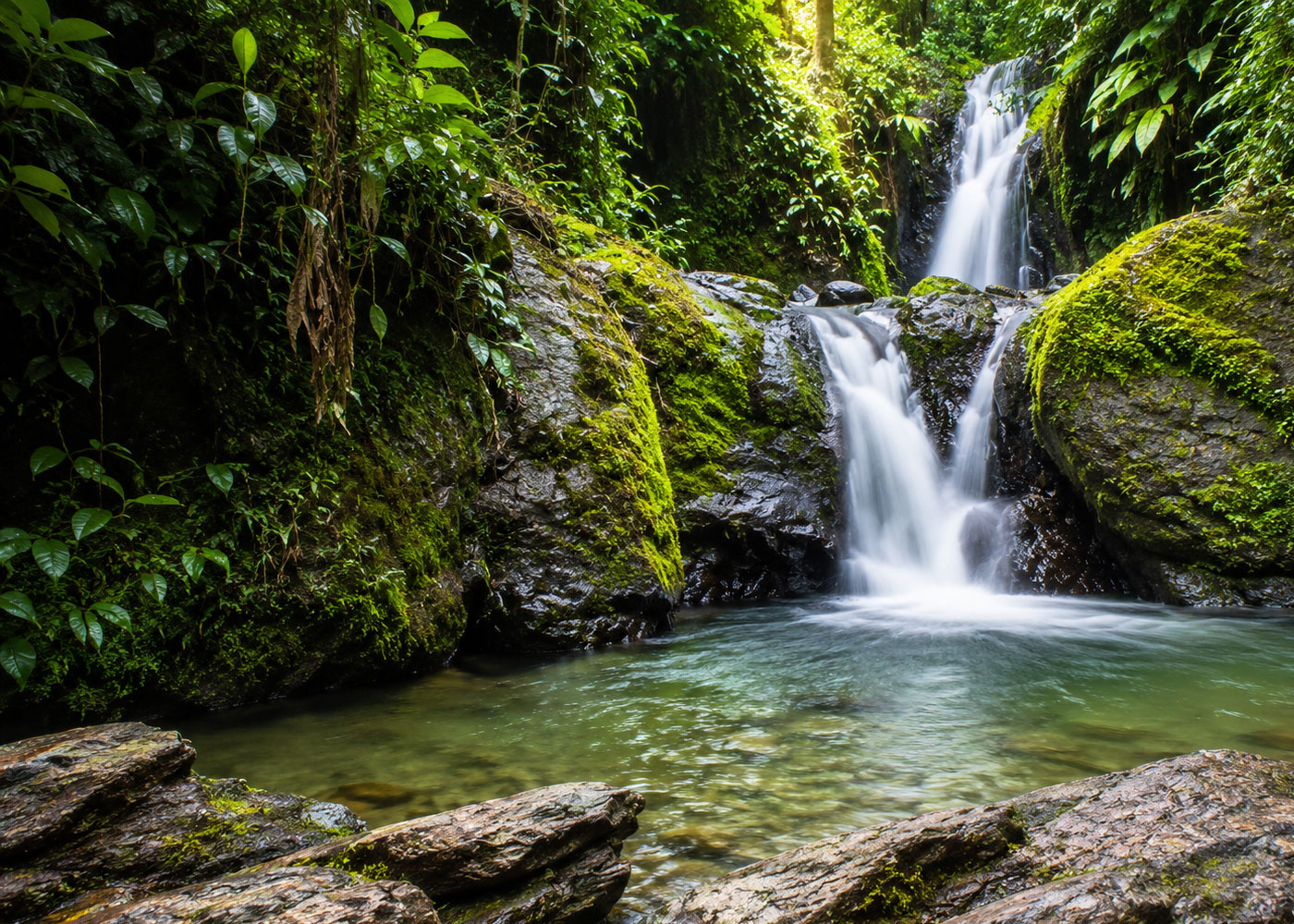
Cloud forest, waterfalls and birdwatching: an area ideal for those who love road-trip itineraries and a less standardized trip.
Guida a Mindo →
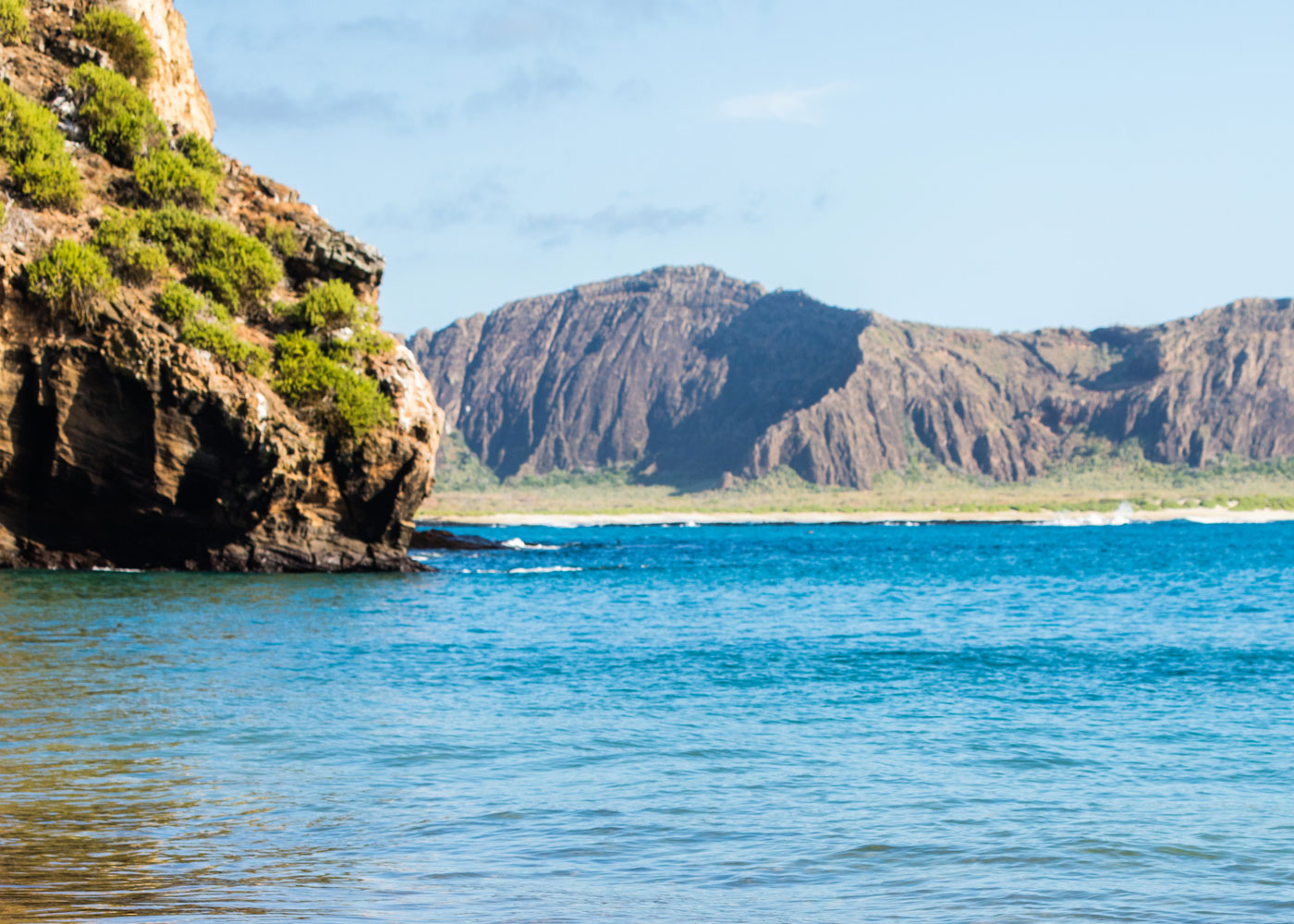
A special stop to add culture, nature and geographic isolation to a more classic itinerary.
Guide to the Galápagos Islands →
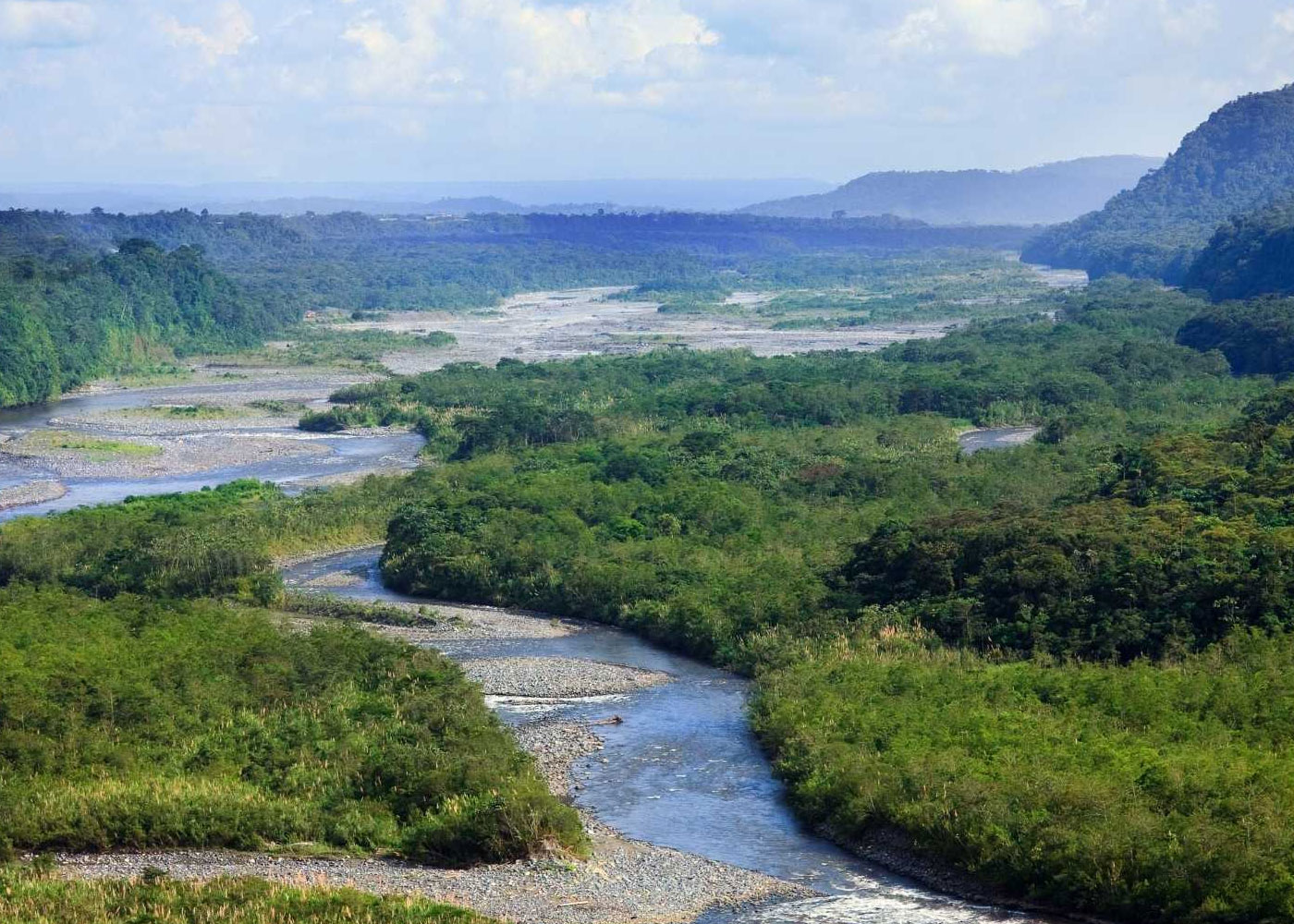
An area suited to slower paces, outdoor activities and multi-night stays.
Guida a Otavalo →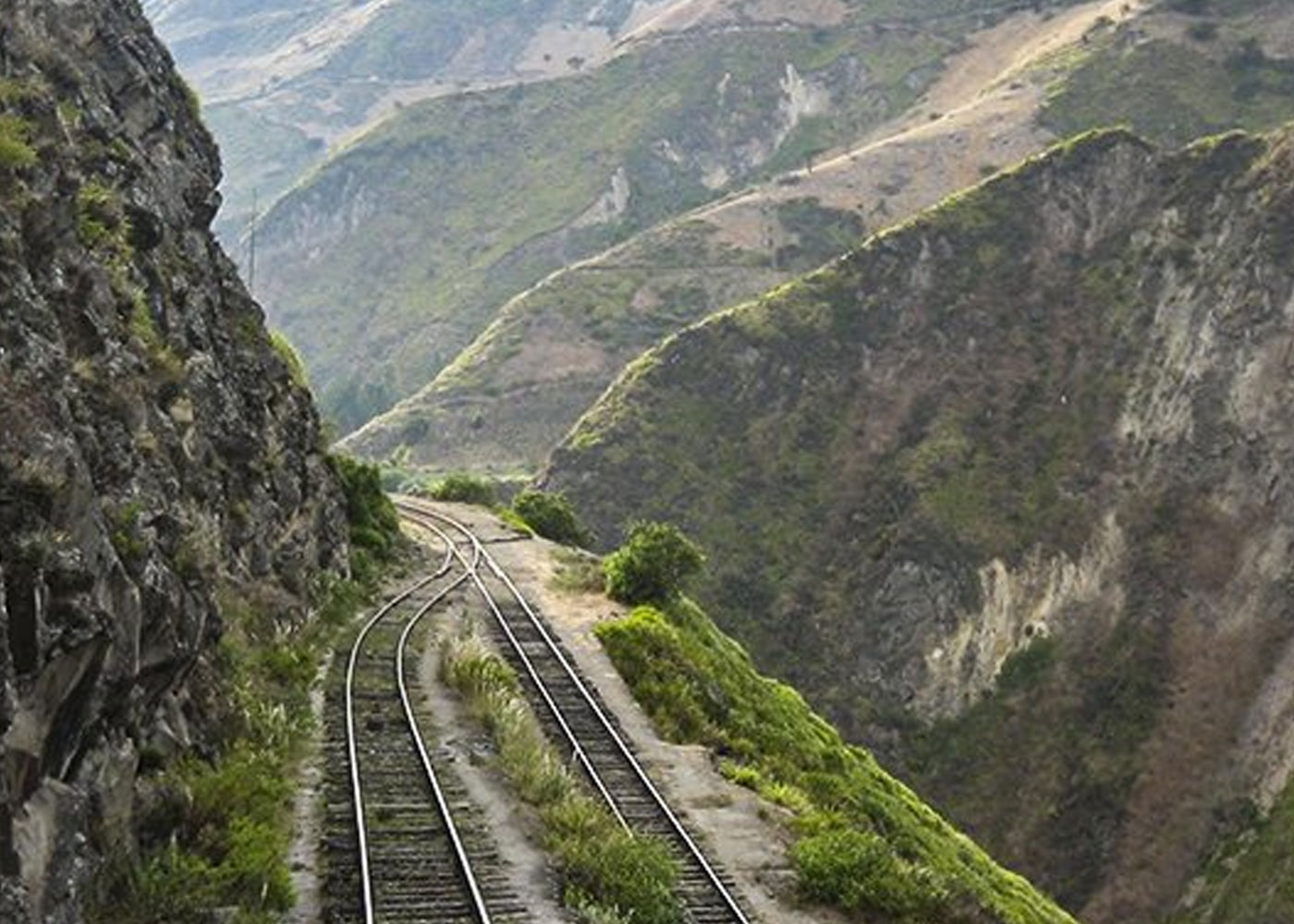
Logistics vary a lot from region to region. Between Quito, the Avenue of the Volcanoes, the Ecuadorian Amazon and the Galápagos Islands, you may need flights, long-distance buses or private transfers.
Rather than adding up kilometers, it's worth thinking in terms of real door-to-door times: connections, check-in, ground transfers and possible weather margins.
The suggestions below are outlines to adapt to season, budget, flights and personal interests.
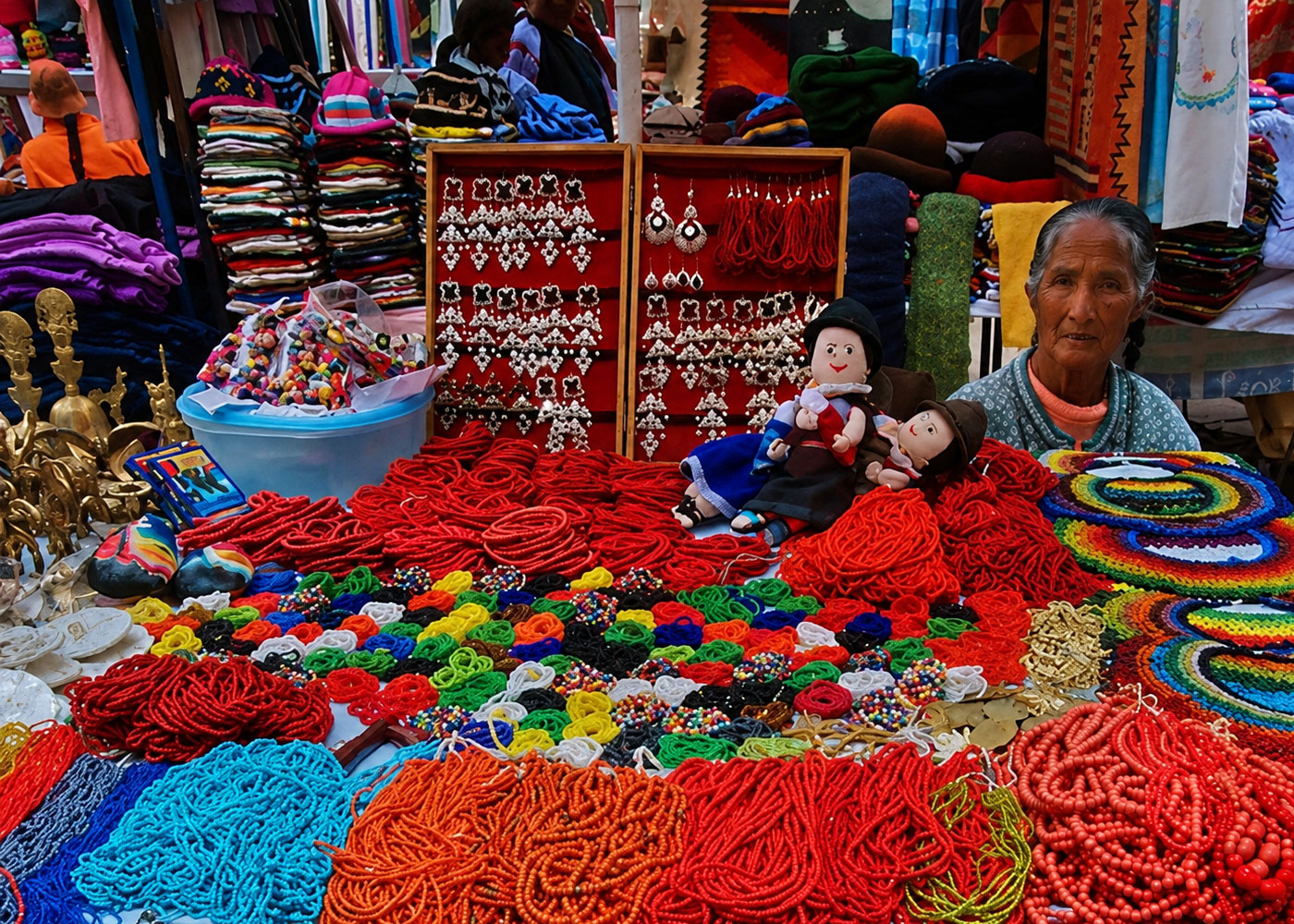
An introductory itinerary with few areas and controlled transfers.
Discover Our Options →
Two very different macro-regions, with more room for nature experiences.
Discover Our Options →
A deeper trip, with room for a third area without compressing the schedule.
Discover Our Options →Send us the dates, the number of days and the areas you're interested in. We'll help you figure out what to keep, what to cut, and how to make the trip flow better.
Request Travel AdviceThe budget depends mainly on international and domestic flights, hotel category, number of areas, private services and excursions. Remote areas and lodges with limited availability have more impact than the main cities.
To compare different itineraries, it helps to separate fixed costs, logistics and activities: a simpler program can turn out better even without being the cheapest overall.
Learn More About the Cost of a Trip to Ecuador →
Going self-guided works well with few stops, simple connections and enough time to handle bookings and the unexpected.
A tailor-made organized itinerary is more useful when high altitudes, remote areas, many transfers, or activities requiring guides and advance bookings come into play.
Compare Self-Guided and Organized Trips →The most frequent mistakes come from overly dense itineraries, underestimated transfer times, and too little attention to season, altitude or local conditions.
A few well-experienced areas beat many places linked by constant transfers.
A small buffer helps when flights, roads or outdoor activities depend on the day's weather.
Quito, Cotopaxi, Quilotoa and many stops in the Sierra sit at high altitude: alternate active days with rest, stay hydrated and gain altitude gradually.
Flights, lodges, entrance fees and guides can have limited availability during the best periods.
Before every trip, check entry requirements, documents, any registrations, park rules and the operating conditions of activities on up-to-date official sources.
For protected areas, archaeological sites or remote regions, bookings, authorized guides or specific procedures may be required: check these separately for each stop.
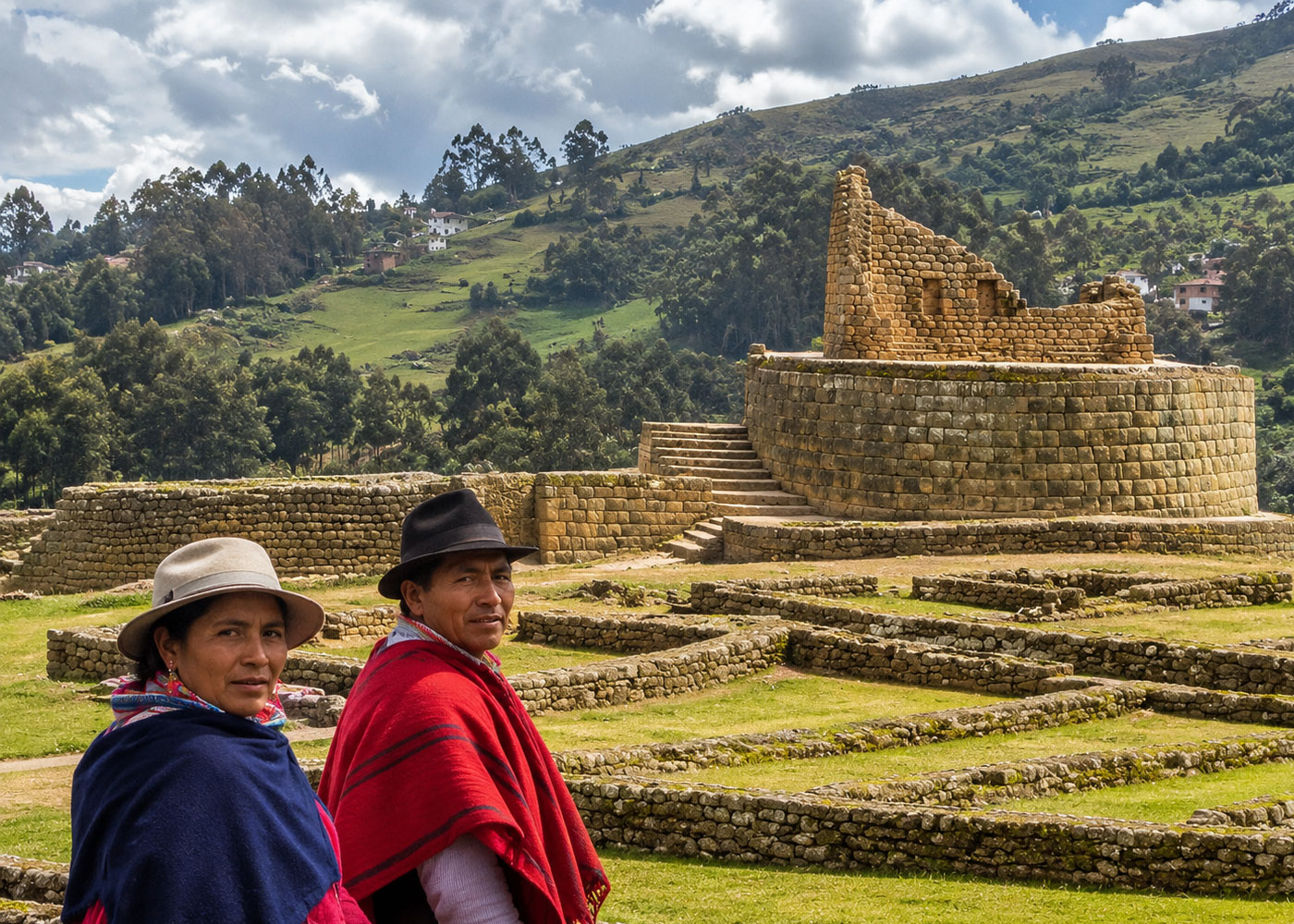
The same destination can become a romantic, photographic, nature-focused, active or slow trip. The difference lies in the planning.
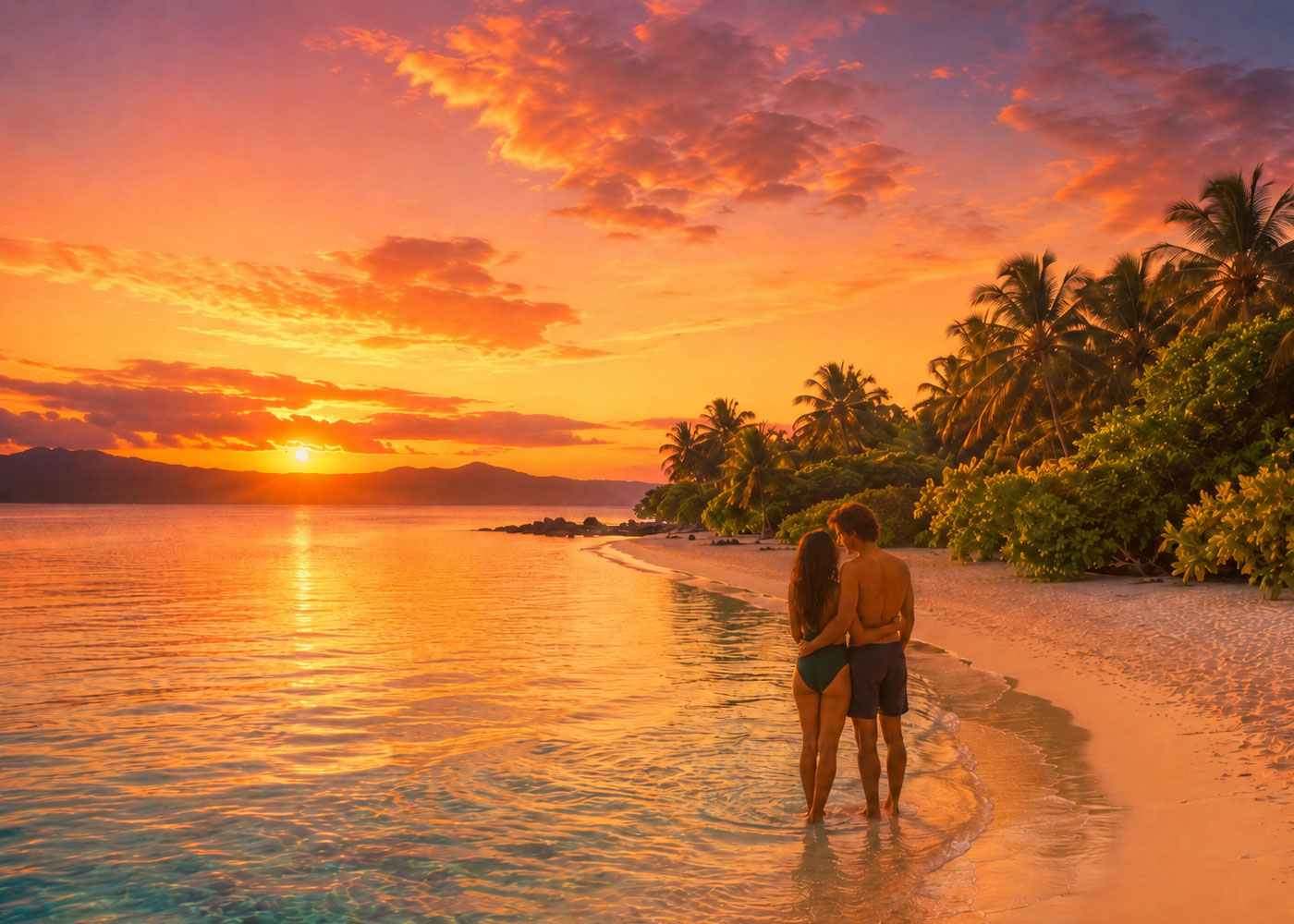
Handpicked properties, high-altitude vineyards and Andean cuisine, nature and well-calibrated days.
Honeymoon Ideas →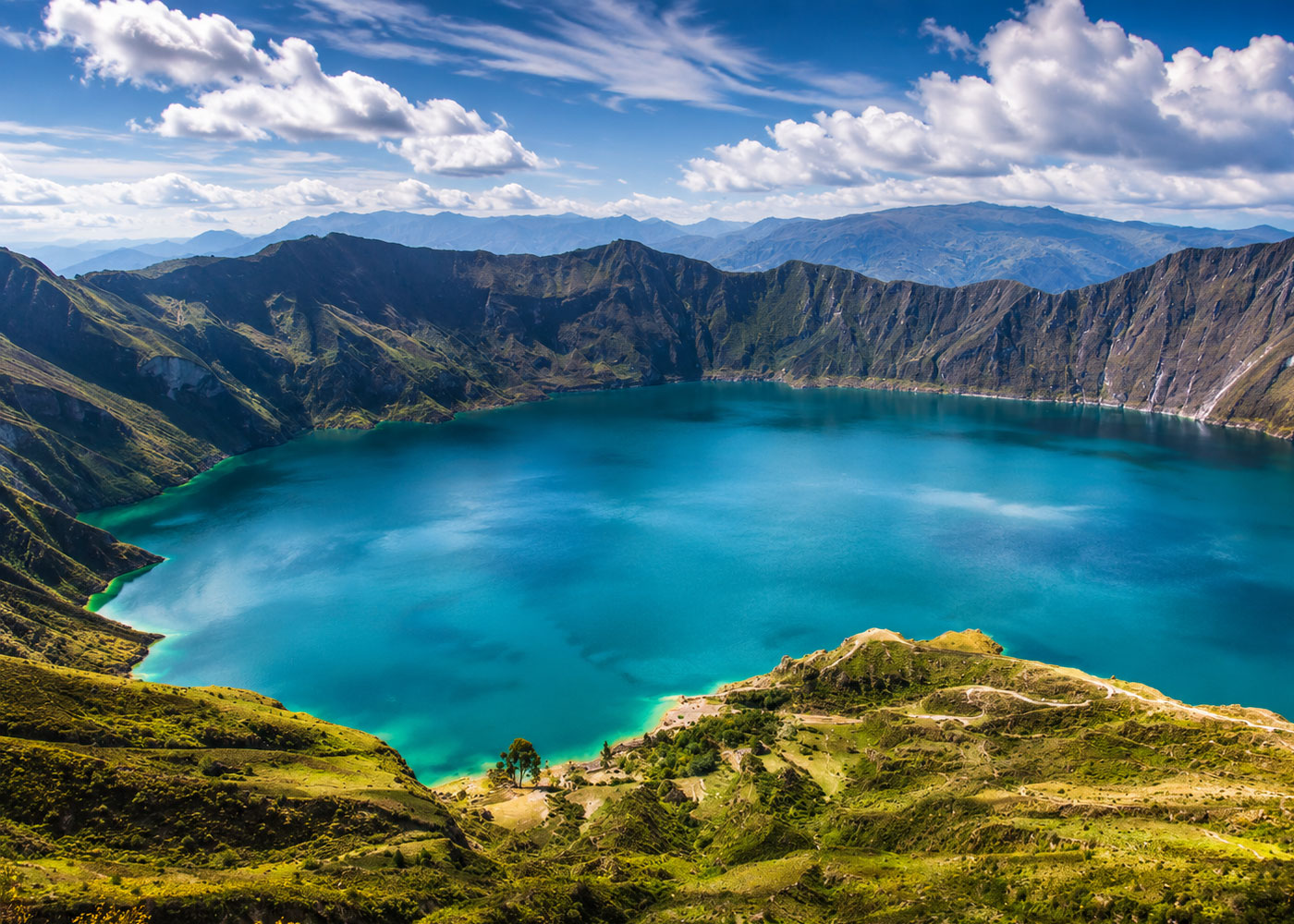
Cotopaxi and Quilotoa, parks and trails to choose based on fitness level and season.
Trekking in Ecuador →
The Avenue of the Volcanoes, the Ecuadorian Amazon, cities and landscapes for those who travel with a camera.
Photography Trip →
Softer paces, calibrated transfers and activities suited to children's ages.
Ecuador with Kids →
Boutique hotels, lodges, private guides and handpicked experiences with smooth logistics.
Luxury Travel →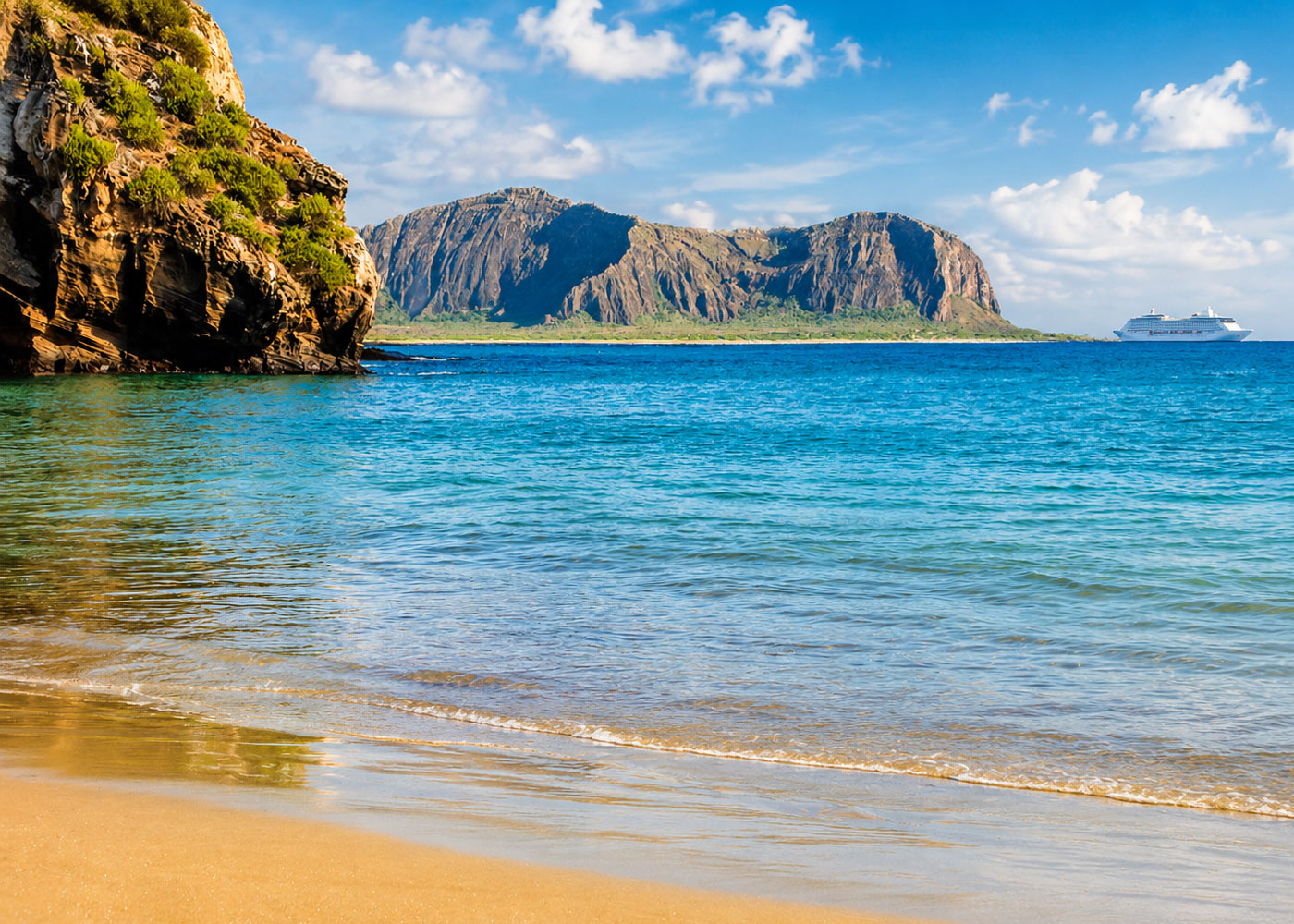
Small ships and yachts in the Galápagos, with naturalist guides, plus river experiences in the Amazon.
Discover Cruises →
In cities like Quito and Cuenca, apply normal precautions with valuables and evening travel. In remote areas, the main considerations are weather, distances, connectivity and access to services.
Quito, Cotopaxi, Quilotoa and many stops in the Sierra sit at high altitude. Alternate active days with rest, stay hydrated and gain altitude gradually when possible. Keep your insurance contacts and up-to-date local emergency numbers saved offline.
Read the Safety Guide →
Tell us when you want to travel, how many days you have, what kind of experience you're looking for and which places appeal to you most. We'll help turn your initial idea into a concrete, realistic and memorable itinerary.
Request a Personalized QuoteFor a well-balanced first trip to Ecuador, it's generally best to have at least 10–15 days, the right amount of time to connect two macro-areas without rushing, such as Quito, the Avenue of the Volcanoes or the Ecuadorian Amazon. With 18–20 days or more you can add a third stop, such as the Galápagos Islands or Otavalo, without turning the itinerary into a continuous sequence of transfers.
The best time to go to Ecuador depends heavily on the region: Ecuador can be visited all year round, but climate and rainfall vary between the Andes, the Amazon, the coast and the Galápagos. In the Sierra, June–September tends to be drier; in the Galápagos, January–May is warmer, while June–December is cooler and drier.
Yes: a honeymoon in Ecuador works very well when the couple is looking for an authentic experience rather than a standard package. The Avenue of the Volcanoes, the Ecuadorian Amazon and the high-altitude vineyards let you combine spectacular landscapes, boutique lodges and a more relaxed pace than a classic itinerary.
Yes, a trip to Ecuador with children is absolutely doable with an itinerary calibrated to age, transfers and climate. For a first family experience, comfortable bases like Quito, Cuenca and Otavalo are useful, offering good services and short travel times. The more demanding areas, like the Avenue of the Volcanoes or the Ecuadorian Amazon, should be introduced gradually.
It depends on the type of itinerary. Going self-guided in Ecuador is suited to simple programs, with few areas and direct connections. A tailor-made organized trip becomes more worthwhile when remote areas, many domestic transfers, high altitudes, or activities requiring authorized guides and advance bookings come into play (the Galápagos, the Amazon, demanding treks).
The cost of a trip to Ecuador varies a lot depending on international and domestic flights, hotel category, number of regions visited, private services and included excursions. Remote areas and lodges with limited availability (the Galápagos, the Amazon) have more impact on the overall budget than big cities. For a realistic quote, it's always best to start from a concrete itinerary.
Yes: a combined Ecuador and Peru or Ecuador and Colombia trip is often a very sensible choice thanks to the connections between the countries. The combination should be planned around real flight or transfer times, not just geographic proximity on the map.
Practical guides to help you choose when to go, what to see, and how to build the itinerary that's right for you.
No filters, no middlemen — with local operators in Lima, Cusco and Arequipa