

Documents, precautions in cities, altitude and insurance: everything worth checking before setting off on a trip to Ecuador.
Travel local, live responsibly — no filters, no middlemen
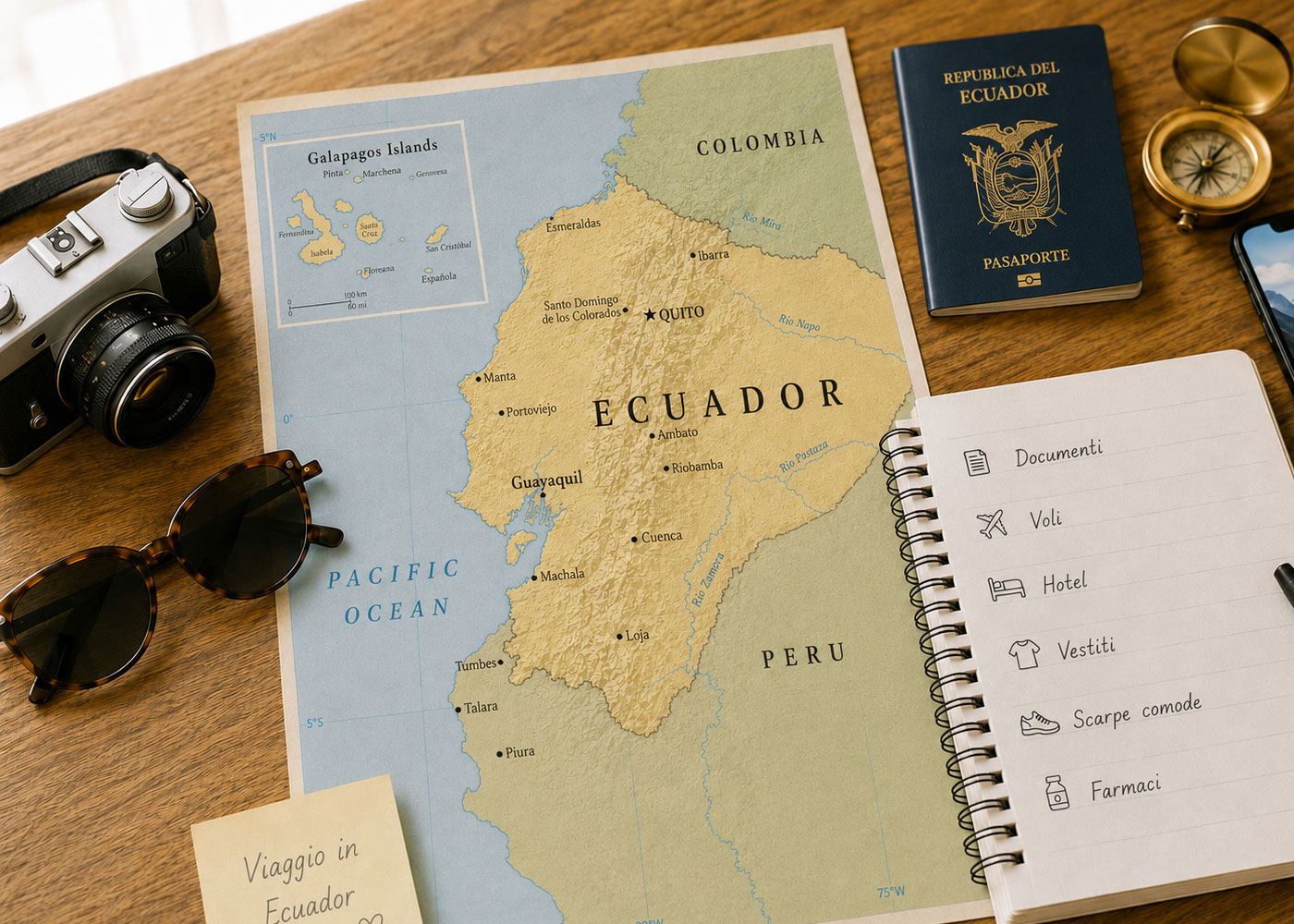
Before leaving for Ecuador, check official sources for the entry requirements that apply to your nationality, the remaining passport validity required, and any forms or conditions in effect at the time of travel.
Carry a digital copy of your main documents and separately check the rules for protected areas, islands, parks or regions that may require specific bookings and registrations.
Requirements can change: this page should be treated as an organizational guide and does not replace the guidance of the relevant authorities.
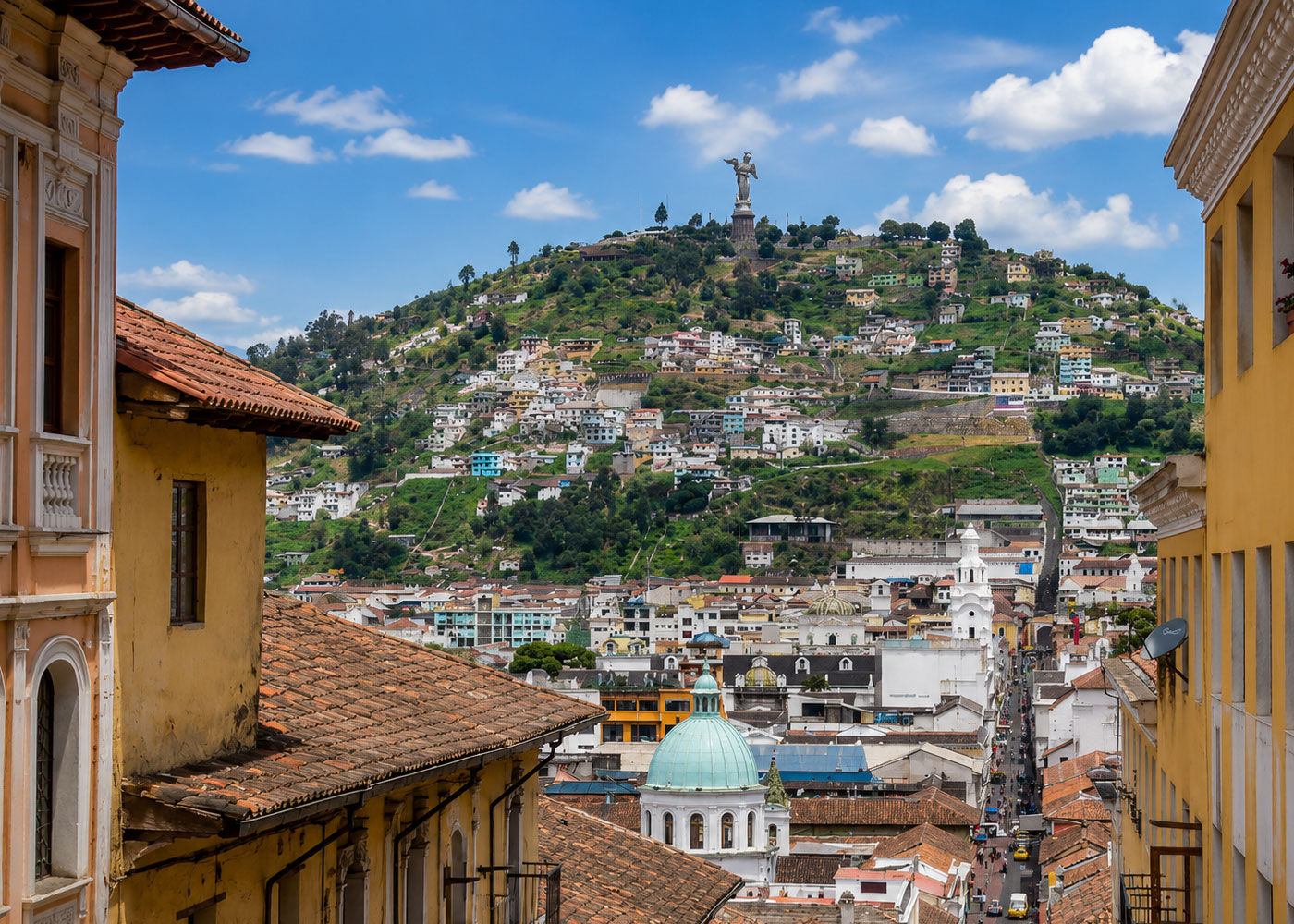
During a trip to Ecuador it's advisable to apply normal precautions in urban areas: avoid displaying valuables, use reliable transport and check locally about areas less suited to evening travel.
In natural areas, check the weather, trail conditions and travel times. Bring water, sun protection, appropriate clothing, and share your itinerary when moving through remote areas.
Keep your insurance contacts and up-to-date local emergency numbers saved offline. In the Amazon and on some islands, connectivity can be limited. In major cities like Quito and Cuenca, pay particular attention at stations, terminals, markets and crowded places.
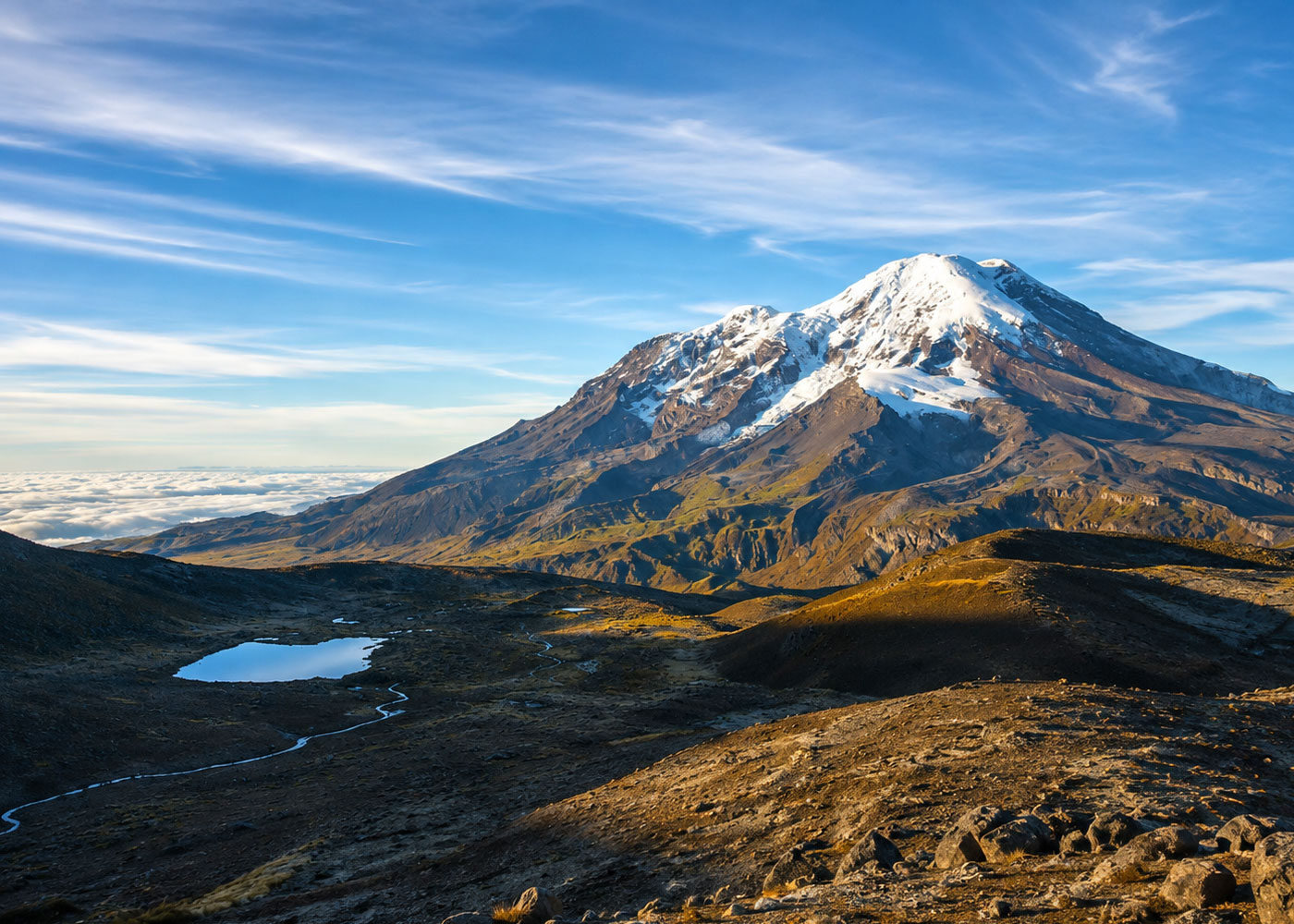
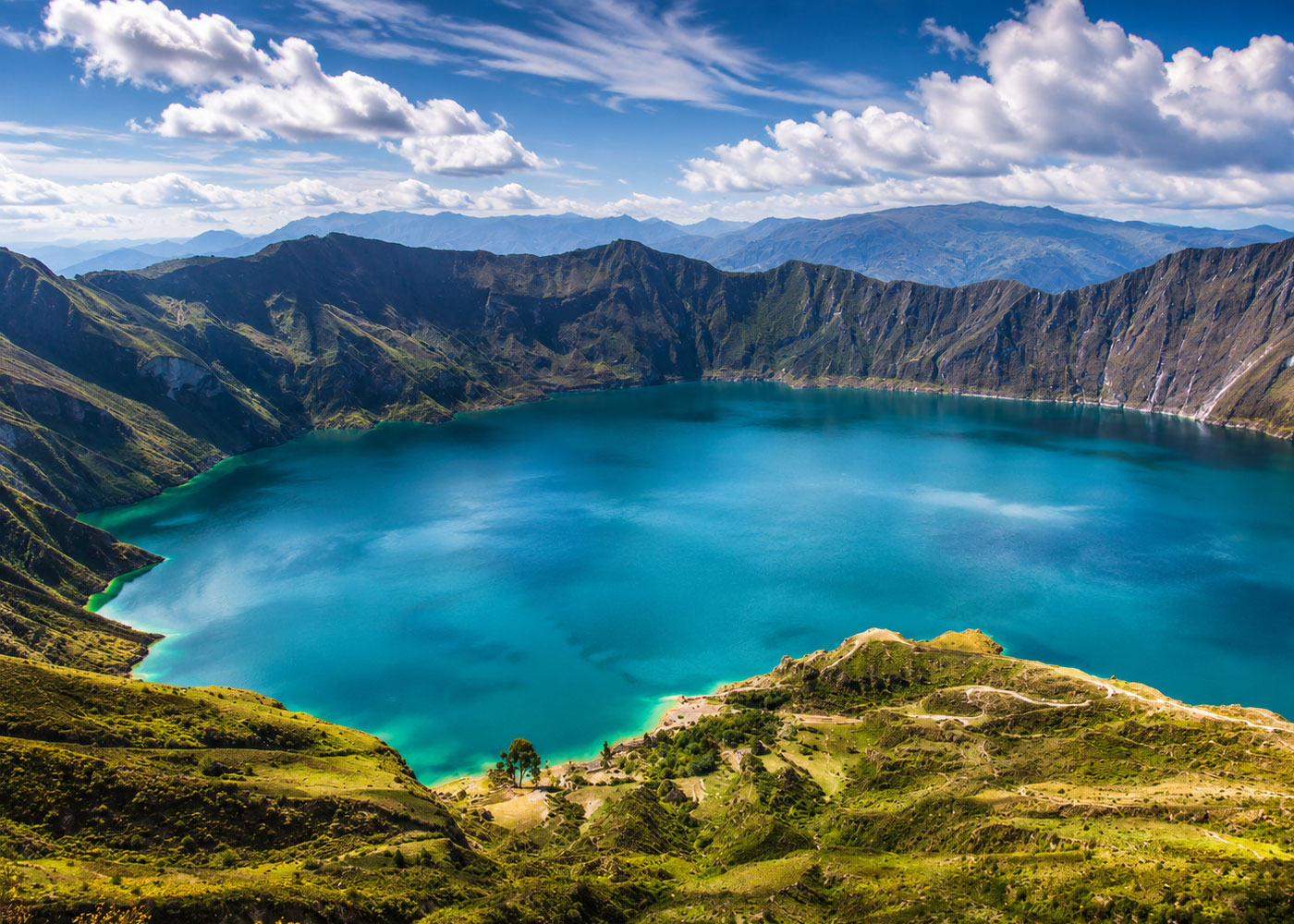
Quito, Cotopaxi, Quilotoa and many stops in the Sierra sit at high altitude. Alternate active days with rest, stay hydrated and gain altitude gradually when possible.
If the itinerary includes high altitudes, ascend gradually, stay well hydrated and cut back on intense effort in the first few days. If significant symptoms appear, descend and seek medical assistance.
A comprehensive travel policy covering medical expenses, assistance, repatriation, trip cancellation and interruption is strongly recommended.
If you plan trekking, high-altitude activities, boat trips or outdoor sports, check that the policy explicitly covers the activities included in your itinerary.
Safety varies by city, neighborhood and region. Use normal precautions, check official updates before departure and ask for local advice on travel and remote areas, particularly in major urban centers like Quito and Guayaquil.
Coverage that includes medical expenses, assistance and repatriation is strongly recommended. If you're trekking or doing activities at altitude, also check the policy's specific limits, as well as any exclusions for activities in the Galápagos.
Requirements depend on nationality and travel date and can change. Always check your passport, any visas or forms on official sources shortly before departure, rather than relying on information gathered months earlier.
Practical guides to help you choose when to go, what to see, and how to build the itinerary that's right for you.
No filters, no middlemen — with local operators in Lima, Cusco and Arequipa