

Off the coast of Ica, not far from the more famous Ballestas Islands, the Chincha Islands hold one of the most curious and surprising chapters in Peru's economic history: the so-called guano fever.
The white gold of the 19th century
In the mid-19th century, guano, the excrement accumulated over centuries by millions of seabirds on these rain-free islands, proved to be an extraordinarily effective natural fertiliser, becoming one of the most sought-after raw materials on European and North American markets. Peru, which held the richest deposits in the world, experienced a genuine economic boom thanks to the export of this product.
The strategic importance of guano was such that it triggered, in 1864, the Chincha Islands War, a conflict between Spain and a South American alliance for control of these deposits, and it influenced the geopolitical balance of the Pacific coast of South America for decades.
The islands today: a sanctuary for marine wildlife
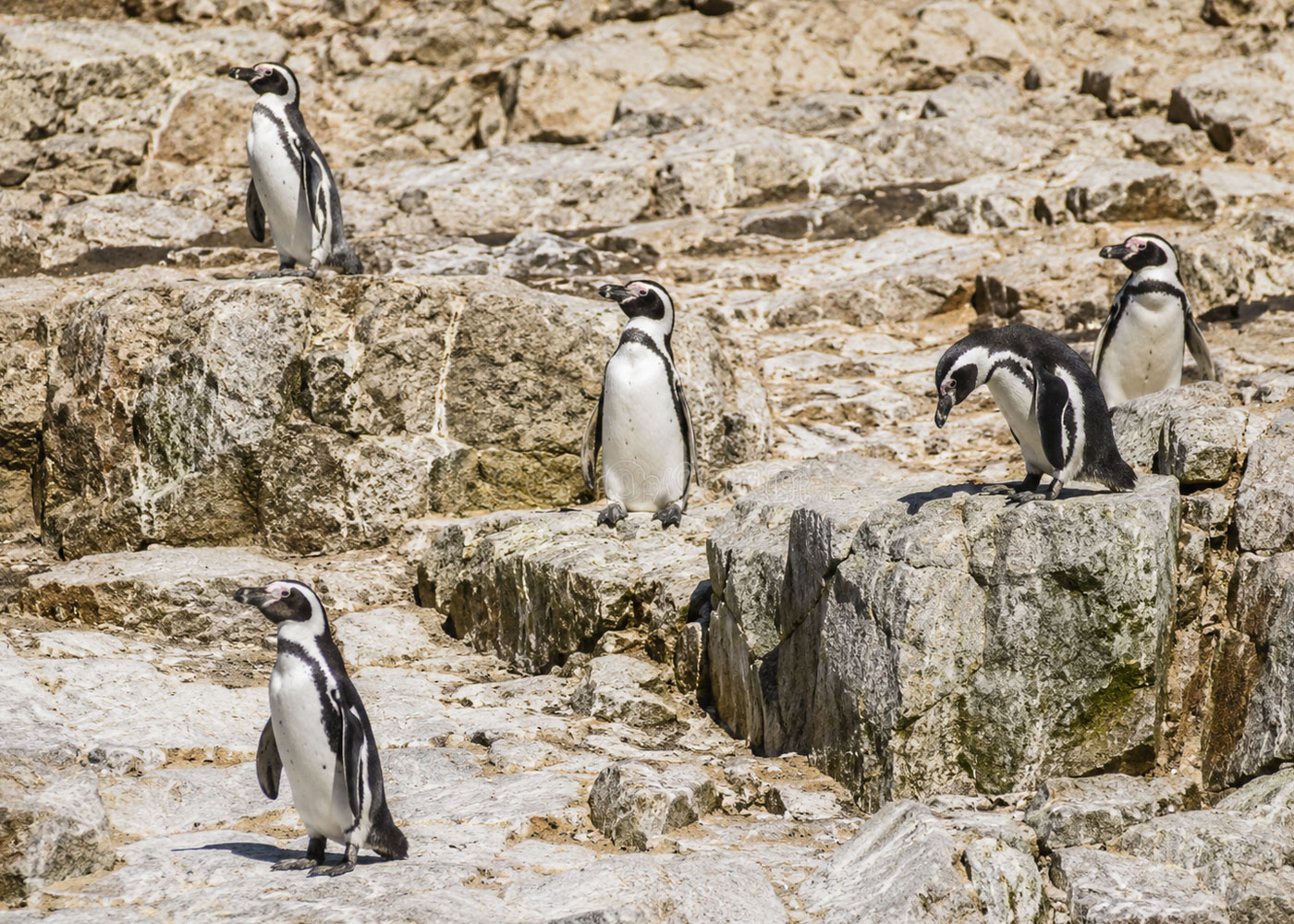
With the guano fever long over, the Chincha Islands have returned to what they were before humans arrived: a refuge for sea lions, Humboldt penguins and thousands of seabirds. Today they can mainly be admired during boat excursions from Pisco or Paracas, which often also include a stop at the nearby Ballestas Islands.