

In the heart of Peru's central Andes, Ayacucho holds one of the country's richest religious and artisanal heritages. With its 33 colonial churches and a historic centre that has remained almost untouched, the city is considered one of Peru's cultural capitals, often overlooked by the more well-trodden tourist routes.
Ayacucho's Holy Week
Ayacucho's Holy Week is one of the most impressive religious celebrations in South America: for ten days the streets come alive with processions, hand-drawn carpets of flowers and petals, marching bands and thousands of worshippers and visitors. The whole city is transformed, and witnessing at least one night procession is an experience that stays with you.
Textiles, ceramics and retablos
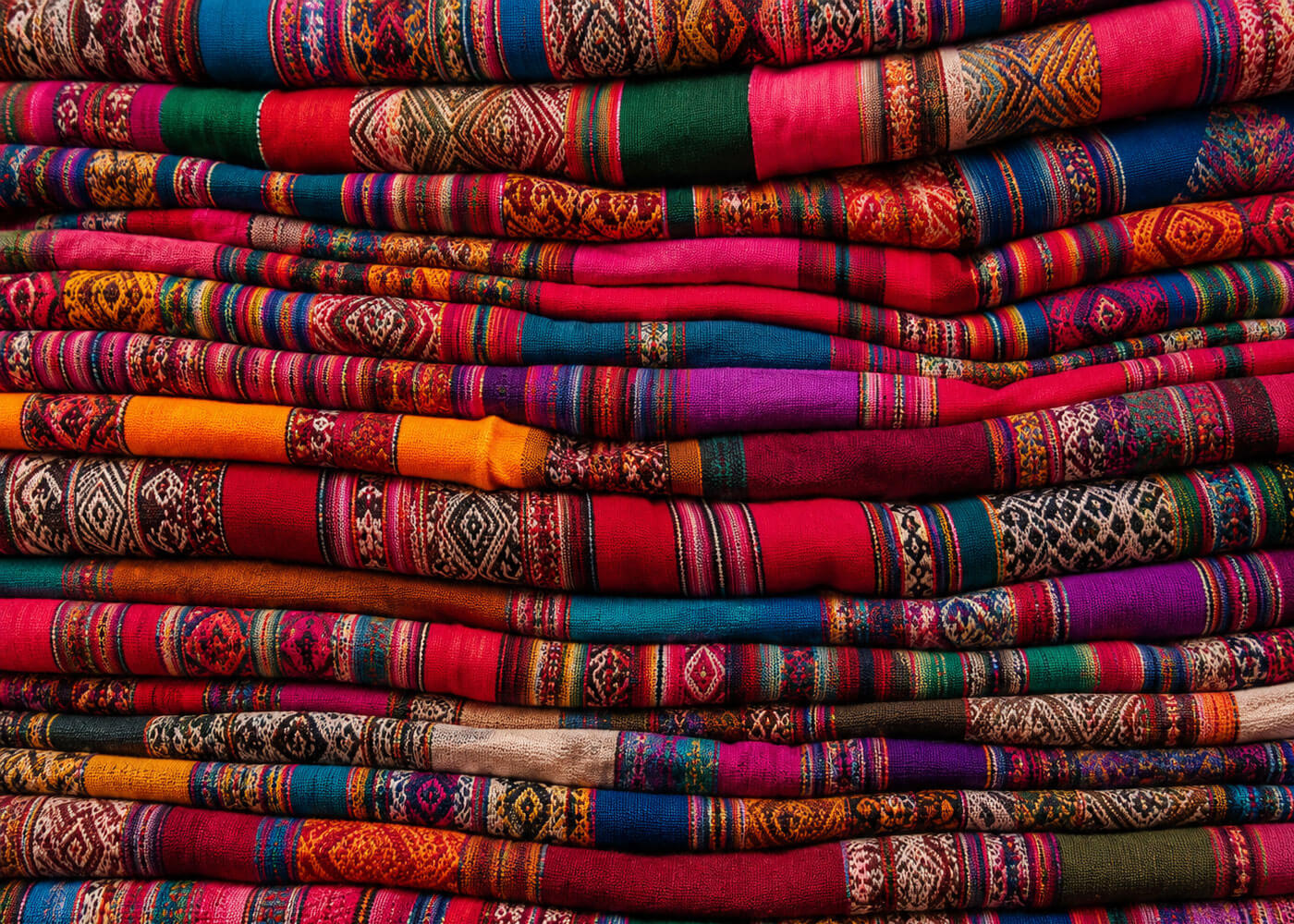
Ayacucho is also synonymous with top-quality Andean craftsmanship. In the Santa Ana neighbourhood, artisans still weave carpets and tapestries on manual looms with designs that tell pre-Hispanic stories and myths. Equally celebrated are the retablos, small decorated wooden boxes depicting scenes of daily, religious or historical life, and the glazed ceramics of local pottery families.
A visit to the mercado artesanal and family workshops lets you observe up close techniques handed down from generation to generation, often accompanied by a coffee or a chicha offered by the artisans themselves.
Ayacucho deserves at least two or three days, ideal for combining culture, local gastronomy and a slower travel pace than the classic stops on Peru's tourist trail.