

Chile has solid tourist infrastructure, but it's still worth traveling prepared: altitude, weather, long distances and local rules can all affect the experience.
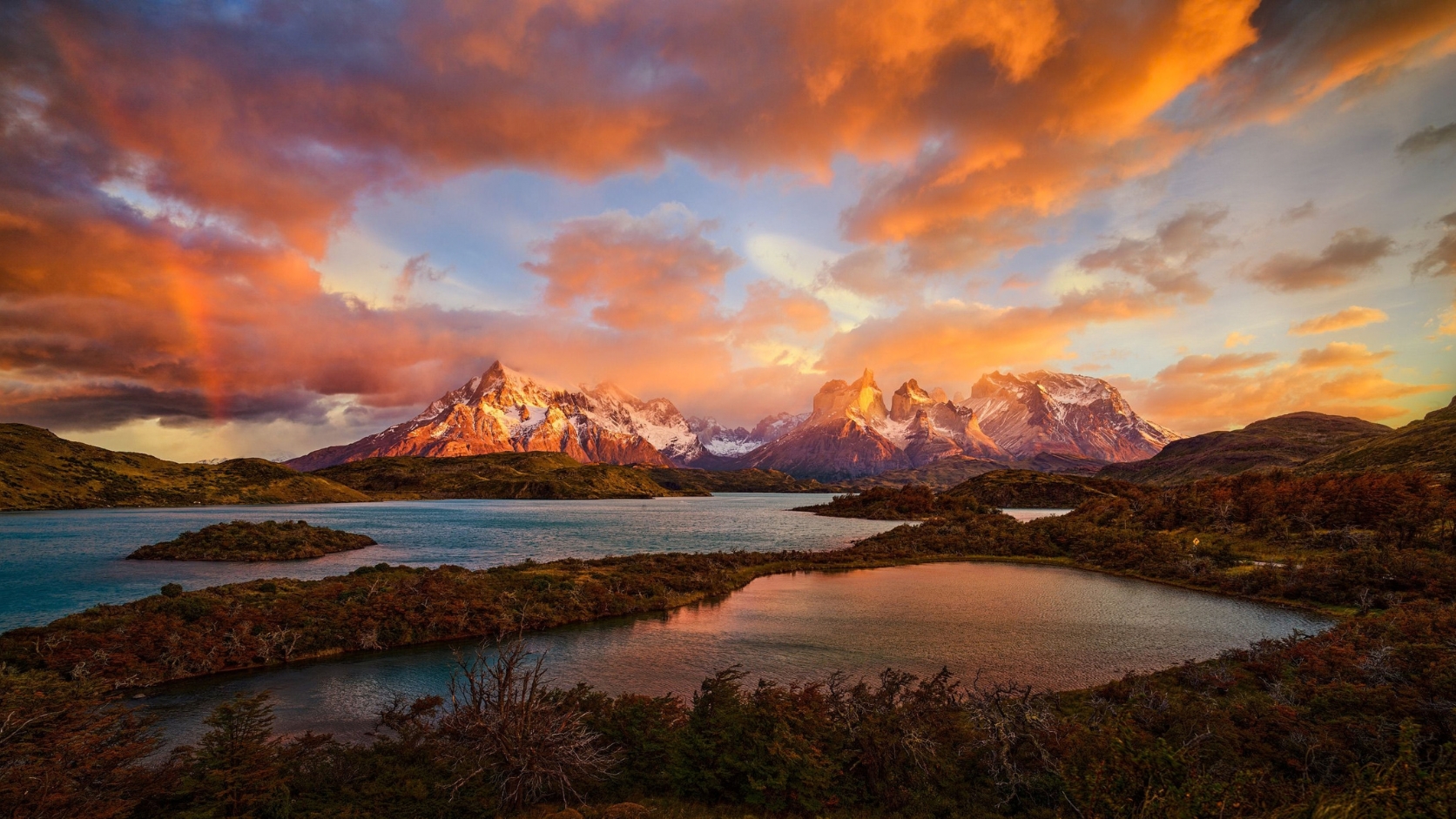
Travel local, live responsibly — no filters, no intermediaries
Before leaving for Chile, check official sources for the entry requirements that apply to your nationality, including any visa rules and the passport validity required, since conditions can change and should always be reconfirmed close to departure.
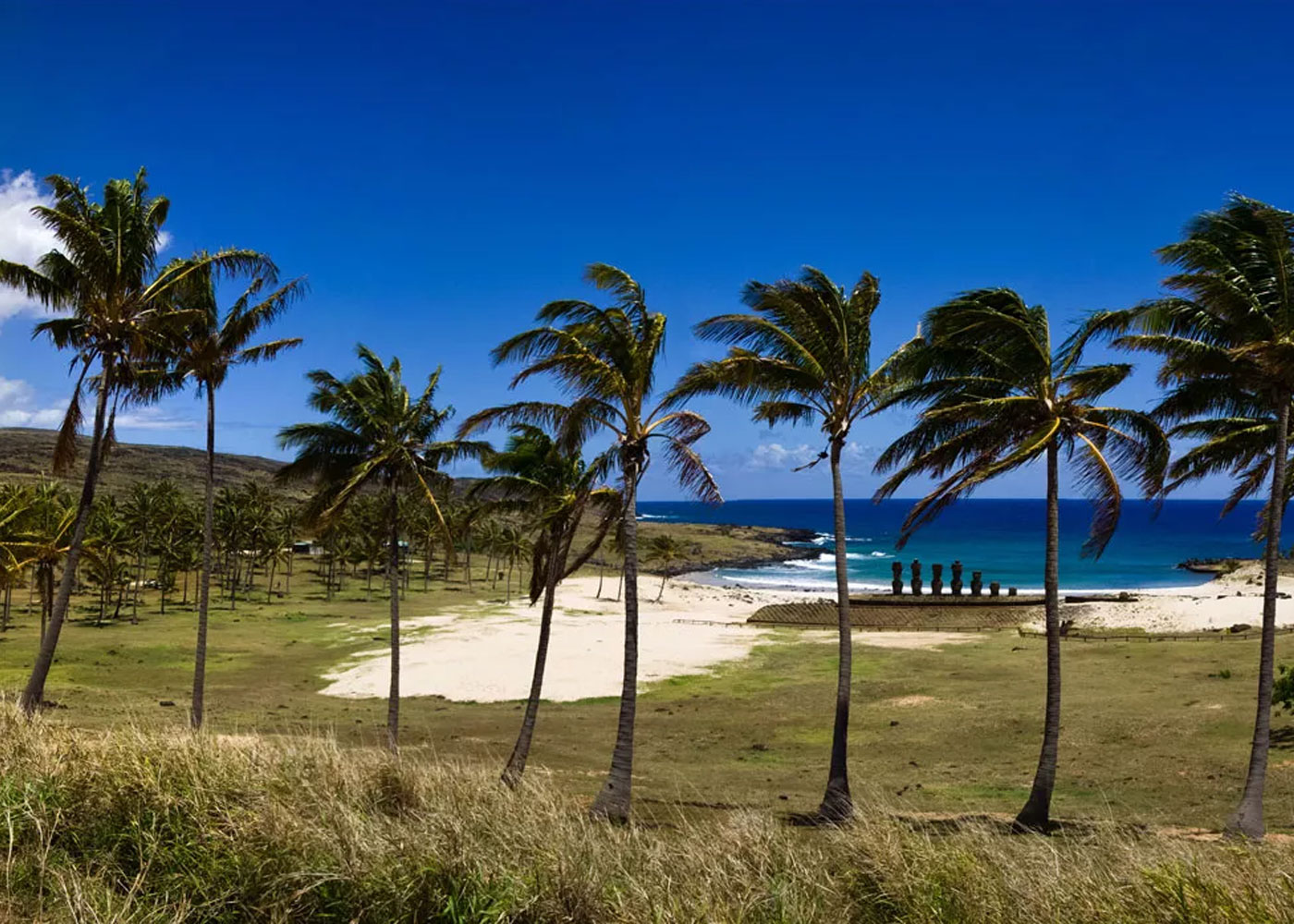
Access to Rapa Nui involves additional procedures compared to travel on the mainland: a required form, registered accommodation, tickets and other conditions set by local authorities.
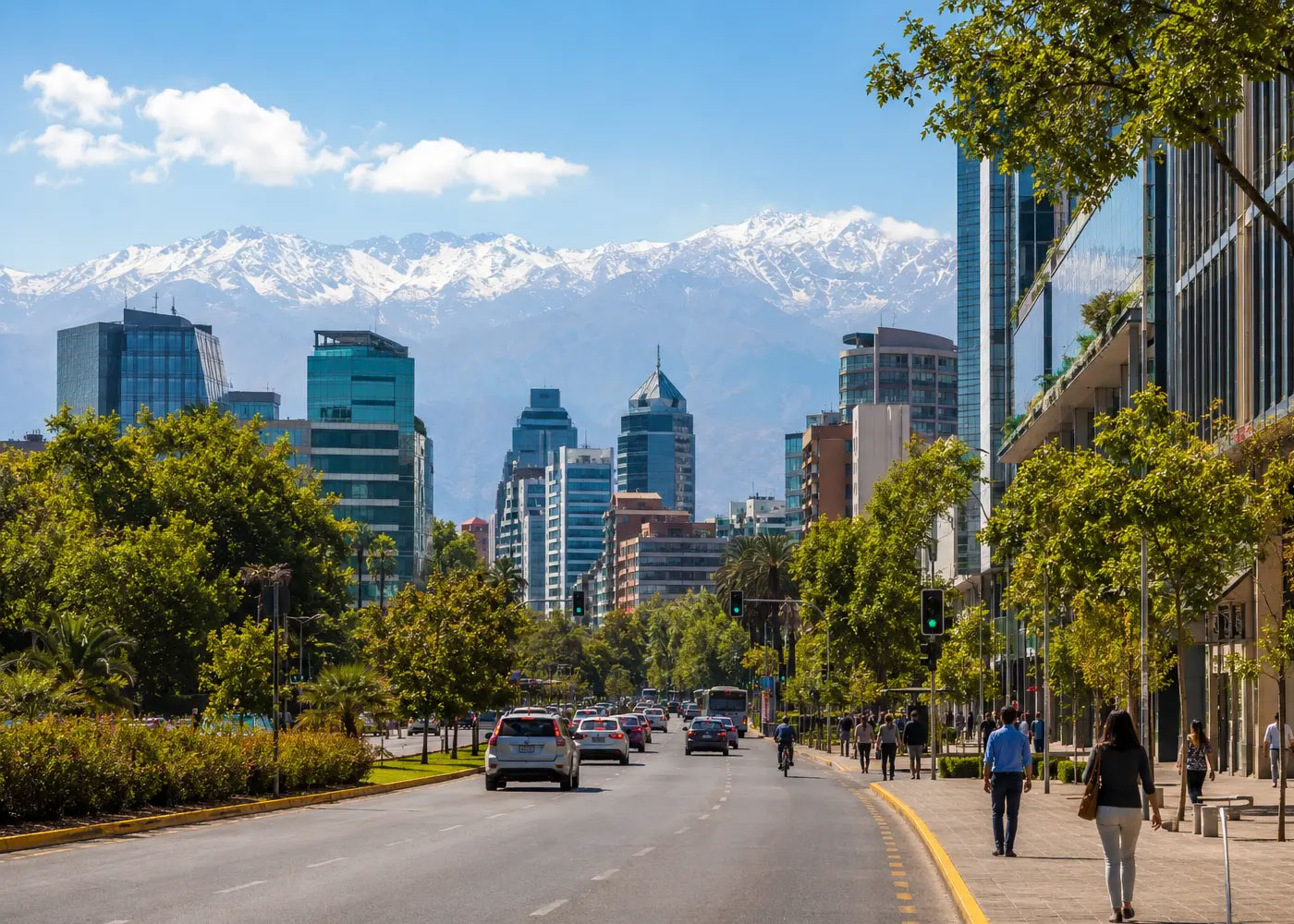
Chile is generally described as a safe country, but normal precautions remain useful. In cities, it's best not to display valuables or obvious signs of wealth; in Santiago, Valparaíso and other urban centers, keep phones and cameras within sight and avoid isolated areas at night.
In case of emergency, the useful numbers are 133 for the police and 131 for an ambulance. With common-sense precautions, you can enjoy the trip with peace of mind.
Altitude can cause difficulties in Andean areas like Salar de Surire and Putre, where many locations exceed 2,800 meters. Headaches, nausea, poor appetite and fatigue can be signs of altitude sickness.
To reduce the risk, it's best to drink plenty of water, eat light meals, avoid intense exertion before acclimatizing, and limit smoking and alcohol. Gradual acclimatization can include a few days at lower altitudes, for example in San Pedro de Atacama at around 2,400 meters, before heading to higher elevations.

For organized trips, insurance with adequate coverage for medical expenses, injury, death, repatriation, and trip cancellation and interruption is recommended.
It's also useful to check with the insurance company that any adventure activities included in the itinerary are covered, and to carry a copy of the policy and emergency numbers throughout the trip.
Visa requirements depend on your nationality and can change, so they should always be checked close to your departure date on up-to-date official sources, rather than relying on information gathered well in advance. Passport validity requirements should also be confirmed.
Yes, Chile has solid tourist infrastructure and is generally considered one of the safest destinations in South America. In cities, normal precautions against opportunistic theft apply; in natural areas, the main considerations are altitude, weather and distances, which should always be assessed alongside the chosen itinerary.
It's best to ascend gradually, drink plenty of water, eat light meals and avoid intense exertion in the first few days. Acclimatizing in San Pedro de Atacama (around 2,400 meters) before heading to higher elevations reduces the risk of altitude sickness, as does avoiding alcohol in the first 24-48 hours.
Practical guides to help you choose when to go, what to see, and how to build the itinerary that's right for you.
No filters, no intermediaries — with local operators in Lima, Cusco and Arequipa