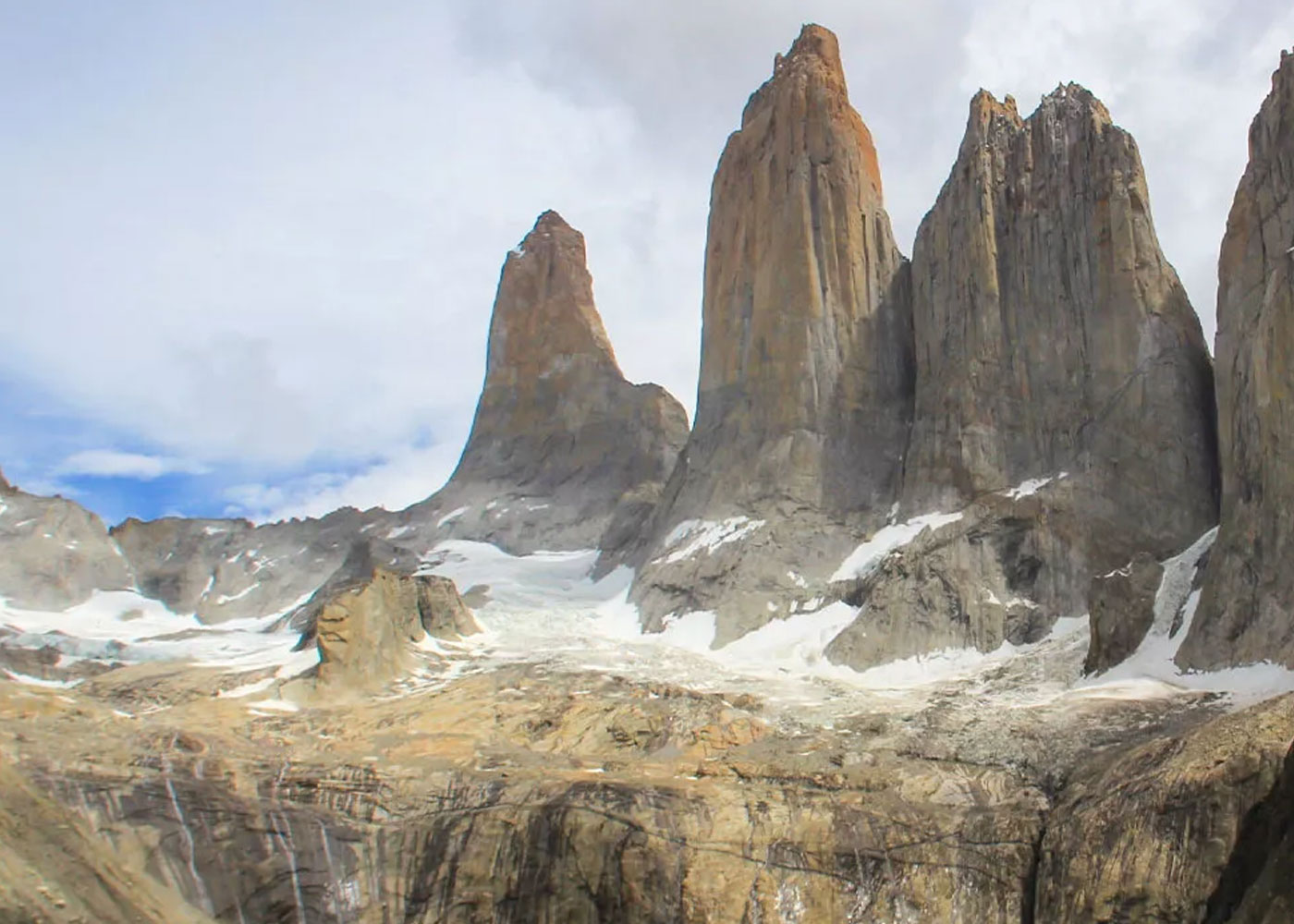
W Trek — Torres del Paine
About five days of hiking with nights in refuges or campsites. It requires physical preparation, advance bookings and flexibility for the weather; it's the signature route of Chilean trekking.
See the W Trek tour →

Great Patagonian trails, volcanoes in the Lake District, desert routes and the famous circuits of Torres del Paine: Chile offers very different hiking options.
Travel local, live responsibly — no filters, no intermediaries
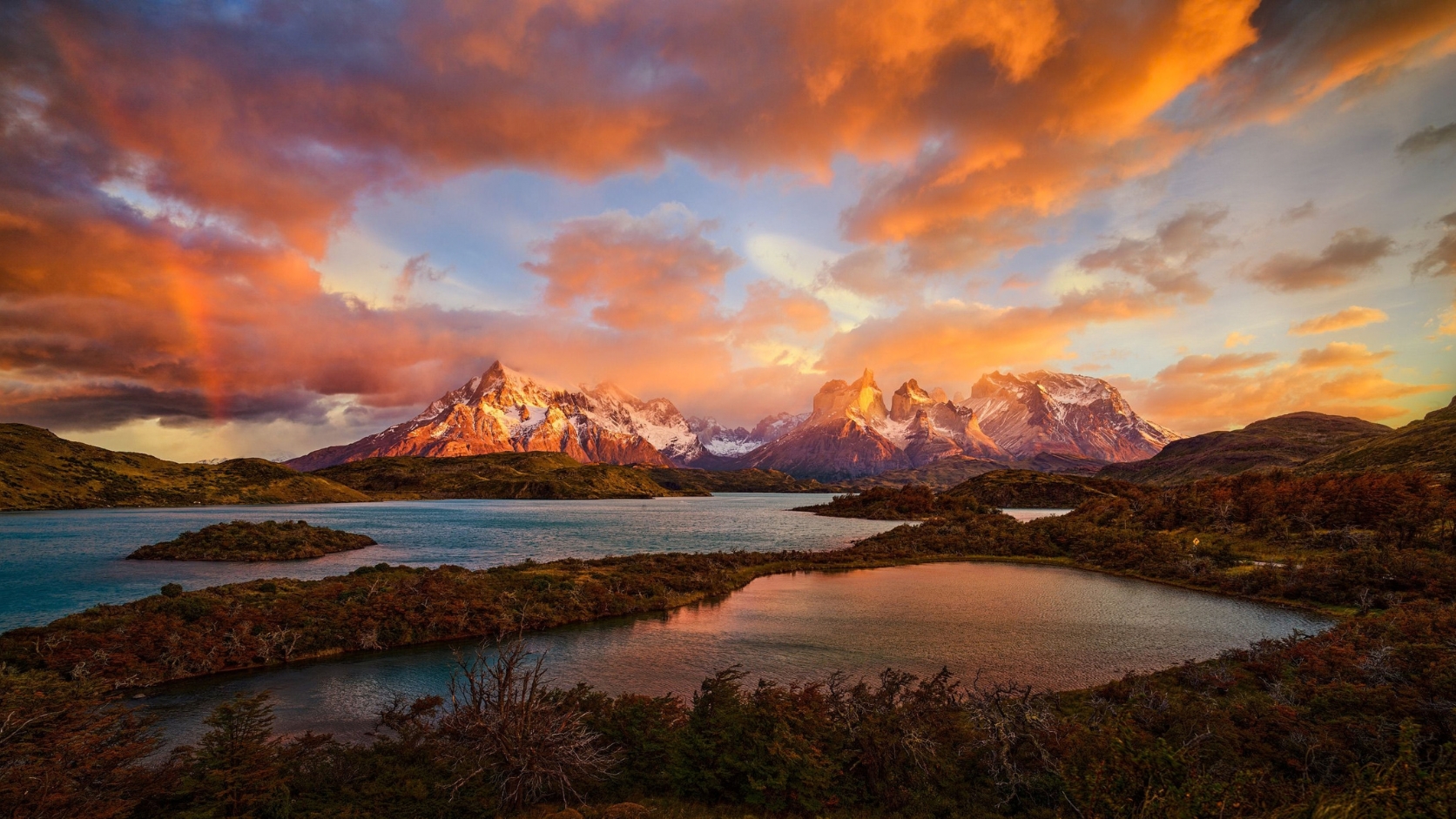
Few countries bring together desert, altiplano, volcanoes, lakes, forests, glaciers and Patagonian mountains in the same territory. This variety lets you alternate simple day excursions with multi-day treks that include overnight stays along the route.
The value isn't just physical challenge. Hiking in Chile means coming into contact with remote settings and powerful landscapes; to do it well, though, you need to account for distances, weather and local conditions.

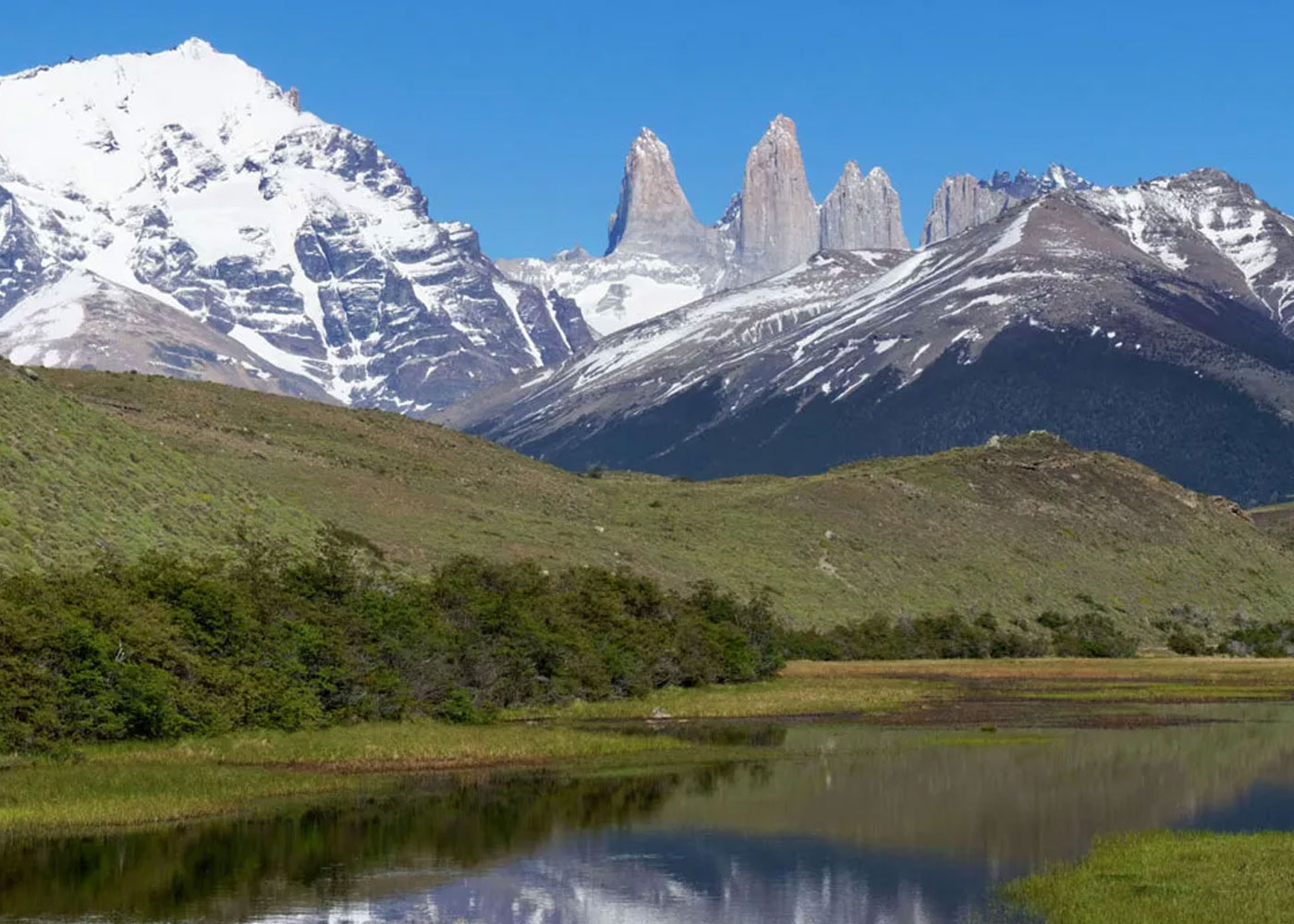
Torres del Paine is the main reference point for trekking in Chile. The W Trek connects Base Torres, the Valle del Francés, Lago Grey and the Grey Glacier, crossing some of the park's most famous landscapes. It's a demanding route, but manageable for well-trained, well-prepared travelers.
You don't need to sleep along a circuit to experience Patagonia. Many travelers choose a base at a lodge or in Puerto Natales and alternate day excursions, boat trips and lighter days.
This approach offers more comfort and, above all, more flexibility: if the weather changes, it's easier to adjust the plan and pick the best route for the conditions each morning.
Build your Patagonia itinerary →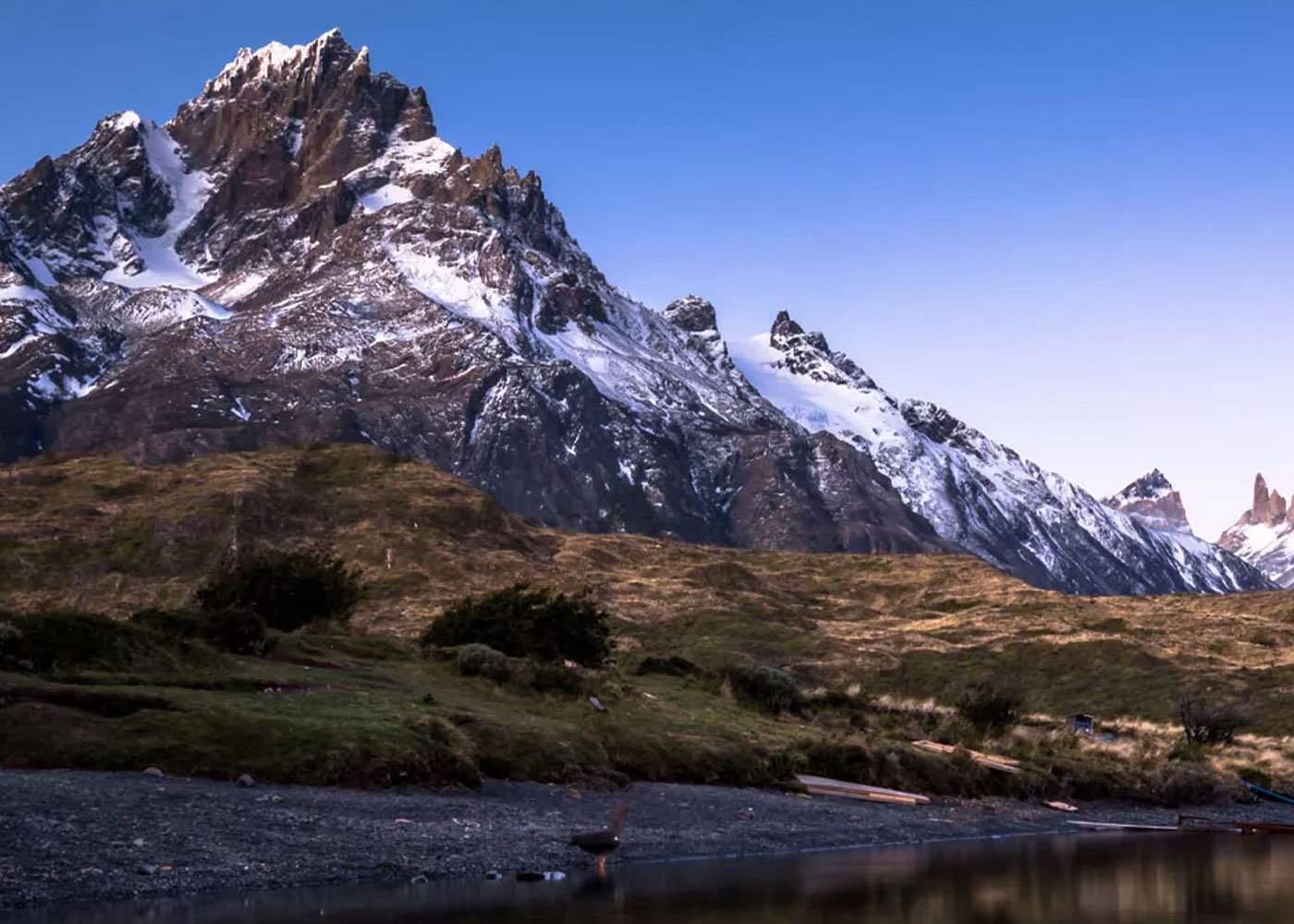
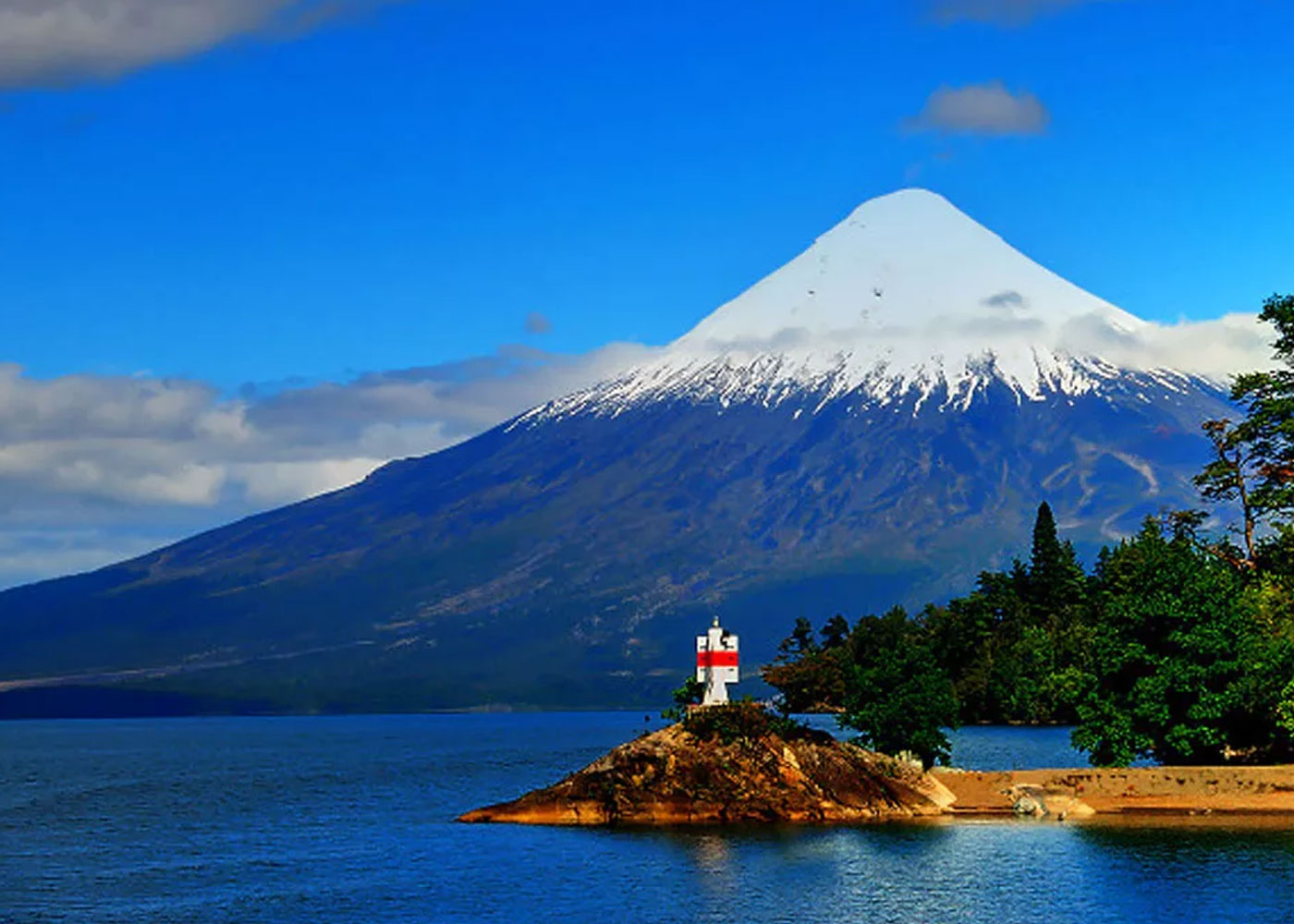
In the southern lake region, trekking has a different character than in southern Patagonia. Pucón, the Villarrica volcano, parks, forests and lakeside trails let you combine physical activity with green, volcanic landscapes.
For those who don't want to focus the whole trip on the great Patagonian treks, this region lets you alternate trails, hot springs and volcanic landscapes.
Discover trekking and volcanoes in southern Chile →The decision should start from season, fitness, experience, days available and the level of comfort you want. A good schedule avoids stacking demanding days back to back and leaves room for weather surprises.
About five days of hiking with nights in refuges or campsites. It requires physical preparation, advance bookings and flexibility for the weather; it's the signature route of Chilean trekking.
See the W Trek tour →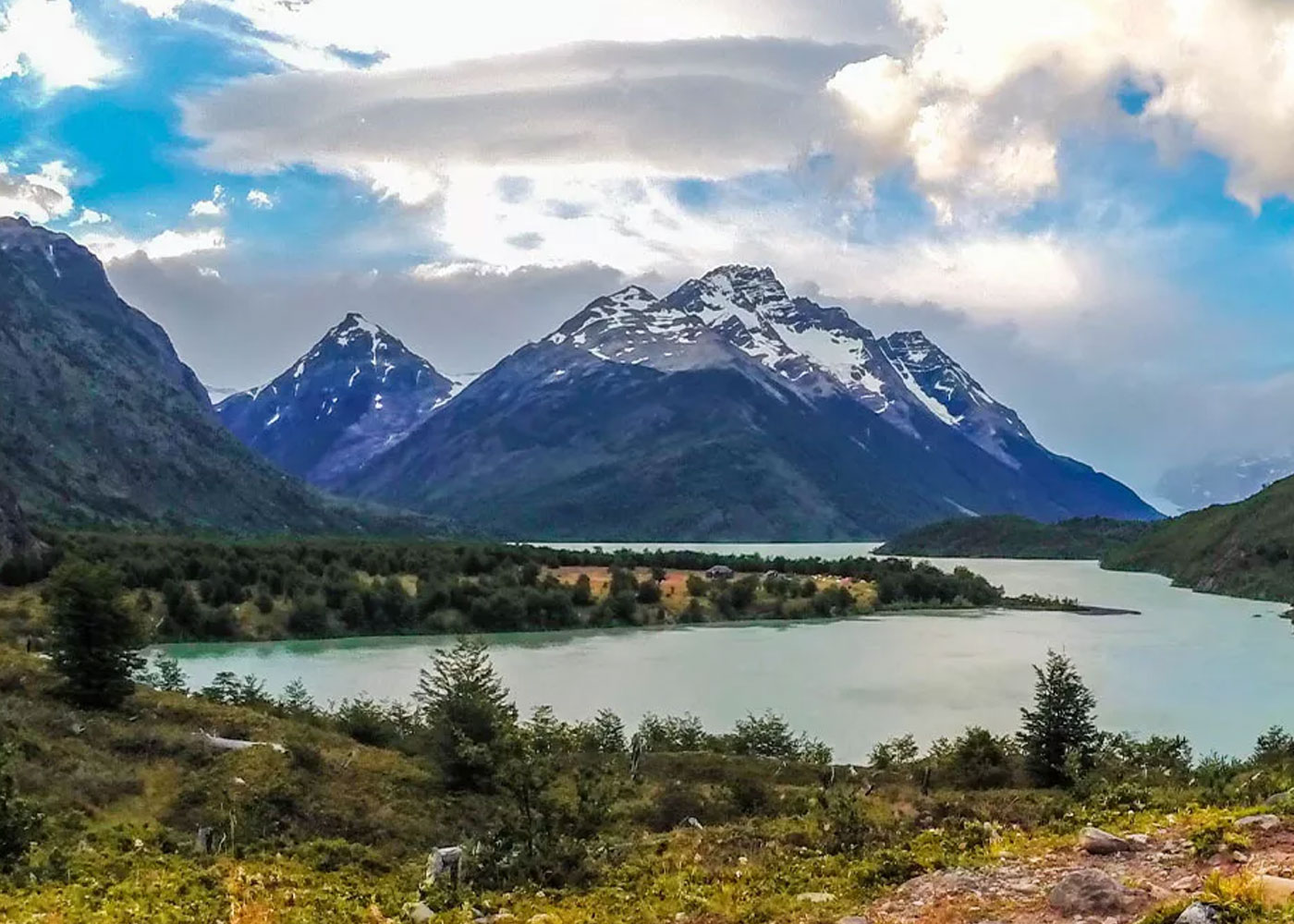
An itinerary of about eight days that completes the loop around the massif, including the more remote and less crowded northern sector. It's recommended for experienced, well-trained hikers.
See the O Circuit tour →We can select trails, guides, overnight stays and difficulty level based on your experience and the season you want to travel.
Contact us for adviceThe most famous route is the W Trek in Torres del Paine National Park. Over four or five days, it lets you reach places like Base Torres, the Valle del Francés and the Grey Glacier, sleeping in refuges or campsites. But the W's fame doesn't sum up Chile's whole offering: the Lake District, Atacama and the Carretera Austral offer very different routes in terms of landscape and difficulty.
No. The fitness level needed varies depending on the length, elevation gain, terrain and weather. Alongside demanding treks like the O Circuit, there are many day excursions suited to a normal level of fitness, with modest elevation gains and well-marked trails.
The easiest season runs from October to March. December, January and February are the most requested months and require booking well in advance; March often offers a good balance between still-favorable conditions and fewer crowds, along with particularly striking autumn colors.
Practical guides to help you choose when to go, what to see, and how to build the itinerary that's right for you.
No filters, no intermediaries — with local operators in Lima, Cusco and Arequipa