

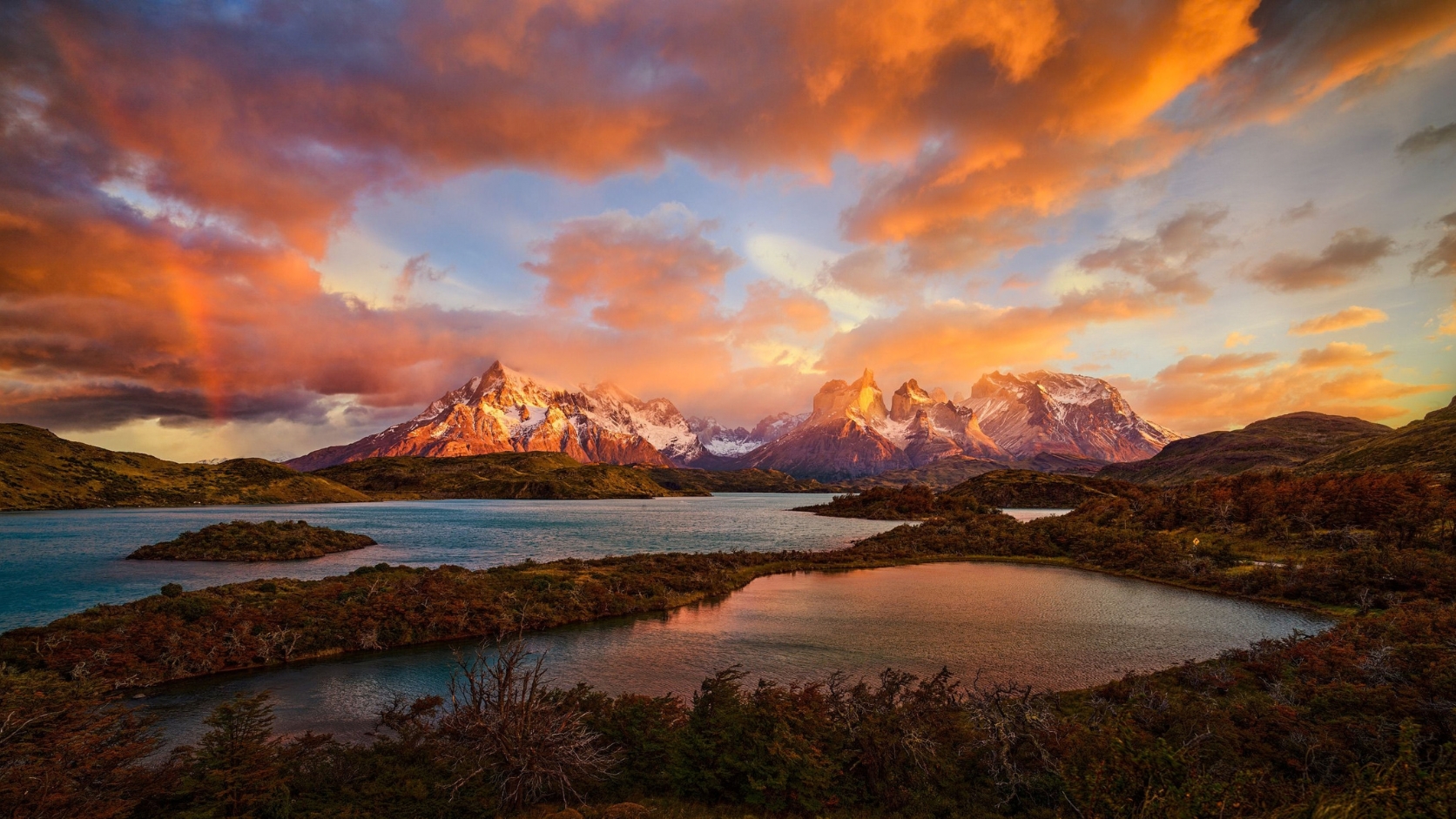
A 15-day trip to Chile lets you build a very complete itinerary, able to bring together the country's two great opposites: the Atacama Desert and Chilean Patagonia. In two weeks you can visit Santiago, add Valparaíso, explore San Pedro de Atacama and dedicate several days to Puerto Natales and Torres del Paine.
Travel local, live responsibly — no filters, no intermediaries
Fifteen days is an ideal length for those who want a varied trip without sacrificing too much of the experience's quality. Northern and southern Chile are very different and, together, capture the country's geographic scale.
Compared to a 10-day itinerary, you have time to fit in Patagonia more sensibly. Compared to a 20-day trip, you'll still need to make precise choices and skip a third major region like Rapa Nui, the Lake District or the Carretera Austral.
Request a tailor-made version →
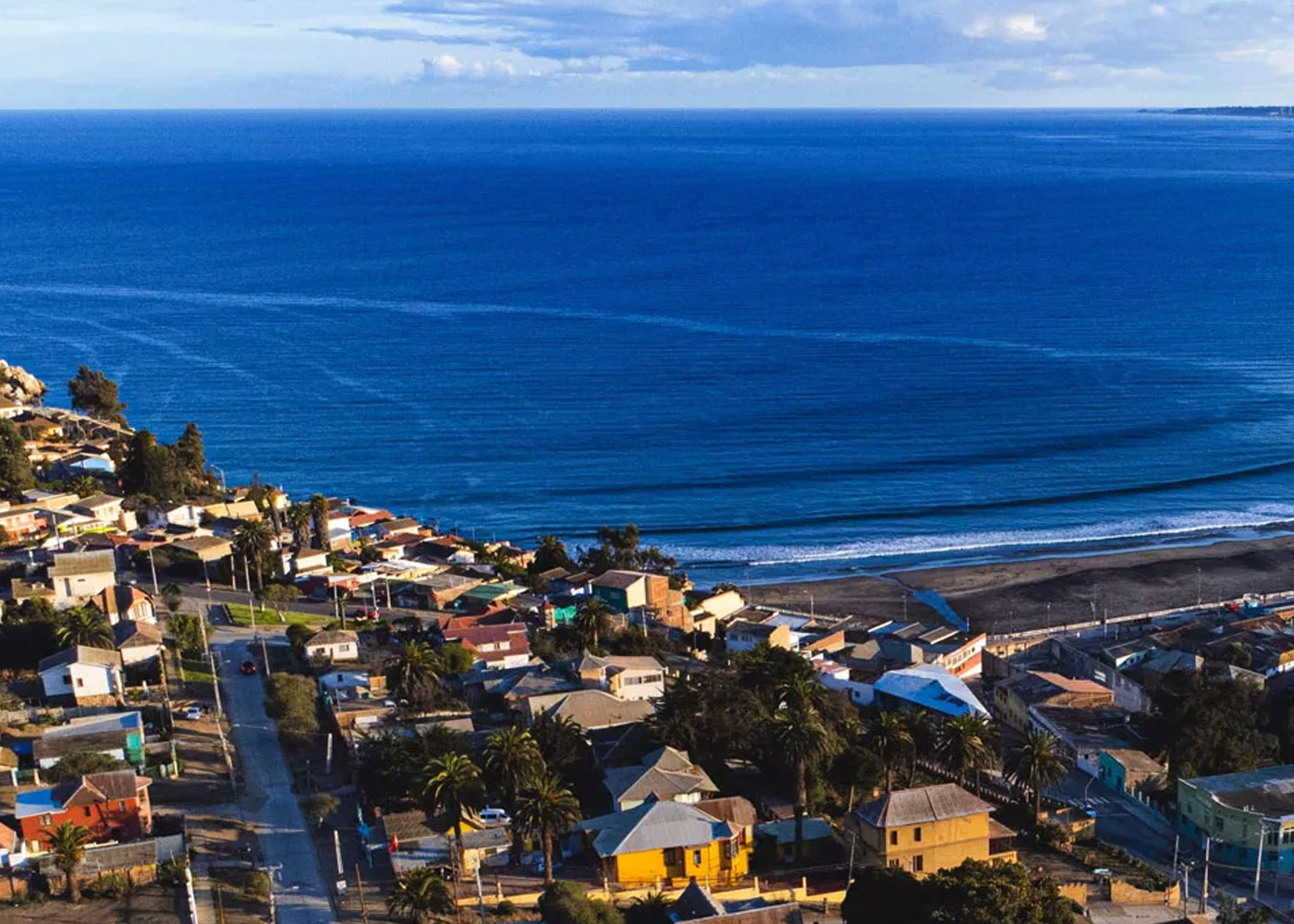
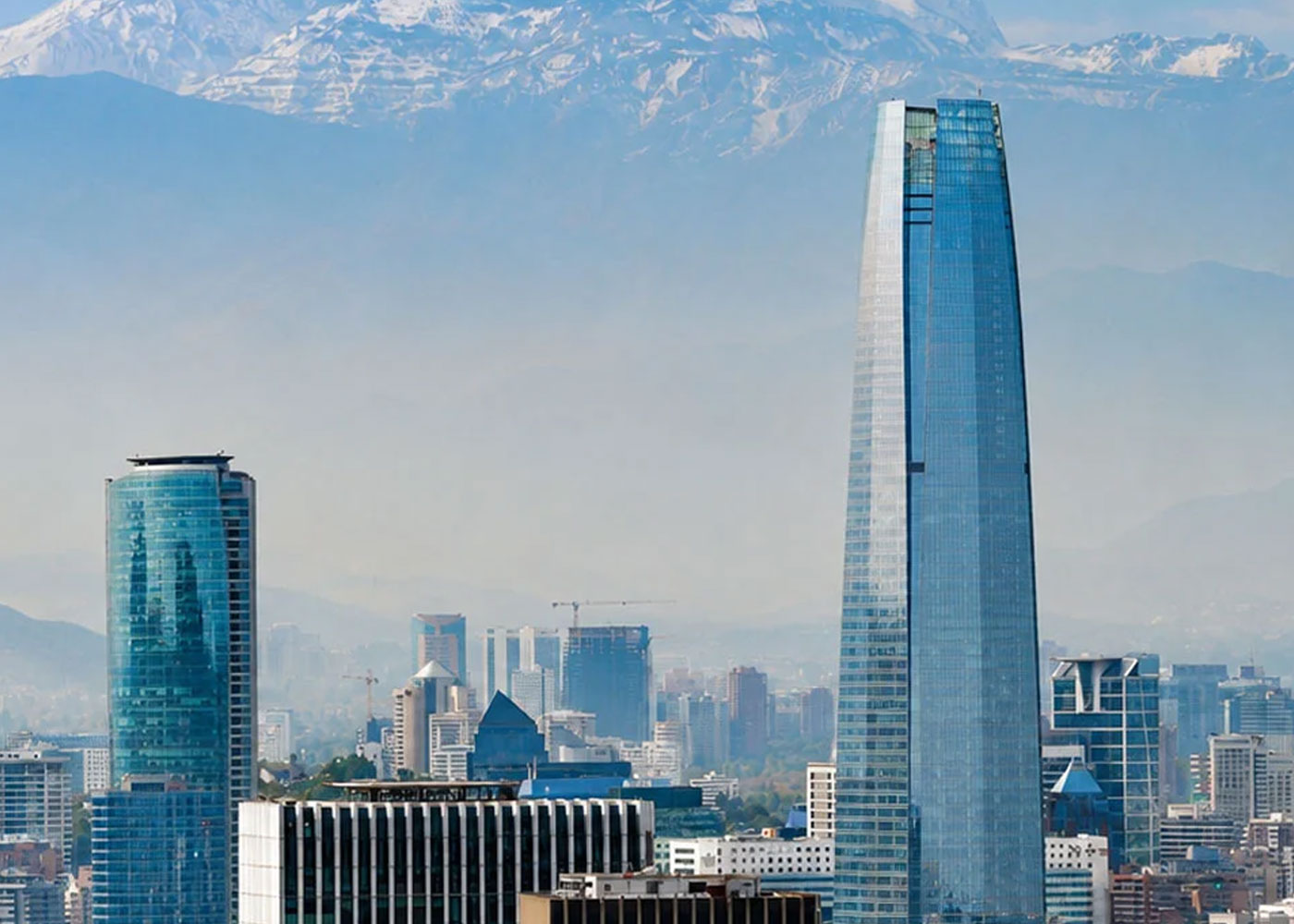
The trip can start with Santiago, useful for recovering from the international flight and getting to know the urban side of Chile. A full day lets you visit the historic center, neighborhoods, markets and viewpoints.
Valparaíso can be added as a day trip or with a dedicated overnight stay. In a 15-day trip, this choice depends on how much room you want to leave for Atacama and Patagonia.
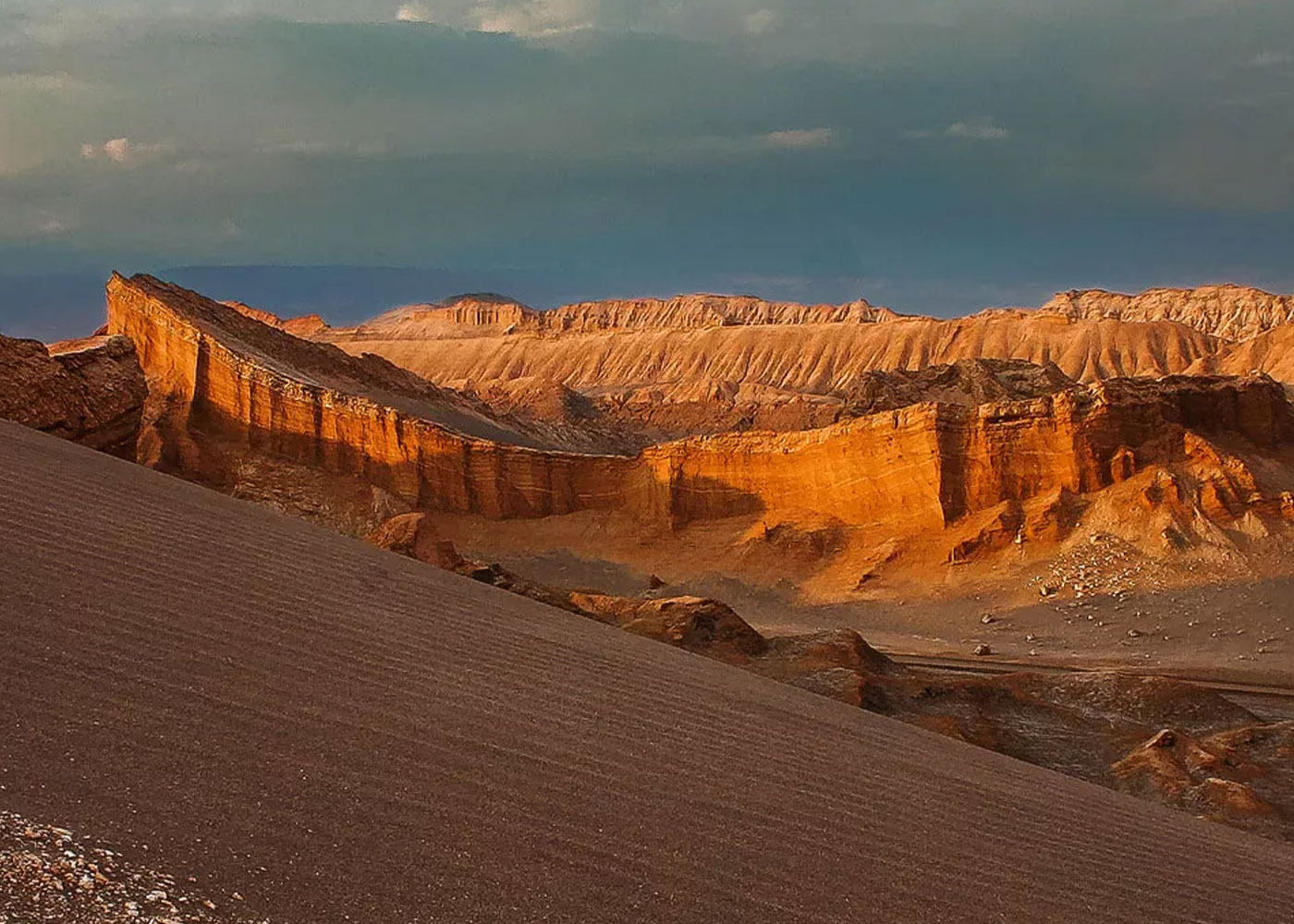
Atacama needs at least 3 or 4 nights. From San Pedro, you can explore Valle de la Luna, the Atacama Salt Flat, altiplano lagoons, the Tatio geysers and starry skies.
It's important to build the excursions progressively, starting at lower altitudes and moving up in the following days: this makes the trip more enjoyable and reduces the risk of altitude-related fatigue.
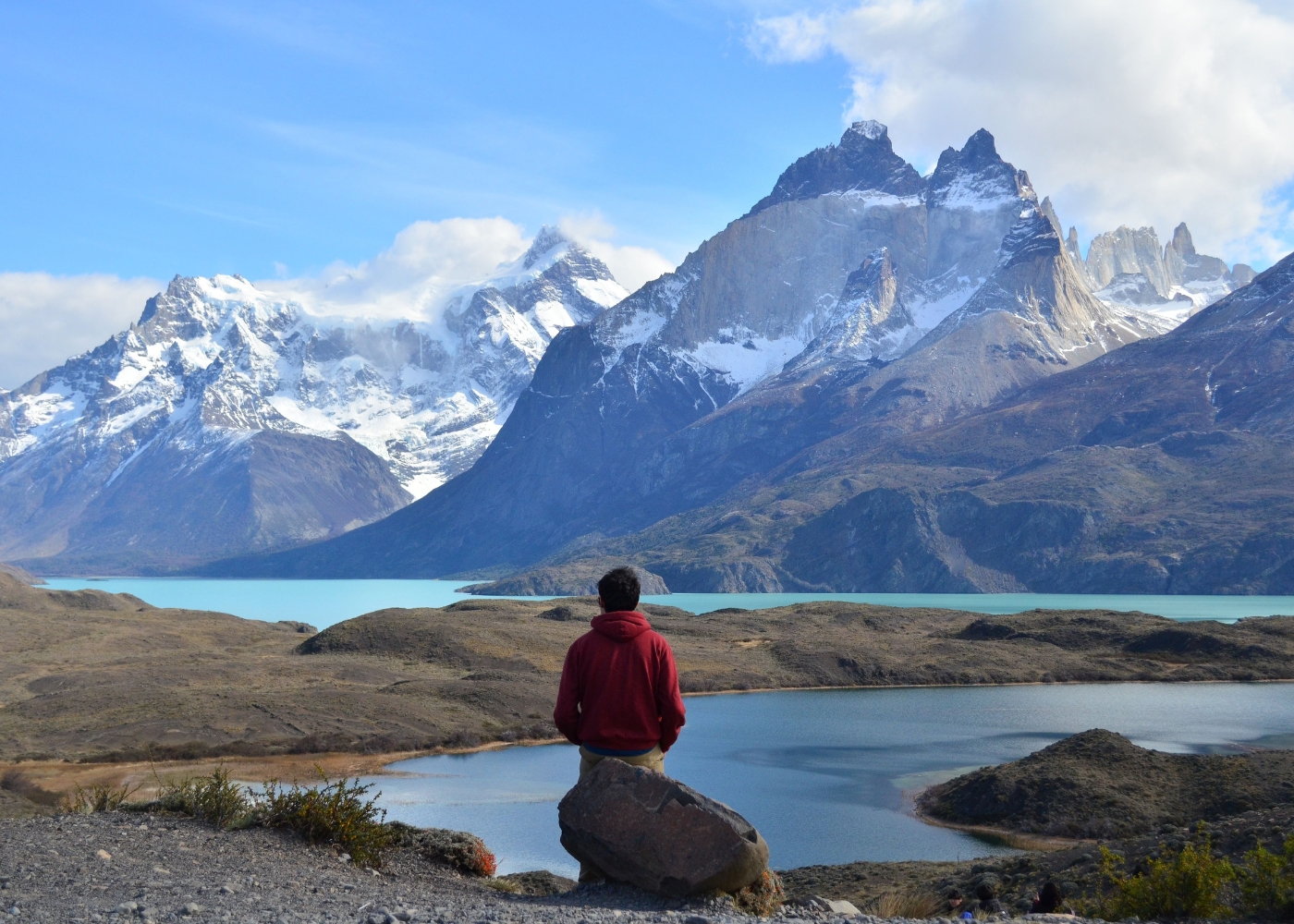
The second part of the trip is dedicated to Chilean Patagonia. Puerto Natales is the main base for exploring Torres del Paine, with day treks, scenic tours, boat trips and lodges.
With 5 or 6 days, you can experience the park with more margin, choosing between active excursions and scenic days. Patagonian weather is variable, so having some flexibility greatly improves the quality of the experience.
From Patagonia, it's advisable to return to Santiago with some margin before your international flight. A final technical overnight protects the trip from delays, weather conditions or tight connections.
If timing allows, the last day can be used for a special dinner or a short food-and-wine experience in the central region.
A starting outline to adapt to season, flights, budget and travel style.
With 15 days, the most balanced combination brings together Santiago, Valparaíso, the Atacama Desert and Chilean Patagonia with Torres del Paine. It's the most requested option for a first big trip, because it shows the country's two geographic and climatic extremes without sacrificing too much time in each area, while still leaving some margin.
With 15 days, Patagonia is generally the more sensible choice, since it can be reached by land or with direct domestic flights from the mainland. Rapa Nui (Easter Island) requires a dedicated flight and independent days, and fits better into a 20-day or longer itinerary, where it can be experienced without rushing.
Generally two: one heading north to reach Calama/San Pedro de Atacama, and one heading south to Punta Arenas or Puerto Natales. It's important to book them with margin and not squeeze them into already packed days, especially during high season when fares rise quickly.
With 10 days you can focus on Santiago and Atacama. With 20 days we'll add a third major region like Rapa Nui, the Lake District or the Carretera Austral.
Practical guides to help you choose when to go, what to see, and how to build the itinerary that's right for you.
No filters, no intermediaries — with local operators in Lima, Cusco and Arequipa