10 days
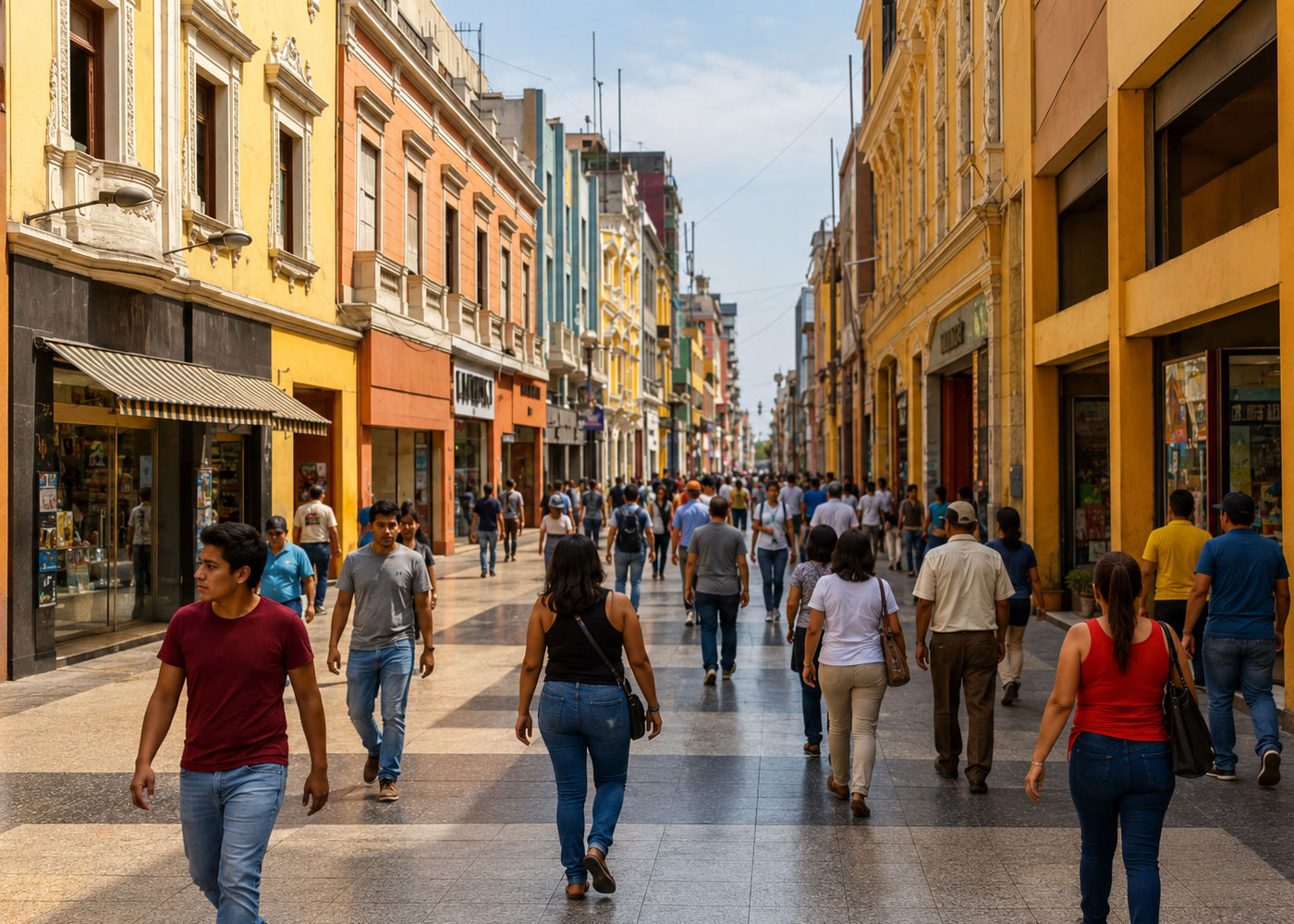
Lima, Arequipa and Colca. A compact itinerary with few areas is easier to control, limits transfers and lets you allocate more budget to experiences.


Flights, hotels, excursions and transfers: the main cost items for planning a trip to Peru with a realistic budget.
Travel local, live responsibly — no filters, no intermediaries
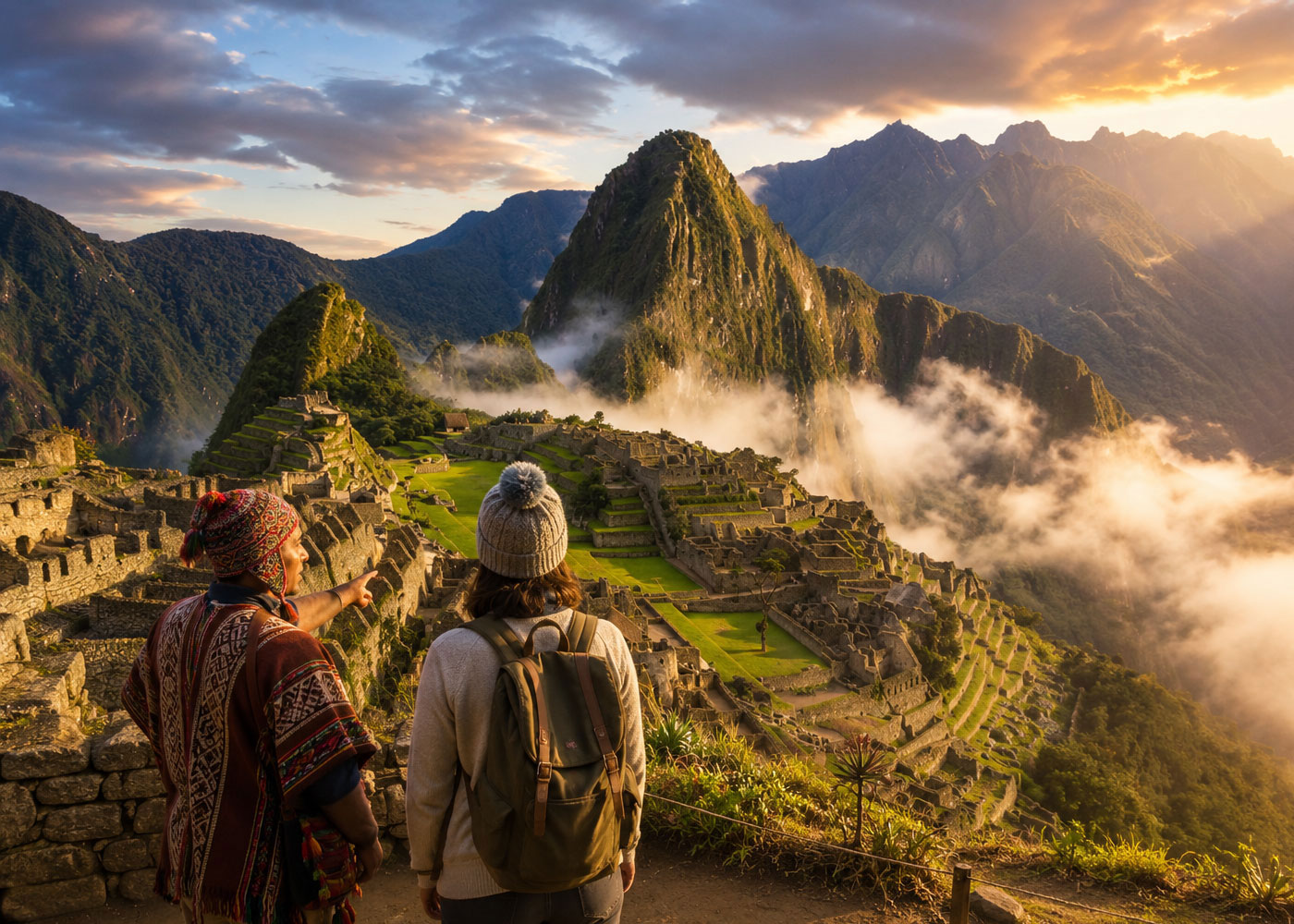
The main items are international flights, domestic flights, hotels, excursions, transfers, insurance, park entrance fees and meals. On a trip to Peru, it's often not the hotel itself that drives up the cost, but the combination of logistics, remote areas and specialized services.
International flights: the cost from Europe to Lima varies a lot depending on season, advance booking, layovers and departure airport. Domestic flights and connections: Peru's geography can make domestic flights, long-distance buses or private transfers useful, with an impact on the budget that depends on distances and the number of areas included.
Hotels and accommodation: the category matters a lot — cities and classic destinations offer more choice, while remote areas, lodges and boutique properties have more limited availability. Excursions and guides: private guides, entrance fees, trekking and specialized activities can become a significant expense, but they often add more value to the trip too.
Each length range corresponds to a different logistical complexity and budget. These are starting guidelines: the actual cost varies depending on the season, hotel category and travel style.
Lima, Arequipa and Colca. A compact itinerary with few areas is easier to control, limits transfers and lets you allocate more budget to experiences.
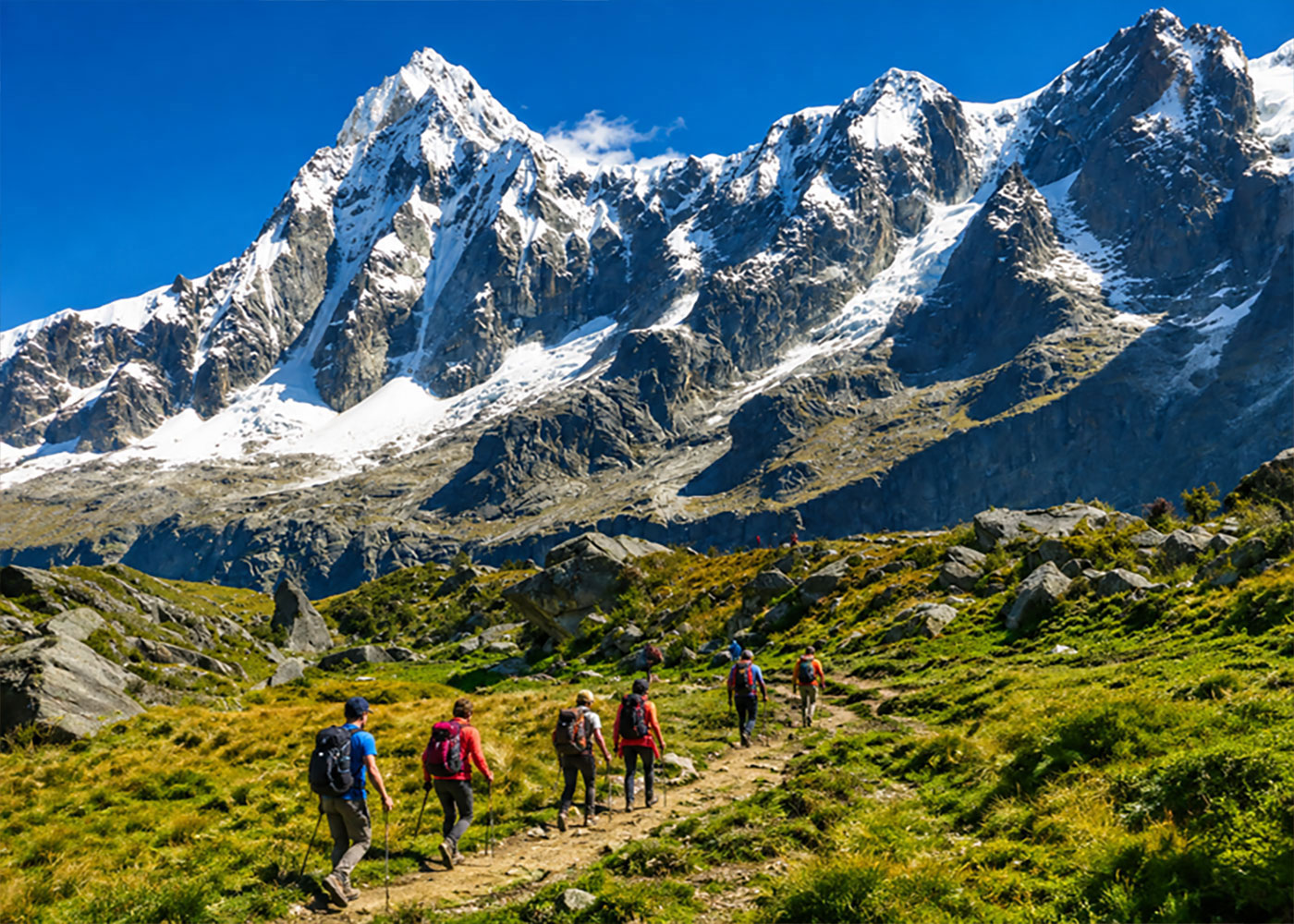
Arequipa and Colca, and the Cordillera Blanca. Combining two very different regions requires more connections and a larger budget, but delivers a more complete trip.
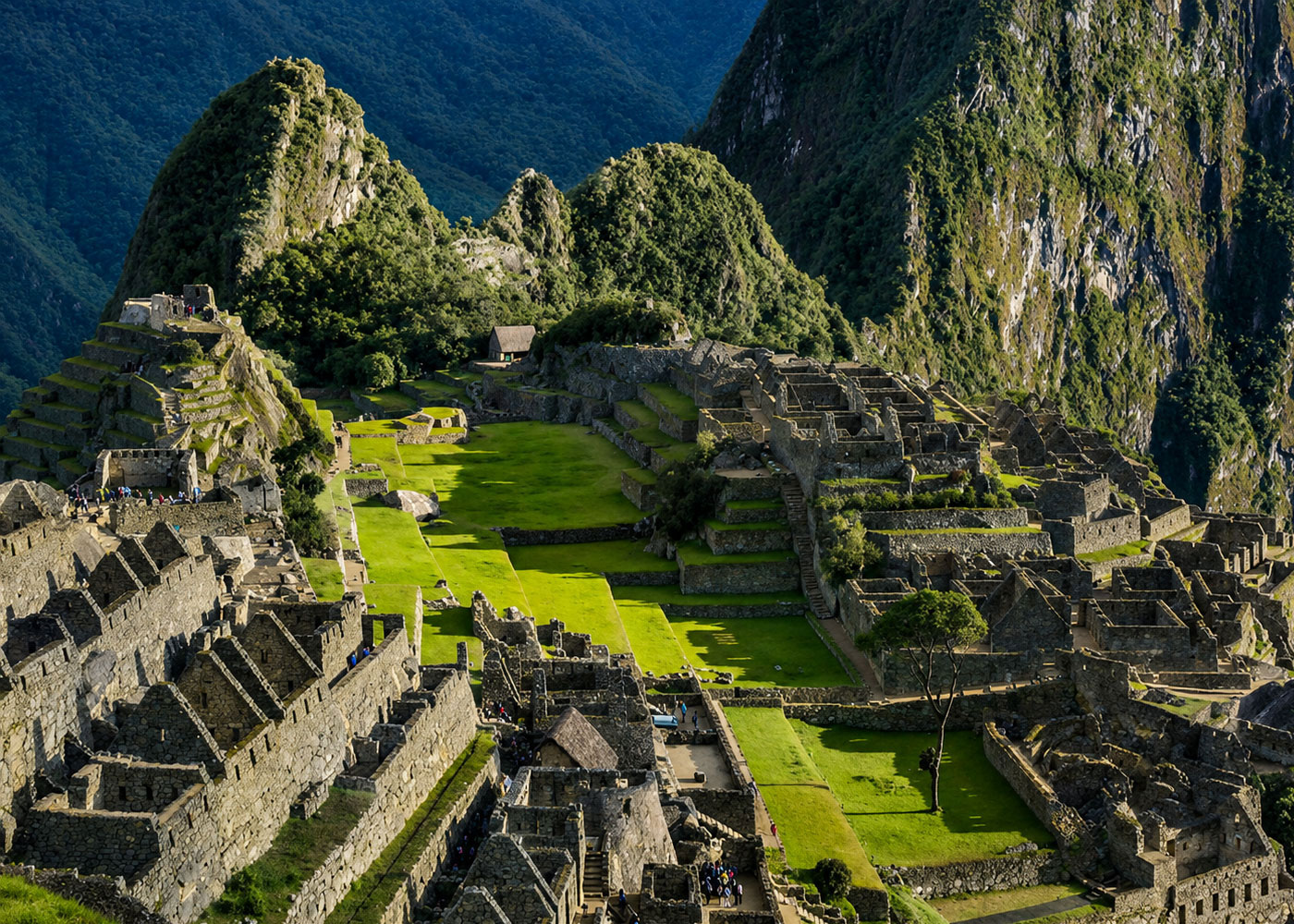
With Machu Picchu, Lake Titicaca or the Sacred Valley and Andean roads. The budget grows especially when flights, remote lodges or private services come into play.
In the main cities you'll find plenty of choice; in remote areas, parks and highly seasonal locations, availability can be more limited and prices higher.
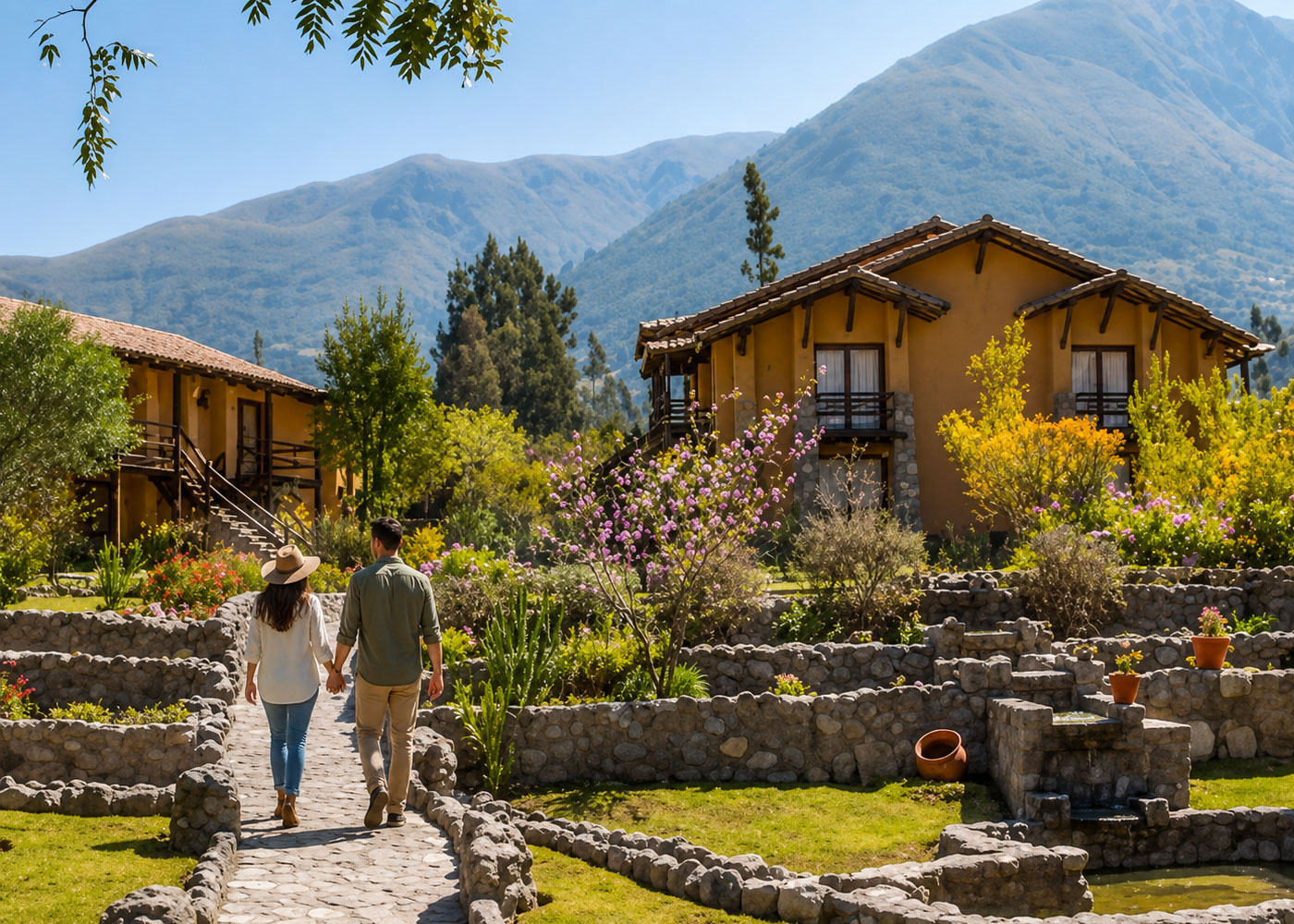
Consider location and included services: a slightly more expensive hotel can reduce transfers and dead time.
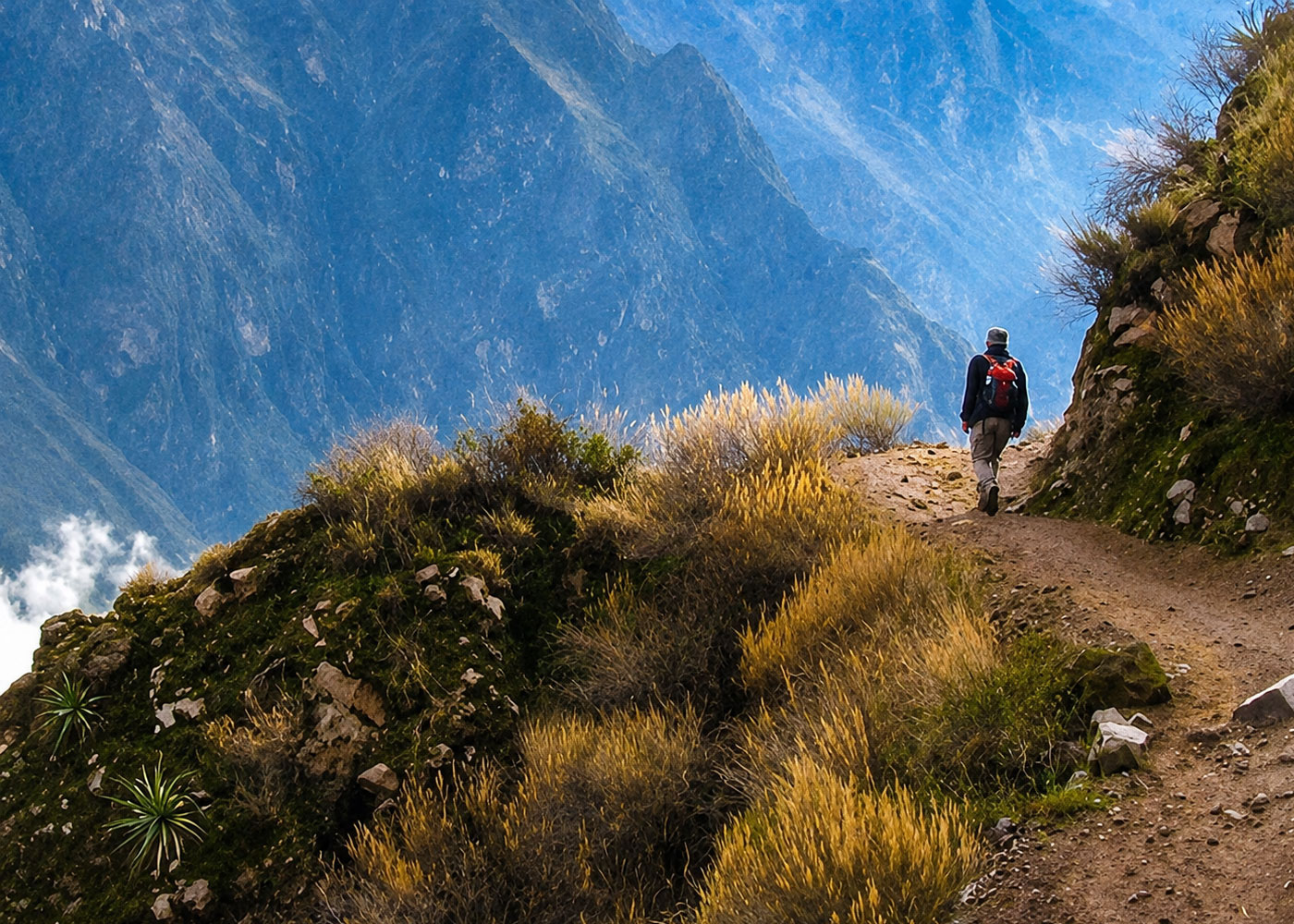
Private guides, entrance fees, special transport and nature-based activities can significantly affect the budget. But they're also the items that determine the quality of the most complex days.
Focus on the priority experiences and leave the days free where a guide doesn't add real value.
Ask for a tailor-made excursion quote →Reduce the number of regions, book the stops with limited availability well in advance, and choose carefully where to spend more.
Saving on the wrong logistics can cost time and create awkward overnight connections; it's often better to simplify the itinerary rather than compress every single item.
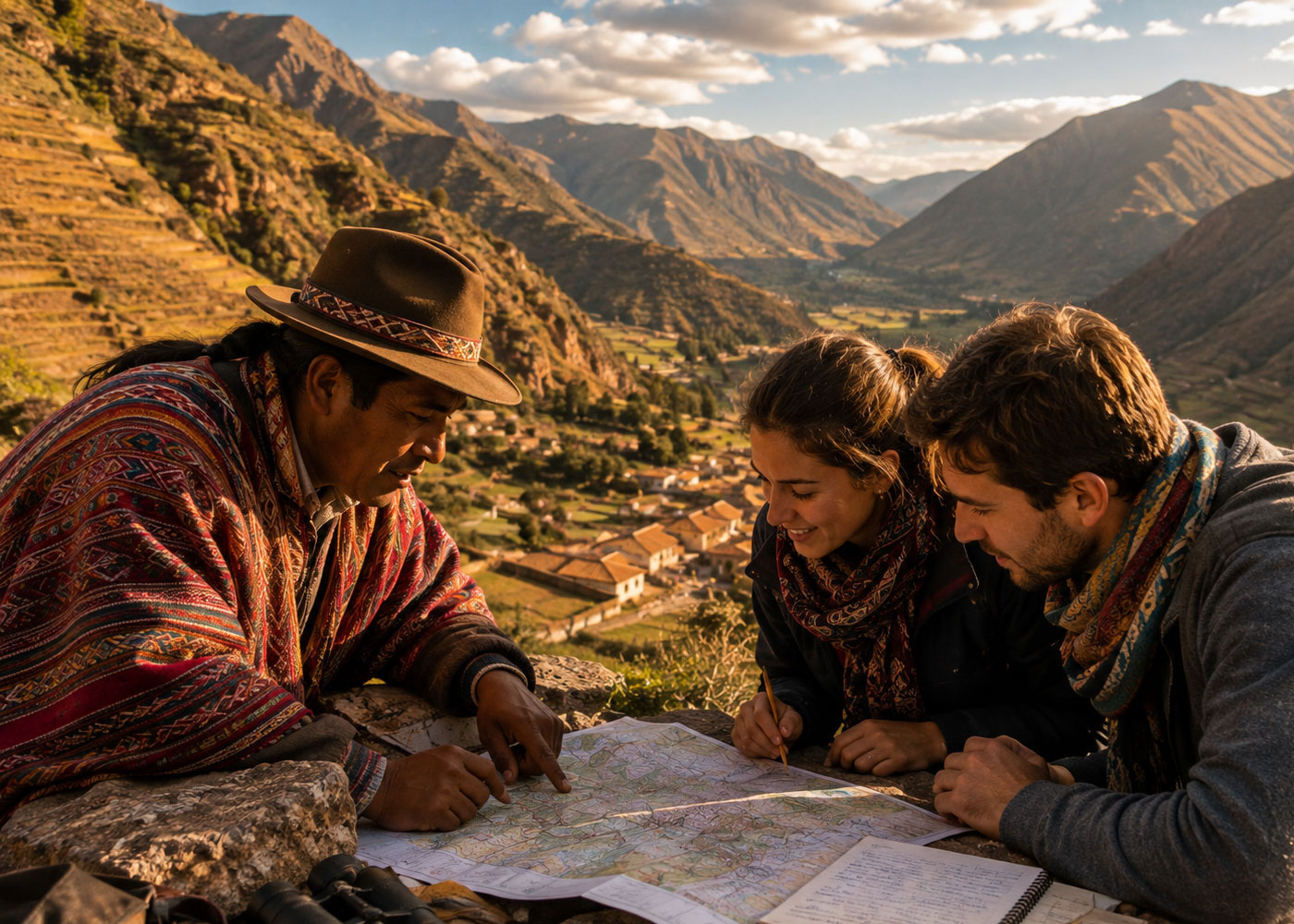
Tell us your dates, length and travel style: we'll prepare a proposal that matches your budget.
Request a personalized quoteIt depends on your travel style and the regions. Flights, remote lodges, private guides and specialized activities weigh much more than meals or everyday expenses in cities like Lima or Arequipa. Tickets for Machu Picchu and the train to get there are often a significant expense.
International and domestic flights, hotels, transfers, excursions, entrance fees and private services. Logistics grow quickly when you add many areas, each of which involves an extra domestic flight or transfer.
Reduce the number of stops, book the areas with limited availability early (Machu Picchu and the Cordillera Blanca above all), and invest mainly in the experiences that would be difficult to organize on your own, such as private guides or limited-access sites.
Practical guides to help you choose when to go, what to see, and how to build the itinerary that's right for you.
No filters, no intermediaries — with local operators in Lima, Cusco and Arequipa