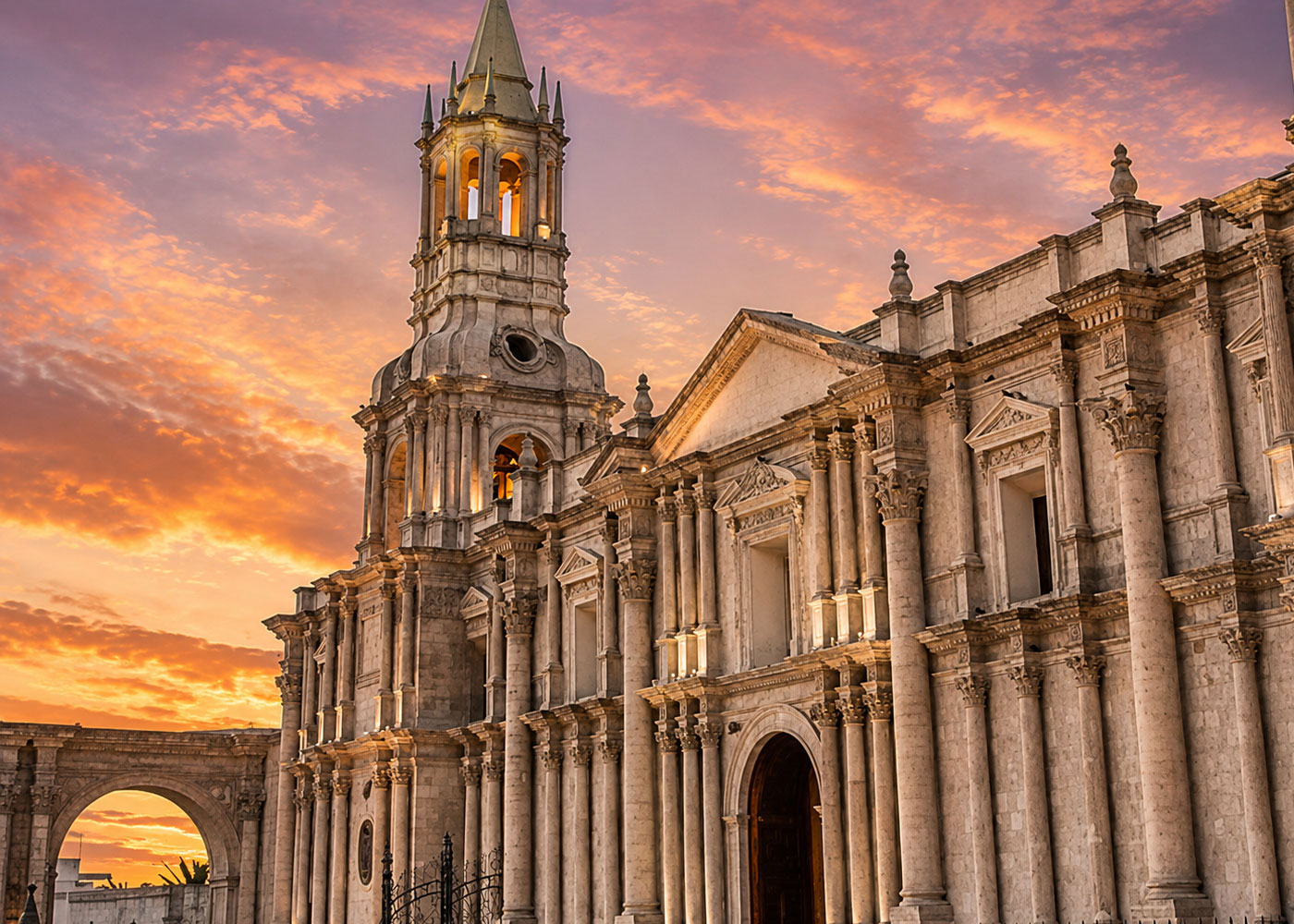
15 days — basic itinerary
Arequipa and Colca, and a photography-focused Cordillera Blanca. Bring backups, rain or dust protection and enough batteries: in remote areas it isn't always possible to quickly replace equipment.
Build your itinerary →

Arequipa and Colca, Cordillera Blanca, Machu Picchu and Lima: how to build a photography itinerary in Peru timed for the best light.
Travel local, live responsibly — no filters, no intermediaries
Peru offers very different contrasts between Arequipa and Colca, the Cordillera Blanca, Machu Picchu and cities like Lima and Arequipa. Good photography above all needs time: sunrises, sunsets and unplanned stops are part of the itinerary.
A good photography schedule reduces transfers during daylight hours and includes more nights in the key locations. Sunrises, sunsets, night skies and natural weather require patience and looser planning than a classic tourist itinerary.


Arequipa and Colca is the area to consider for open landscapes, geological detail and night skies. Light changes quickly, and the best days often start before sunrise or end after sunset.
At altitude, protect batteries and equipment from cold, dust or humidity and plan a pace compatible with acclimatization.
In the Cordillera Blanca, the photographic value comes from variability: clouds, wind, water, mountains or forest can change the character of the scene in a matter of minutes.
Leave room in the schedule and prefer more nights in the same area over constantly changing your base.
Discover Huascarán and the Cordillera Blanca →

Machu Picchu adds an iconic subject and a cultural dimension, while Arequipa lets you work with architecture, people, markets and street scenes.
For photographing people and communities, always ask permission and respect any restrictions at cultural or natural sites.
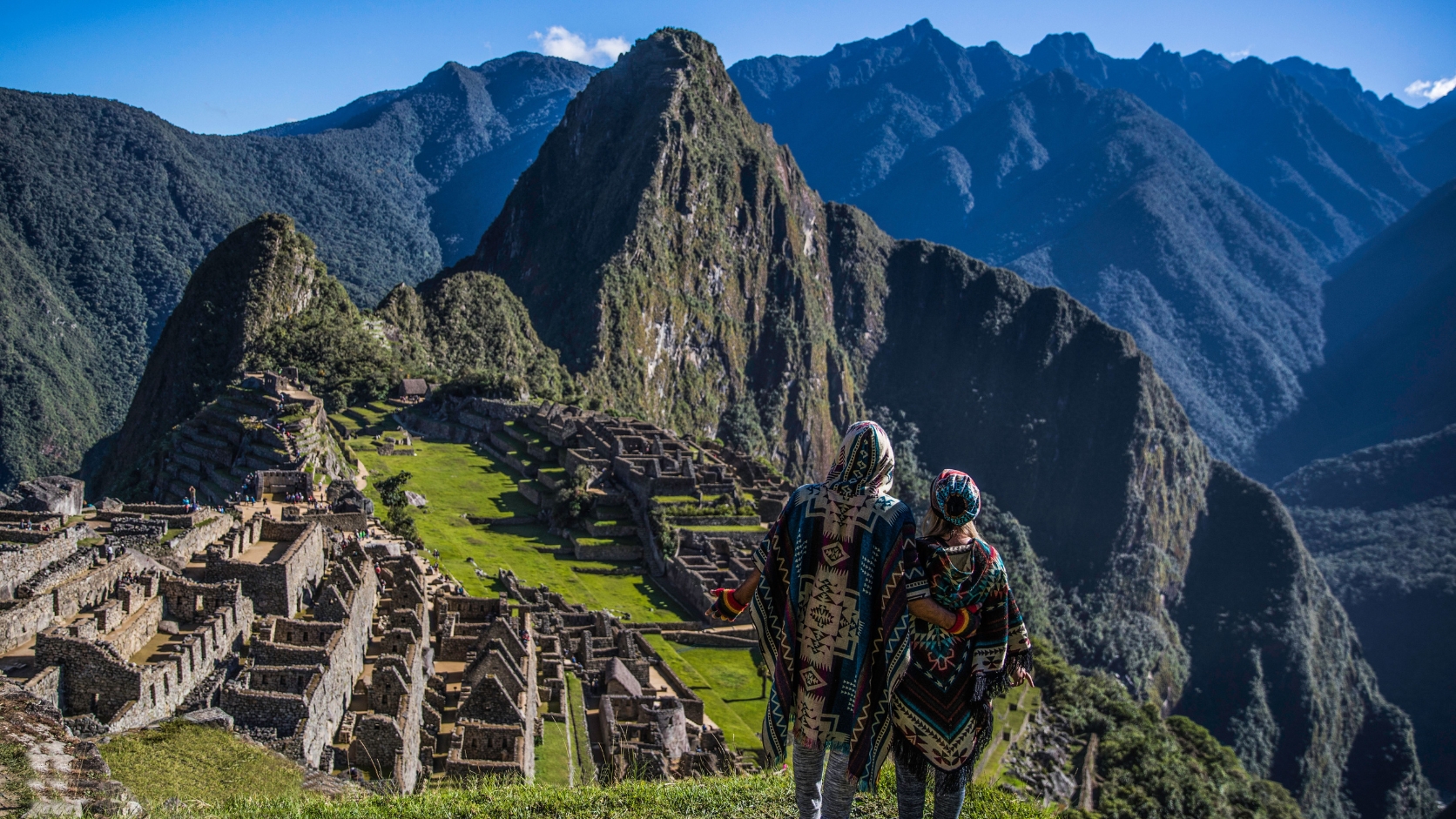
Discover Machu Picchu →Choose two or three areas, plan days with few activities and schedule transfers during the hours that are less interesting for light.
Arequipa and Colca, and a photography-focused Cordillera Blanca. Bring backups, rain or dust protection and enough batteries: in remote areas it isn't always possible to quickly replace equipment.
Build your itinerary →
Like the 15-day version, with the addition of Machu Picchu for cultural photography and iconic sites, or Arequipa for street art and architecture. Ideal for a more complete and varied photo essay.
Build your itinerary →We help you build an itinerary designed around light, landscapes, wildlife, starry skies and photographic pace.
Contact us for adviceArequipa and Colca, the Cordillera Blanca, Machu Picchu and the cities of Lima and Arequipa offer very different subjects for a photography trip in Peru: deep canyons, snow-capped Andean peaks, Inca ruins and colonial architecture. Each area calls for a different approach to light and shooting times.
It's best to allow more time than a classic itinerary: 12–18 days let you wait for the right light and reduce transfers during the best hours. At Machu Picchu, in particular, dawn often offers more striking light conditions than the middle of the day.
Use protection against rain, dust and temperature swings, bring enough batteries and backups, and don't count on being able to buy replacement parts in remote areas. In the Cordillera Blanca, cold at altitude drains batteries quickly: keep them close to your body to make them last longer.
Practical guides to help you choose when to go, what to see, and how to build the itinerary that's right for you.
No filters, no intermediaries — with local operators in Lima, Cusco and Arequipa