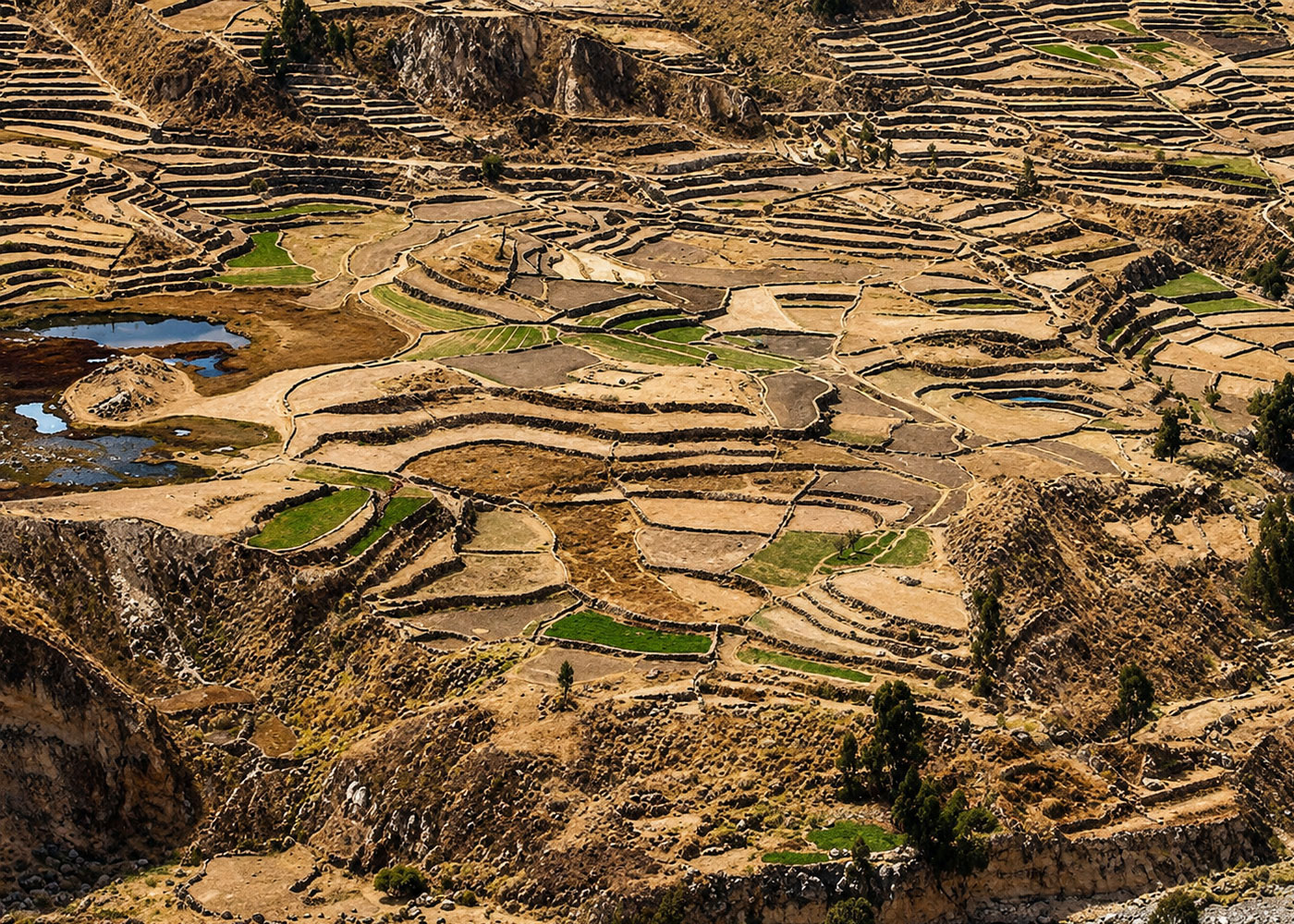
Arequipa and Colca Canyon
Can be visited year-round, but the climate requires attention: warm days and cold nights. The pace should be built up gradually to avoid fatigue during excursions.
Read the Arequipa and Colca guide →

Peru spans very different altitudes and climates: the right season depends on the regions you want to include in your trip. Here's how to find your way between the Andes, the coast and the Amazon.
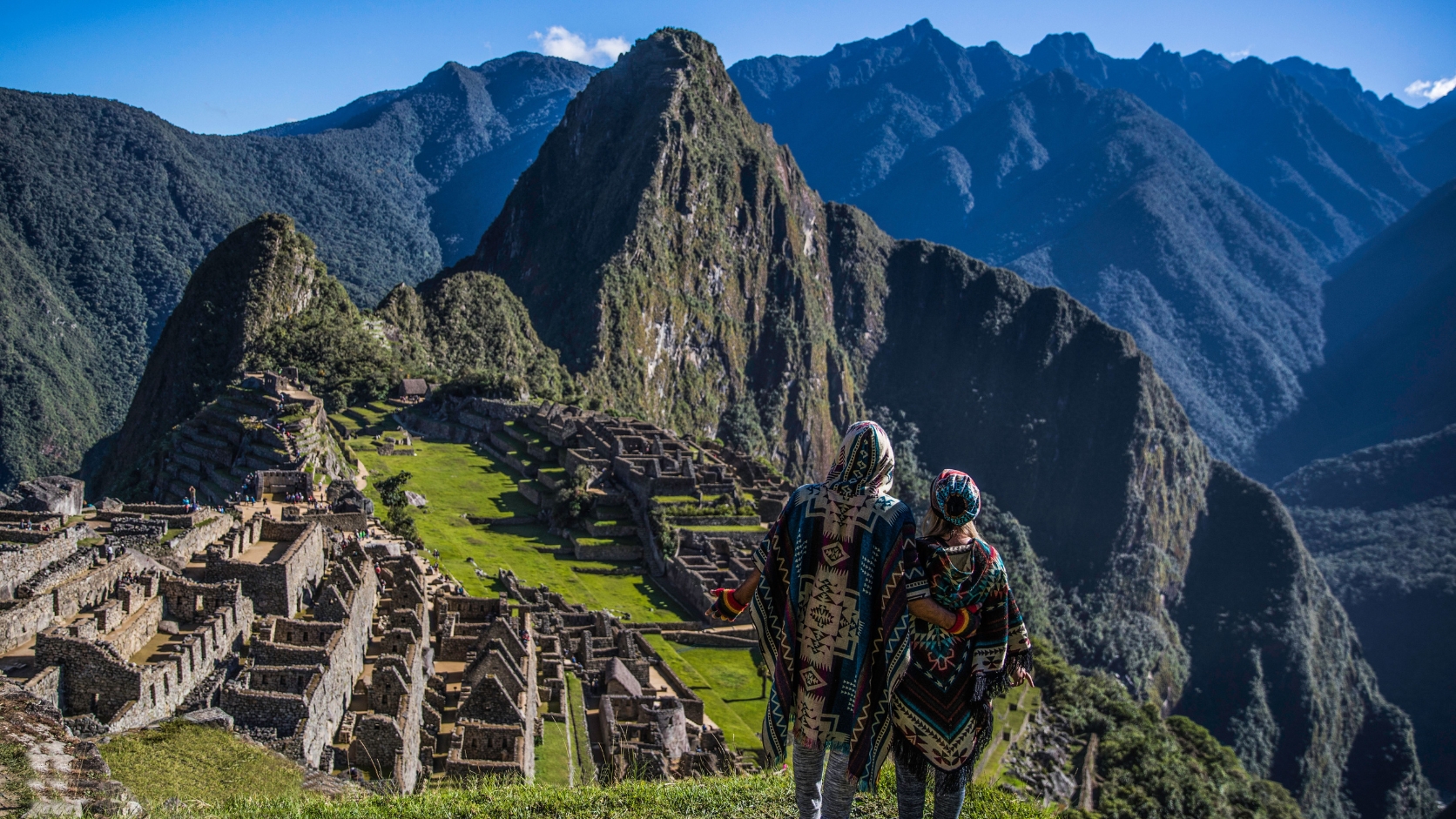
Travel local, live responsibly — no filters, no intermediaries
For a classic itinerary between the Andes and archaeological sites, the driest season runs roughly from May to September. April and October are excellent transition months. The coast has different dynamics, and the Amazon stays humid all year round.
If you plan to visit both the north and south of Peru on the same trip, it's best to schedule your travel during the intermediate seasons. Arequipa and the Colca Canyon can also be visited in winter, but you need to be prepared for colder nights at altitude.
Ask for the best month for your itinerary →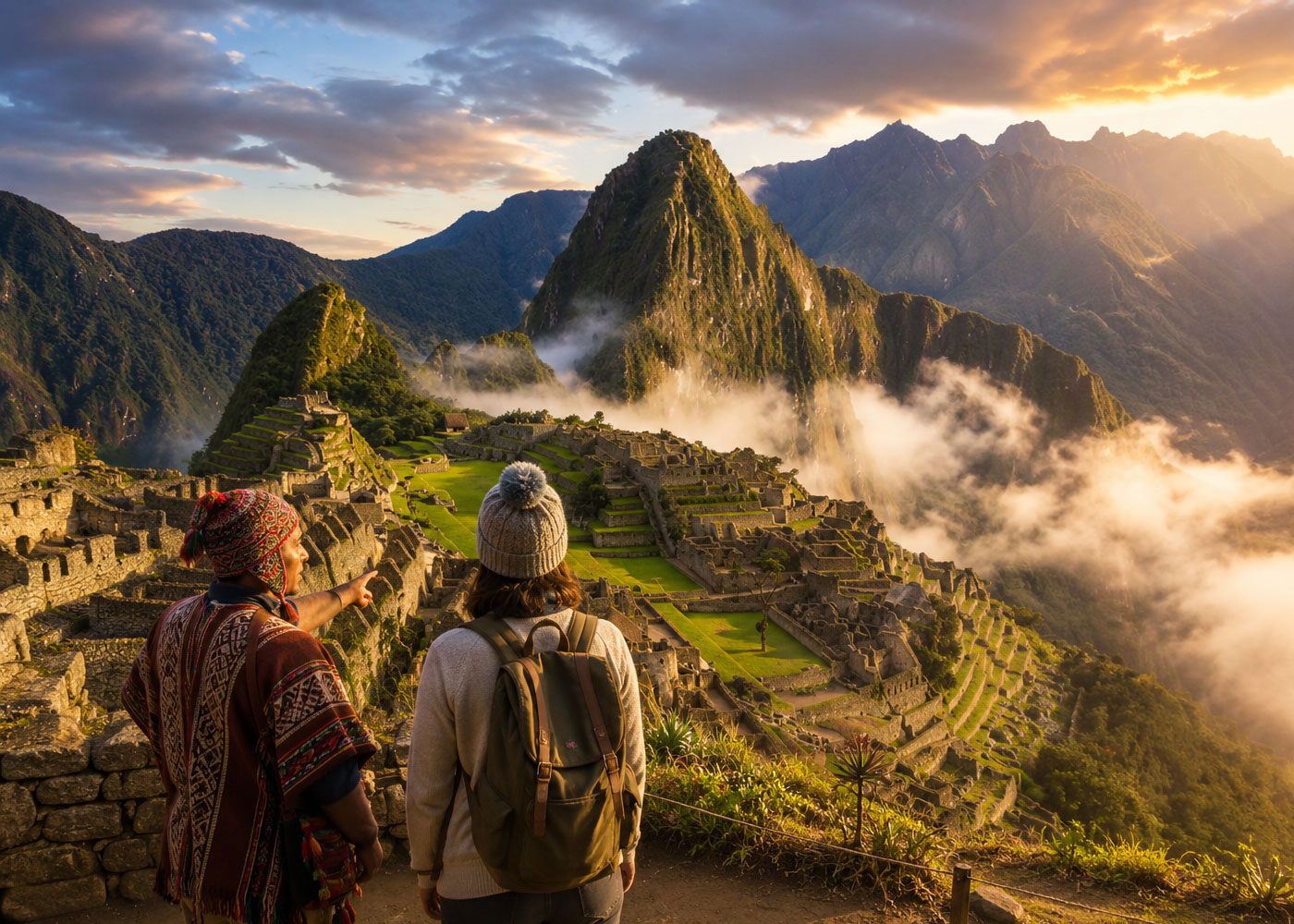
A quick overview to help you find your way: each month has different characteristics depending on the area. Use it as a starting point, not an absolute rule.
Each area has its own dynamics: seasonality, climate, logistics and service availability vary a lot from north to south.
Can be visited year-round, but the climate requires attention: warm days and cold nights. The pace should be built up gradually to avoid fatigue during excursions.
Read the Arequipa and Colca guide →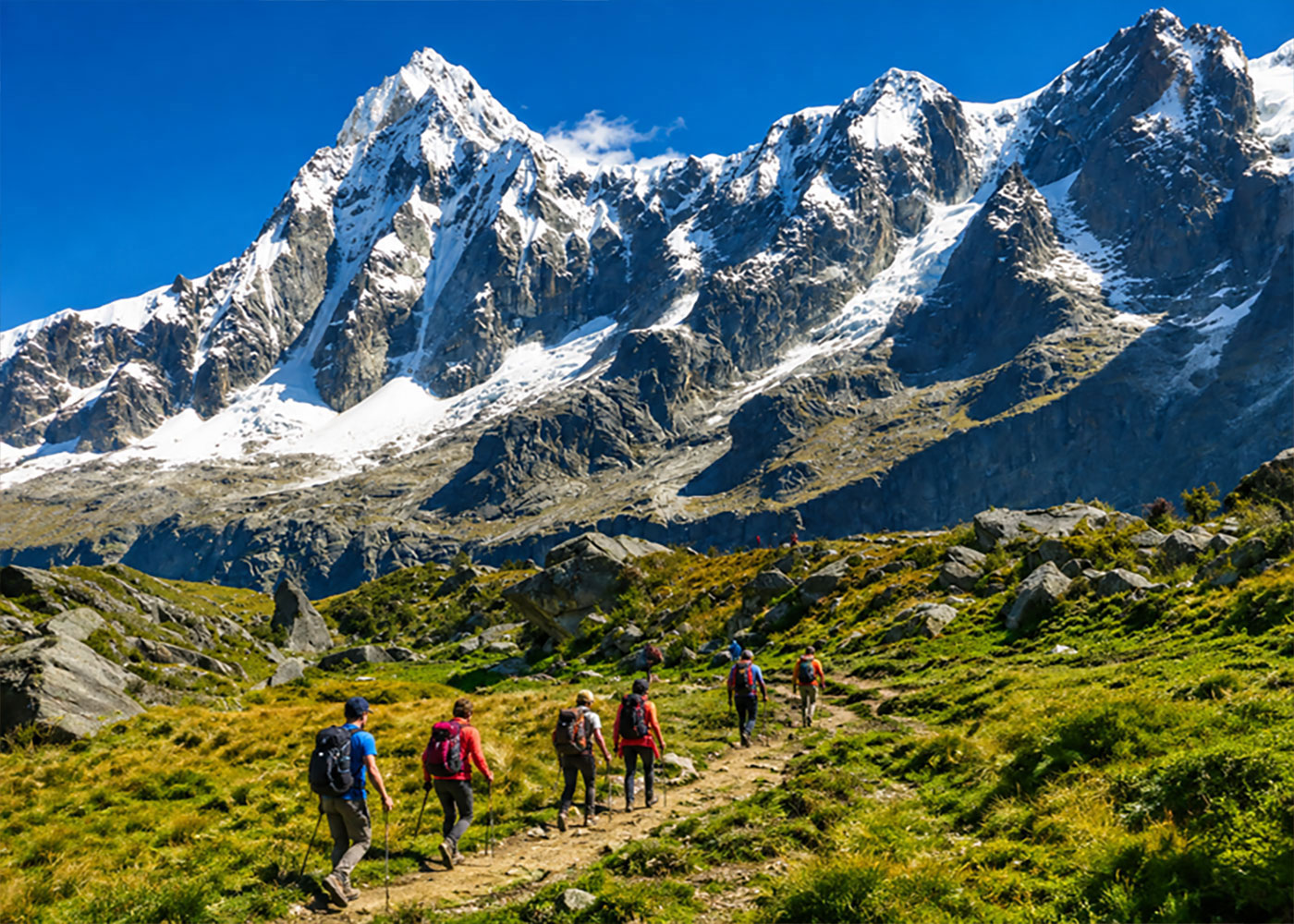
At its best between October and March. December, January and February are the most popular months for trekking, lodges and boat trips; March is often highly valued for its balance between climate and fewer crowds.
Learn more about the Cordillera Blanca →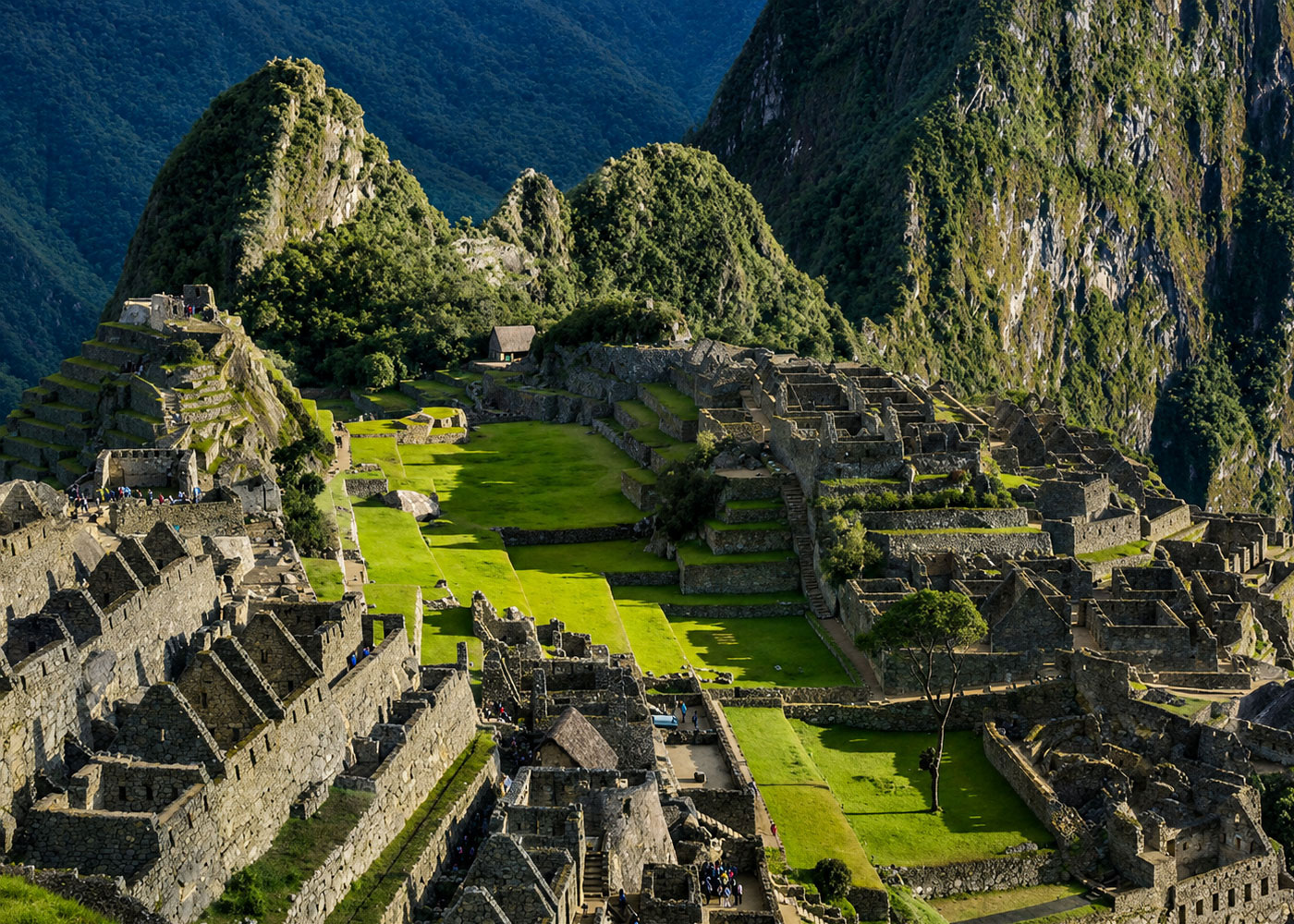
Can be visited year-round, but needs careful planning for flights, accommodation and site access. The key factor isn't just the season, but the availability of connections during peak demand periods.
Guide to Machu Picchu →Tell us when you want to leave: we'll help you build an itinerary that matches the climate, distances and availability.
Talk to an expertFor a classic itinerary between the Andes and archaeological sites, the driest season runs roughly from May to September. April and October are excellent transition months. The coast has different dynamics, and the Amazon stays humid all year round, with rainfall more evenly distributed across the months.
Not necessarily. High season often offers favorable conditions in the most sought-after areas, but requires booking further in advance and can mean higher prices, especially in Cusco and Machu Picchu, where tickets are limited.
No. Altitude, latitude, coast and rainforest create very different conditions in the same time of year: choose the best month for your trip to Peru based on the regions included in your itinerary, checking the specific forecast for each stop.
Practical guides to help you choose when to go, what to see, and how to build the itinerary that's right for you.
No filters, no intermediaries — with local operators in Lima, Cusco and Arequipa