

About a thousand kilometres off the coast of Ecuador, the Galápagos Islands represent one of the most extraordinary natural laboratories on the planet. It was precisely the observation of this archipelago's wildlife that, in 1835, inspired Charles Darwin's first insights into the theory of evolution.
Giant tortoises and marine iguanas
The archipelago's most iconic inhabitants are the giant tortoises, which can live for over 150 years and give the islands their name (galápago means tortoise in old Spanish). Equally extraordinary are the marine iguanas, the only lizards in the world capable of feeding in the sea, which dive to graze on algae along the rocky coastline.
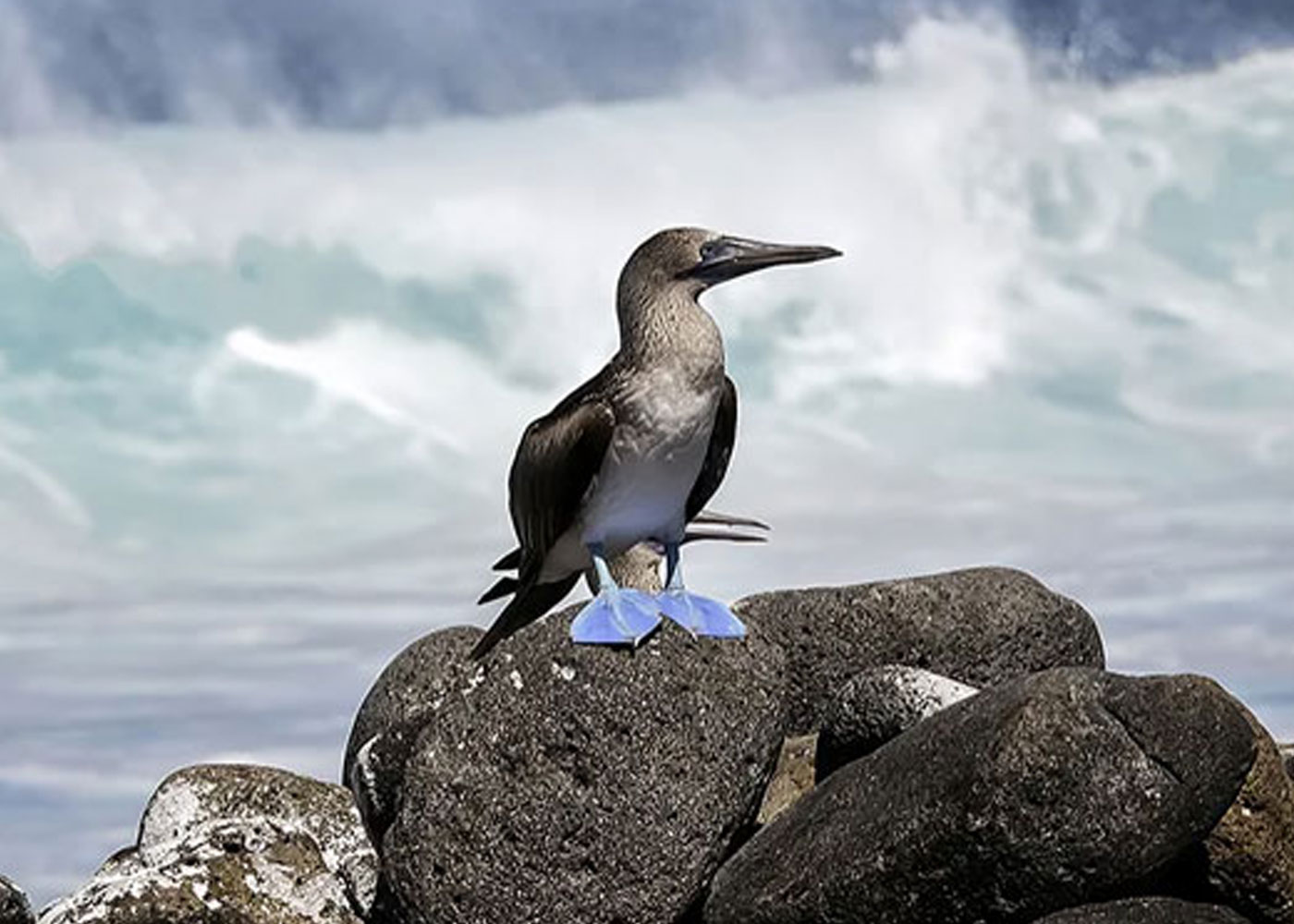
The islands are also home to blue-footed boobies, Galápagos penguins (the only penguin species found north of the equator), sea lions and a huge variety of birds, many found nowhere else on Earth.
A protected and regulated destination
Since 1978 a Unesco World Heritage Site, the Galápagos are subject to strict environmental regulations designed to protect this fragile ecosystem: the number of daily visitors to each site is limited, licensed guides are mandatory, and it's forbidden to bring in foreign plants or animals. Most visits are organised aboard small cruise ships that move between the islands overnight, or from a land base such as Santa Cruz or San Cristóbal.